Monkeys Navigate Virtual Worlds Using Only Their Thoughts
Three monkeys successfully walked through virtual reality environments controlled entirely by their brain signals, bringing new hope for paralyzed patients. This breakthrough could help people explore virtual worlds or control wheelchairs more naturally.
Imagine controlling a wheelchair or exploring a virtual landscape using nothing but your thoughts. Scientists just took a major step toward making that possible.
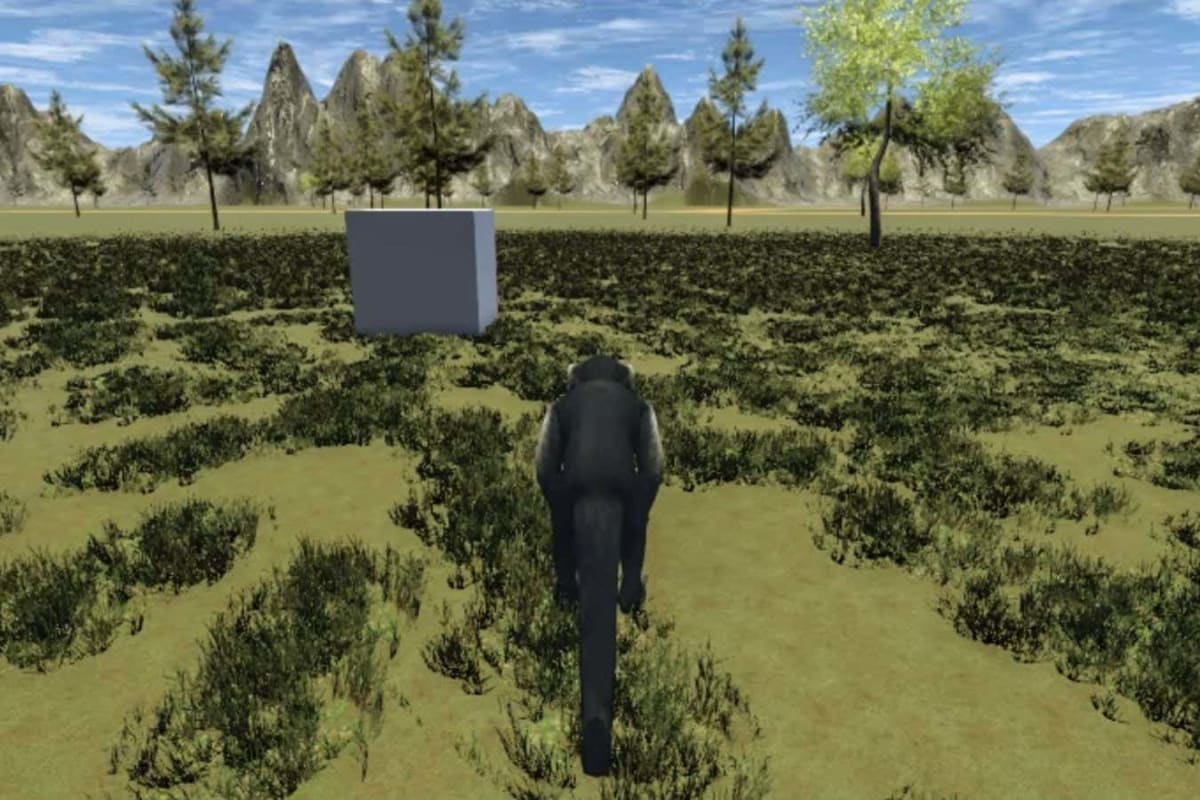
Three rhesus macaque monkeys at KU Leuven in Belgium successfully navigated virtual reality worlds using only their brain signals. The animals wore brain-computer interfaces that translated their thoughts into movement through VR environments displayed on 3D monitors.
What makes this experiment special is how the researchers approached the problem. Lead researcher Peter Janssen and his team implanted three sets of electrodes in each monkey's brain, with 96 electrodes per implant. They targeted not just the brain region controlling physical movement, but also two areas involved in planning movement at a higher level.
This smarter approach allowed the monkeys to control their virtual avatars more intuitively. An AI model interpreted the electrical signals from all three brain regions and translated them into smooth navigation through different virtual environments.
The technology worked so well that the monkeys could explore various digital landscapes naturally. They weren't just twitching through virtual space but actually walking around as if the movements were their own.
The Ripple Effect
This research opens doors for people living with paralysis. The same technology could eventually help someone in a wheelchair navigate their home more intuitively, responding to their intentions rather than physical controls. Electric wheelchairs currently require hand or mouth controls, but brain-computer interfaces could make movement feel more natural and effortless.
The virtual reality applications matter too. As digital worlds become more common for work, socializing, and therapy, people with mobility challenges deserve full access. This research shows that brain-controlled navigation can work smoothly enough for real-world use.
The key insight was targeting those higher-level planning regions in the brain. Previous brain-computer interfaces focused mainly on the primary motor cortex, which controls direct physical movement. By tapping into where the brain plans movement more abstractly, the researchers created a more seamless connection between thought and action.
Clinical trials for human applications could follow as the technology develops, bringing independence to people who've lost the ability to move on their own.
More Images




Based on reporting by New Scientist
This story was written by BrightWire based on verified news reports.
Spread the positivity!
Share this good news with someone who needs it