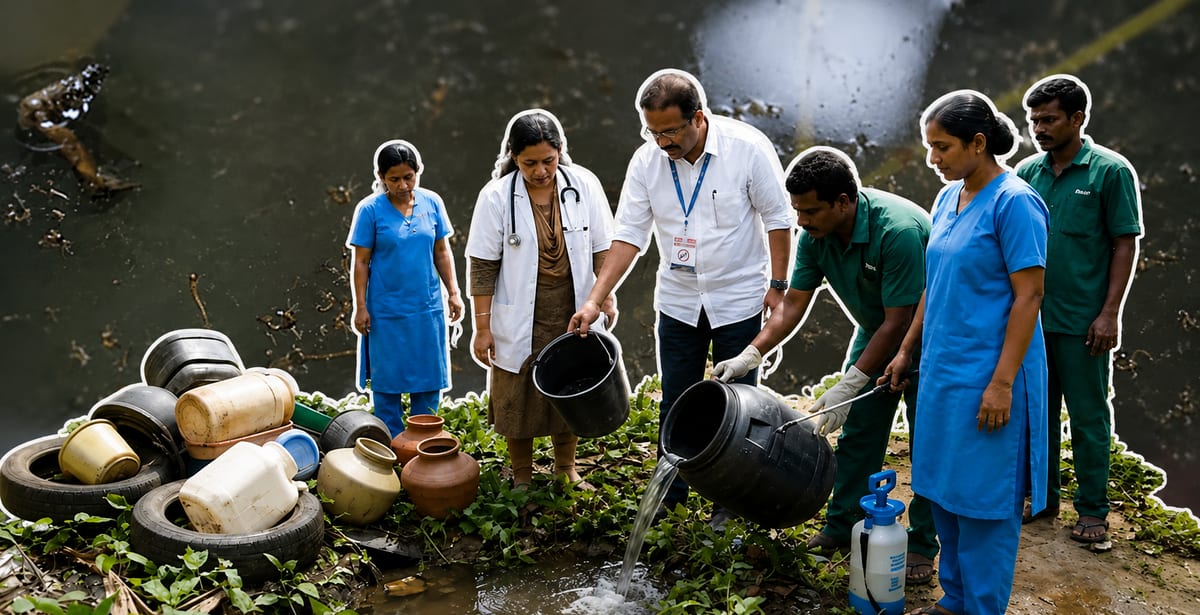
Monterrey Students Remove 21 Tons of Trash From Waterway
Students and researchers in Monterrey have pulled 21 tons of waste from a polluted stream and are building a model that could help solve Mexico's illegal dumping crisis. The project combines cleanup crews, smart technology, and community power to restore a 13-kilometer waterway.
A trash-choked stream in Monterrey is becoming a blueprint for how Mexican cities can fight back against illegal dumping.
The Arroyo Vivo initiative tackles the Arroyo Seco-San Agustín, a 13-kilometer waterway that flows from the mountains through Monterrey before joining the La Silla River. For years, sections of the stream served as illegal dumping grounds, collecting everything from plastic bottles to construction debris.
Since late 2022, students and researchers from Tecnológico de Monterrey have organized 16 cleanup days that removed 21 tons of waste. Their data reveals that plastics make up more than 70% of the trash, with textiles, tires and construction rubble filling out the rest.
But the team isn't just cleaning. They're creating a system that other cities can copy.
The project uses algorithms to analyze street-level images and photos submitted by residents, helping identify waste hotspots and estimate volume along the stream. This data-driven approach means cleanup efforts go where they're needed most.
The restoration plan includes creating a biological corridor along the waterway. This green space would benefit wildlife while giving nearby residents a natural area to enjoy. A cleaner stream also means less pollution flowing downstream and reduced flooding risks during heavy rains.
Researcher Nélida Escobedo calls it "a platform with a long-term vision." The team is developing three, five and 10-year plans, knowing that full ecosystem restoration could take decades.
The Ripple Effect
Mexico's illegal dumping problem stretches far beyond Monterrey. Mexico City officials counted 889 illegal dumps in February alone, with nearly half concentrated in just three boroughs.
Nationally, the challenge is even bigger in rural areas. While 90% of metropolitan areas use sanitary landfills or controlled disposal sites, only 4.5% of rural and semi-urban communities have access to proper waste management, according to Mexico's Environment Ministry.
That gap makes the Monterrey model especially valuable. If a replicable system works in one city, it could spread to communities across Mexico that desperately need waste solutions.
The project proves that combining student energy, scientific research and community participation can tackle problems that seem overwhelming. Twenty-one tons of trash removed is just the beginning.
Based on reporting by Mexico News Daily
This story was written by BrightWire based on verified news reports.
Spread the positivity!
Share this good news with someone who needs it