Moon and Pleiades Share Sky Tonight in Rare Close Pass
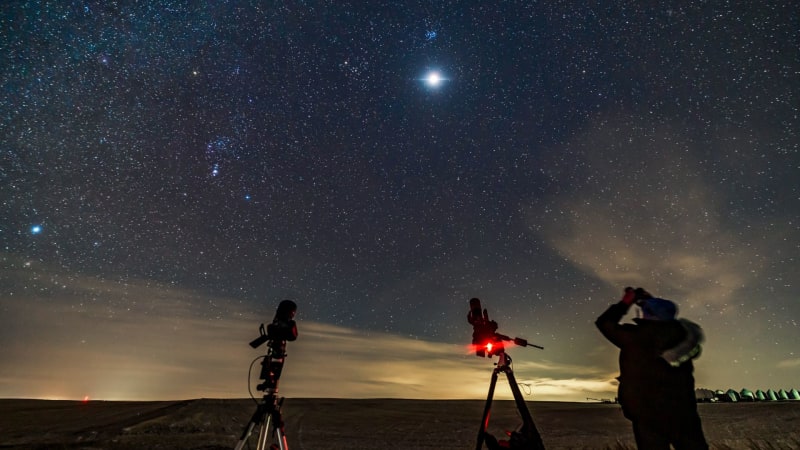
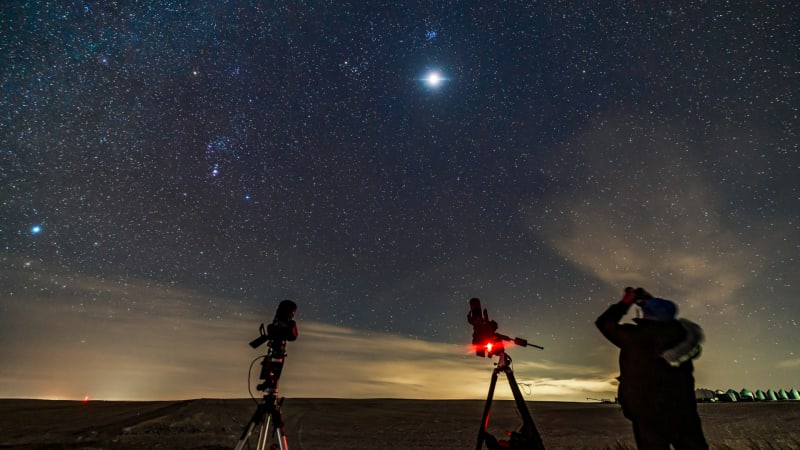
Tonight's half-lit moon will dance within five degrees of the stunning Pleiades star cluster, close enough to view together through binoculars. The cosmic pairing offers a perfect chance to explore both ancient stars and lunar landscapes in one breathtaking view.
Look up tonight and you'll catch the moon cozying up to one of the night sky's most beautiful star clusters in a view that fits perfectly through binoculars.
The waxing gibbous moon will glow just five degrees from the Pleiades star cluster tonight (Feb. 23), creating a stunning celestial pairing visible to stargazers across the Northern Hemisphere. That's roughly the width of three fingers held at arm's length.
The Pleiades, also called the Seven Sisters, shines with blue-white light in the constellation Taurus. Its seven brightest stars bear the names of Atlas's daughters from Greek mythology: Asterope, Alcyone, Electra, Celaeno, Merope, Maia, and Taygete.
Through binoculars, the cluster resembles a miniature Big Dipper surrounded by dozens of fainter stars and the soft glow of a reflection nebula. A telescope reveals even more of the cluster's thousand stars, born together millions of years ago.
After admiring the Pleiades, swing your view to the moon's surface for equally spectacular sights. The dark expanse of Mare Serenitatis (the Sea of Serenity) will sit near the line between light and shadow, marking where ancient lava flows reshaped the lunar surface billions of years ago.
Just below it lies Mare Tranquilitatis, the Sea of Tranquility, where Neil Armstrong and Buzz Aldrin took humanity's first steps on another world in 1969. The shadowed craters along the terminator showcase dramatic peaks and overlapping rims, frozen reminders of violent impacts that shaped our nearest neighbor.
The moon will appear to advance on the Pleiades throughout the night, skimming through its rightmost stars before setting after midnight for viewers in the eastern United States. Exact times vary by location, so check a moonrise calculator for your area.
Why This Inspires
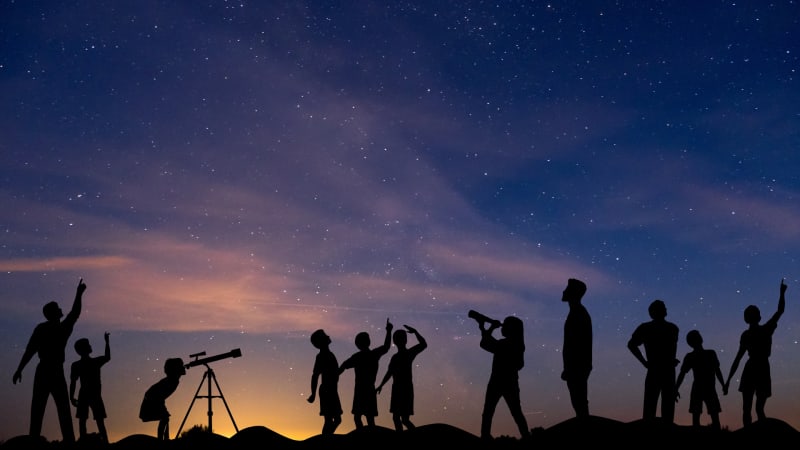
This celestial meeting reminds us that wonder lives just overhead, accessible to anyone willing to look up. You don't need expensive equipment to experience the same stars ancient Greeks named or walk visually across the moon's historic landing sites. Tonight's pairing offers both beginners and seasoned stargazers a chance to connect with cosmos and history in a single, unforgettable view.
The universe keeps delivering free shows worth celebrating.
More Images
Based on reporting by Space.com
This story was written by BrightWire based on verified news reports.
Spread the positivity!
Share this good news with someone who needs it