Moon Crater Bigger Than Colosseum Found After 2 Years
NASA scientists just discovered a football field-sized crater on the moon from a 2024 impact that went unnoticed for months. This rare cosmic collision happens just once every 132 years and is giving researchers crucial insights for building the first lunar base.
Scientists just found something massive on the moon that's been hiding in plain sight for two years.
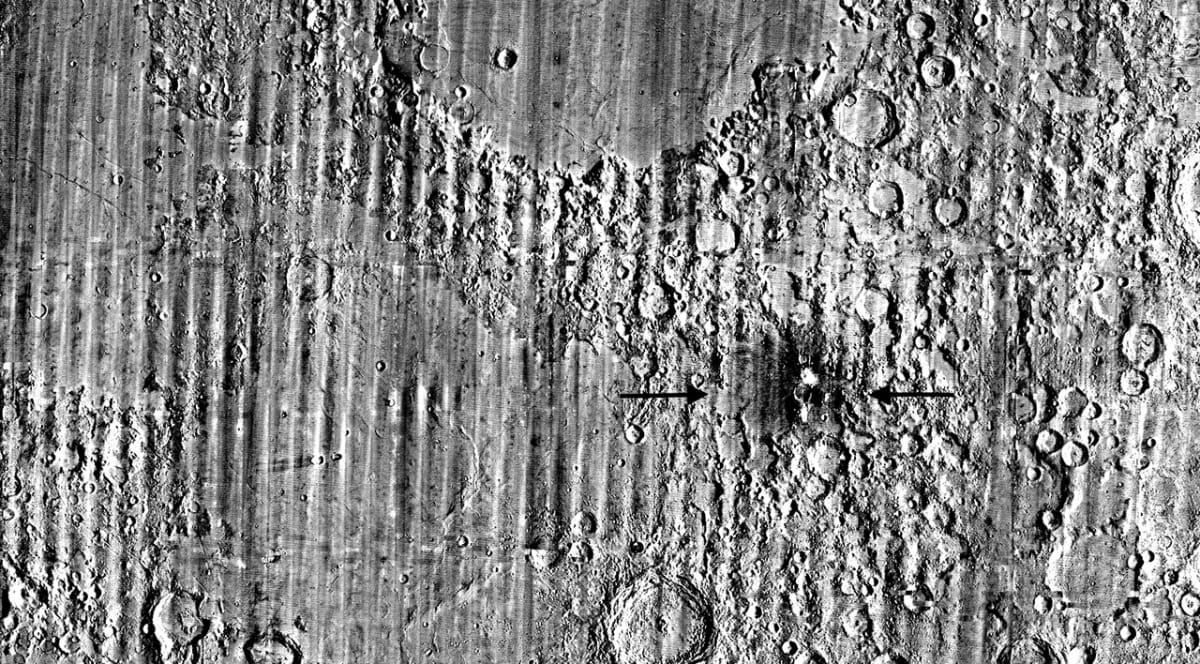
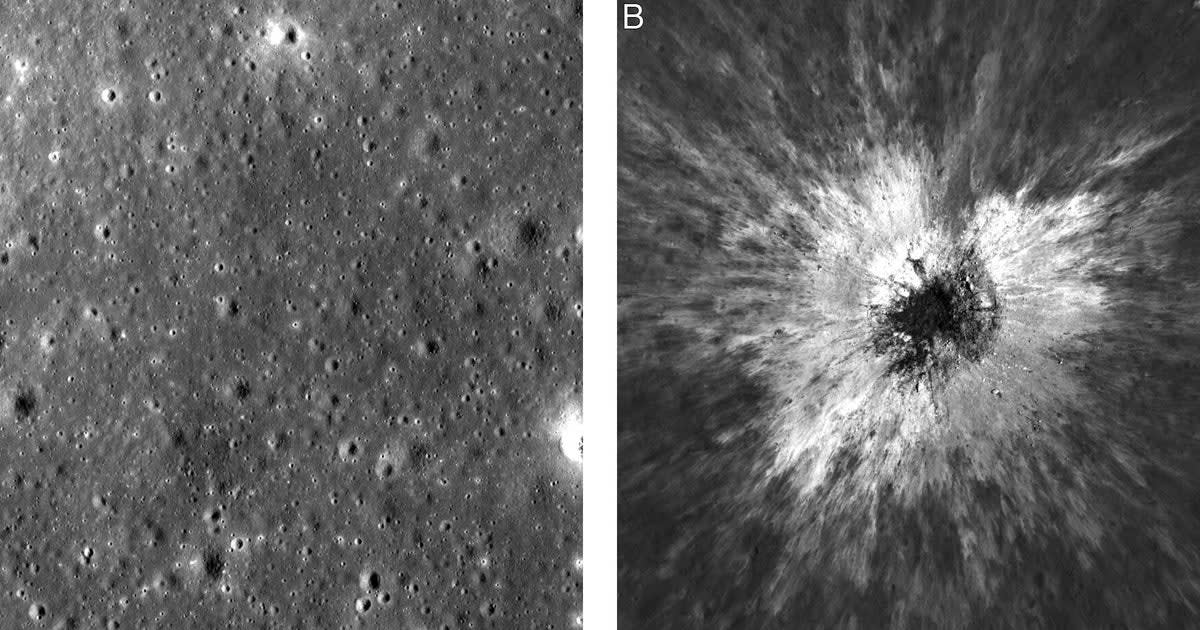
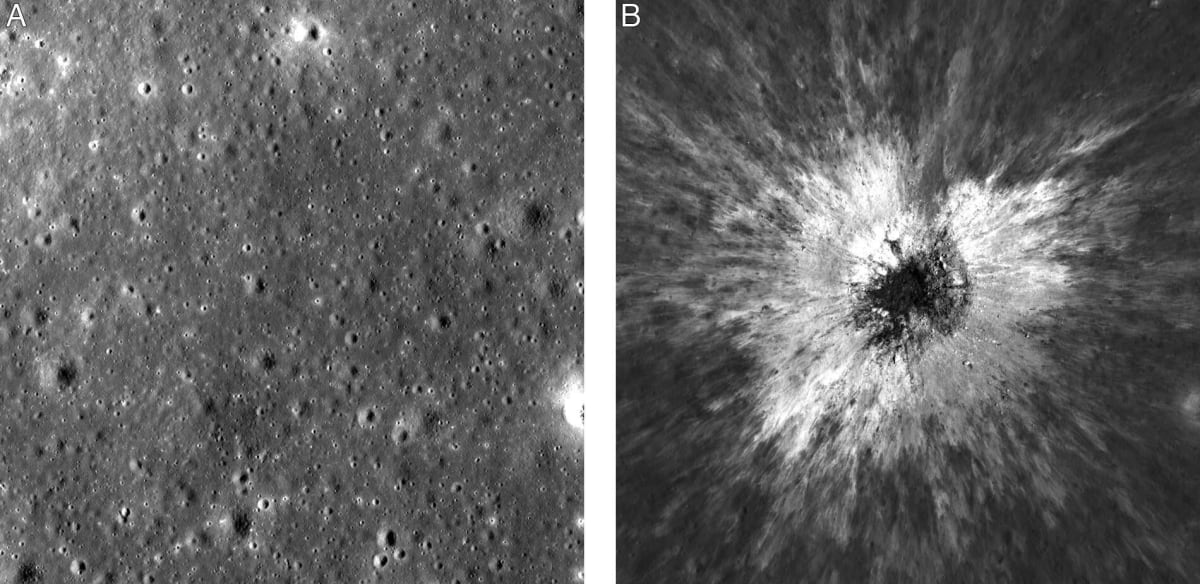
NASA's Lunar Reconnaissance Orbiter spotted a crater stretching 728 feet across on the moon's surface. That's twice the length of a football field and up to 141 feet deep. The discovery makes it the biggest known impact crater carved out in recent times anywhere in our solar system.
Here's what makes this discovery remarkable: the impact happened sometime between April and May 2024 when an asteroid or comet fragment the size of a six-story building slammed into the lunar surface. No telescope on Earth or in space caught it happening. The crater only showed up in satellite images months later when researchers were reviewing data in August 2025.
Scientists estimate this size of lunar impact only occurs once every 132 years. The team named the crater after Thomas McGetchin, former director of Houston's Lunar and Planetary Institute.
The collision did more than punch a hole in the moon's surface. It churned up lunar soil across a 66-mile radius, sending dust and rocky material flying at angles higher than scientists expected. Researchers discovered a 4-mile-wide cold spot around the crater where the impact loosened the topsoil like a cosmic gardening tool.
The Bright Side
This accidental discovery is arriving at the perfect time. NASA is preparing to build its first permanent base on the moon, and understanding these impacts is crucial for keeping astronauts safe.
Mark Robinson, lead scientist for the orbiter's cameras, explains that the spacecraft's discoveries show the moon's surface gets overturned much faster than previously thought. The top inch of lunar soil gets completely churned every 80,000 years from ejected crater material. That means those iconic Apollo footprints won't last forever after all.
The research team is now calculating the risk of flying debris from future impacts striking NASA's planned moon base. "That information will help engineers harden structures so one won't have to worry about damage, or maybe worry less," Robinson said.
The findings appeared in two studies published in Science Advances this week. The discovery demonstrates that even after orbiting the moon since 2009, the Lunar Reconnaissance Orbiter keeps finding surprises that help scientists better understand our closest cosmic neighbor.
This once-in-a-lifetime event is giving researchers exactly the data they need to prepare for humanity's return to the moon.
More Images
Based on reporting by Google News - Science
This story was written by BrightWire based on verified news reports.
Spread the positivity!
Share this good news with someone who needs it