Moon Mining by 2030: Iowa Firm Builds Lunar Excavator
An Iowa equipment company just built a full-scale electric excavator designed to mine helium on the Moon within five years. The breakthrough could solve Earth's critical helium shortage while building infrastructure for permanent lunar settlements.
Earth is running out of helium, the invisible element that powers everything from smartphones to medical scanners, and one American company thinks the answer lies 238,000 miles away on the Moon.
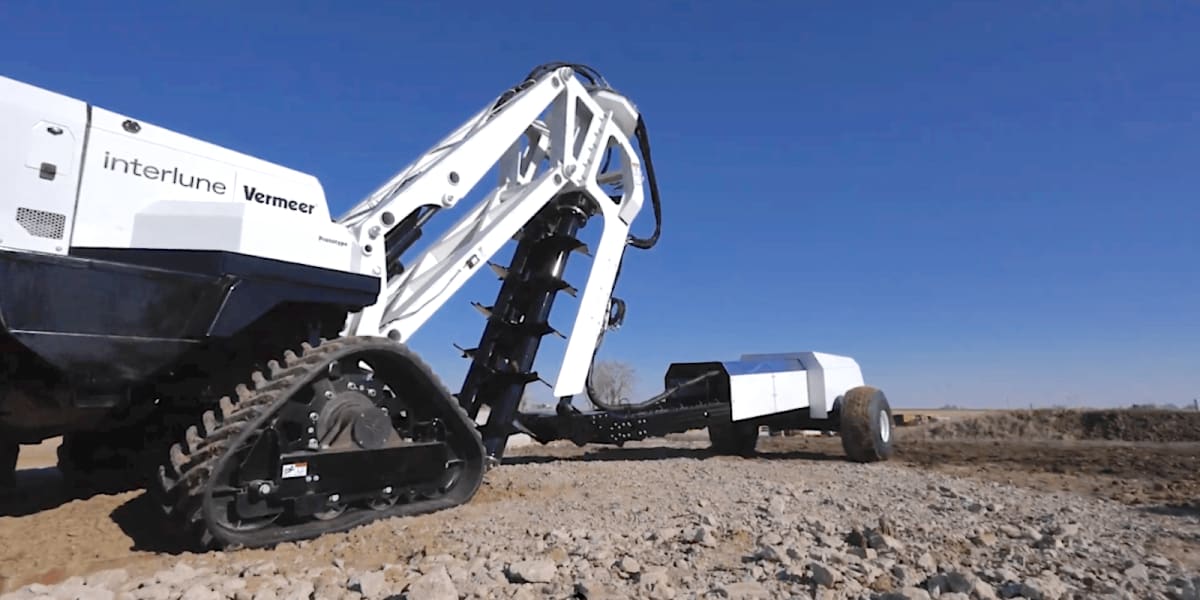
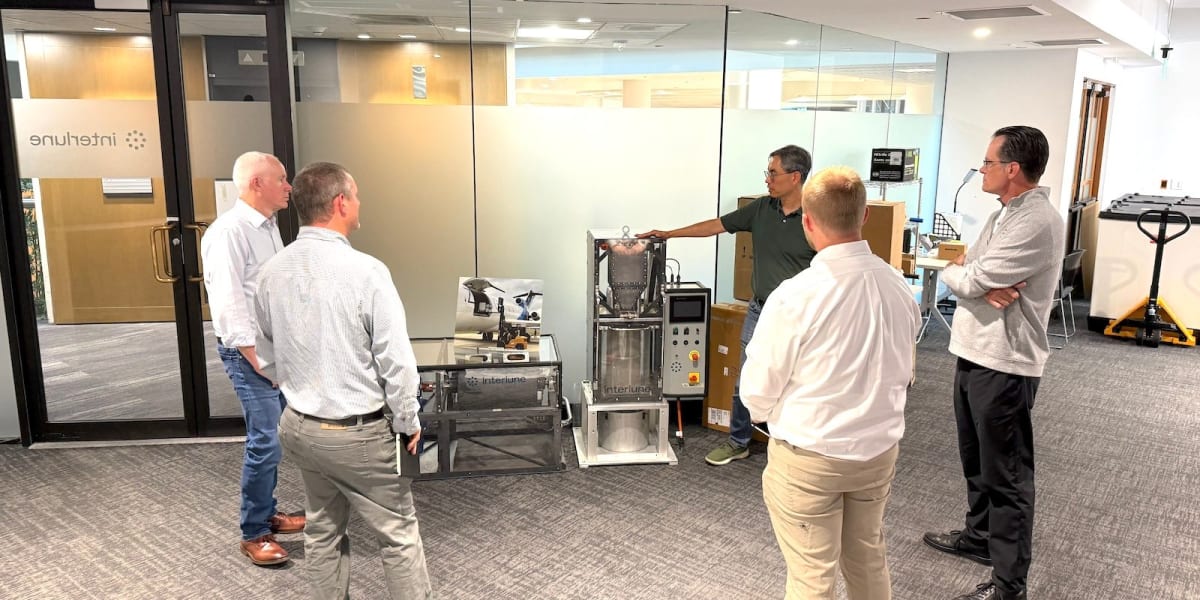
Vermeer, a 75-year-old equipment manufacturer from Iowa, has partnered with lunar mining startup Interlune to build something extraordinary: a full-scale electric excavator designed to dig up Moon rocks and extract helium-3. The machine can process 100 metric tons of lunar soil per hour, working autonomously in temperatures that swing from 110°C to negative 170°C.
The partnership just expanded this August, with both companies committing to deliver mission-ready equipment by 2028. That timeline aligns perfectly with NASA's Moon Base program, turning what sounds like science fiction into scheduled reality.
Helium might seem like party balloon material, but it's actually essential for manufacturing computer chips, fiber optics, and the technology that makes modern life possible. Despite being the second most common element in the universe, helium is rare on Earth and our supplies are dwindling fast.
The solution requires rethinking everything about heavy equipment. Traditional diesel excavators need oxygen for combustion, which doesn't exist on the airless lunar surface. Vermeer's all-electric design solves that problem while tackling the Moon's extreme temperature swings through advanced thermal control systems.
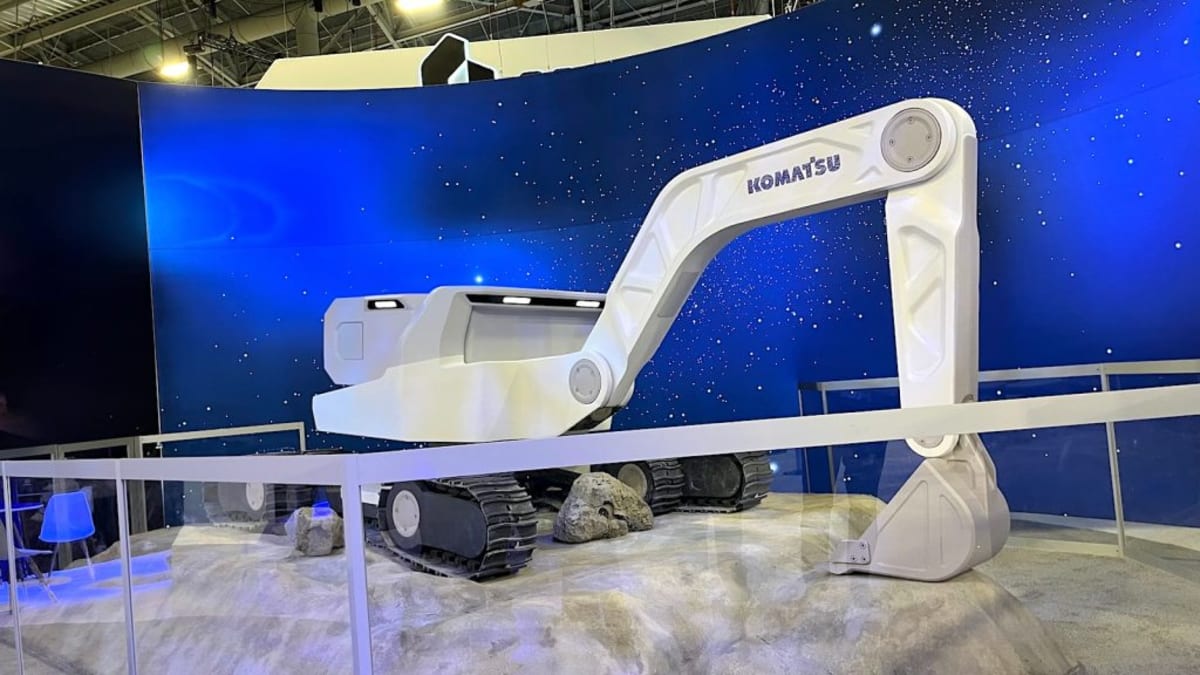
America isn't alone in this new space race. Japan's construction giant Komatsu unveiled their own lunar excavator prototype at the 2025 Consumer Electronics Show, but Vermeer appears to have pulled ahead with their full-scale working model.
The Ripple Effect
This collaboration represents more than just mining equipment. Interlune CEO Rob Meyerson calls reliable excavation and mobility "the backbones of any permanent settlement on the Moon." The technology being developed today will enable future lunar construction, research stations, and perhaps even communities beyond Earth.
Interlune has already secured $18 million in funding, plus grants from the Department of Energy and NASA. The company won a National Science Foundation award in 2023 for developing technology to size and sort lunar soil, proving their concepts work before scaling up.
The first Interlune mission to the Moon is scheduled before 2030, just five years away. What once seemed impossible is now on the calendar, backed by Iowa engineering and American innovation working to solve Earth's resource challenges by reaching for the stars.
More Images

Based on reporting by Electrek
This story was written by BrightWire based on verified news reports.
Spread the positivity!
Share this good news with someone who needs it