Moroccan Women Keep Ancient Amazigh Art Alive for Generations
In remote Moroccan villages, Amazigh women are preserving centuries-old traditions through jewelry making, carpet weaving, henna art, and tattoos. Despite little government support, these living artists pass down indigenous crafts that tell stories of their heritage.
In Morocco's remote mountain villages, Amazigh women are walking museums of ancient art, keeping traditions alive with their own hands and bodies.
While men travel to cities for work, women in these communities become the guardians of cultural identity. They speak the Amazigh language to their children, weave carpets using centuries-old symbols, and create silver jewelry designs that have been passed through generations.
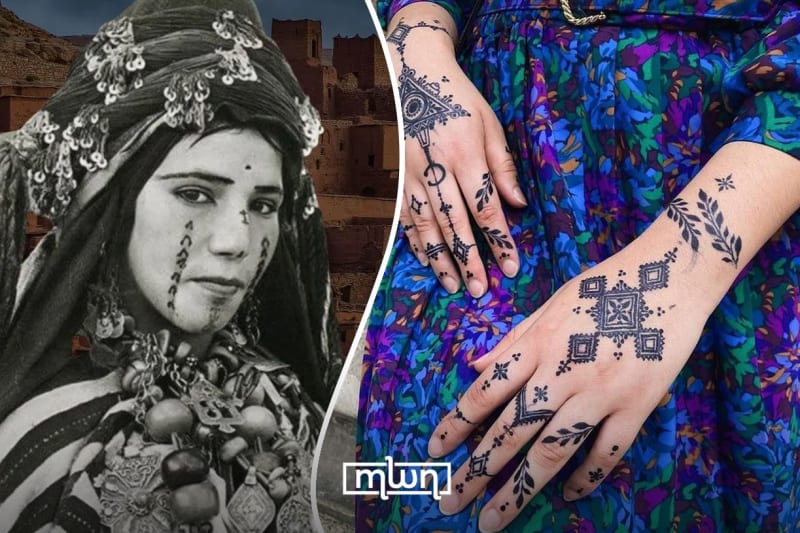
These women are true artists of their craft. They apply intricate henna patterns on hands and feet, dye their faces with saffron in traditional designs, and wear jewelry pieces that date back over a century. Every carpet they weave tells a story using familiar symbols from their surroundings, transforming wool into historical records.
The jewelry craftsmanship is particularly remarkable. Most pieces are made of silver and amber, with gold work that gains global appreciation for its originality. Even as cheap imported jewelry floods local markets, the handmade designs remain unmatched in quality and cultural significance.
Women have literally become the safekeepers of these treasures. They preserve ancestral jewelry inherited from their families and pass them to the next generation. During weddings and special occasions, these century-old pieces come out, sparkling with history.
The younger generation faces different pressures. Traditional tattoos, once common on chins, wrists, and ankles, are fading as religious interpretations discourage them. Henna and saffron arts survive better because they're temporary, and many women now earn income applying them for tourists and brides.
Why This Inspires
What makes this story powerful is the quiet determination of these women. Without formal museums or government exhibitions to showcase their work, they've turned their own bodies and homes into living galleries. They practice these arts not because it's easy or profitable, but because they understand what will be lost if they stop.
Voices in Morocco are calling for change. Some advocate for national exhibitions that bring rural artists to cities, while others suggest modern artists should incorporate traditional Amazigh symbols into contemporary work. These efforts remain small compared to the vast diversity of Amazigh communities across Morocco, but they're growing.
The women aren't waiting for permission. They continue weaving, creating, and teaching despite globalization's pull and institutional indifference. Every carpet completed, every bride decorated with henna, every piece of jewelry worn becomes an act of cultural preservation.
These artists prove that heritage doesn't need fancy buildings to survive; it just needs people who care enough to keep practicing.
Based on reporting by Morocco World News
This story was written by BrightWire based on verified news reports.
Spread the positivity!
Share this good news with someone who needs it