Morocco Discovers 160-Million-Year-Old Lizard Footprints
Moroccan researchers uncovered rare fossilized lizard footprints dating back 160 to 170 million years, the first such discovery in Africa. The find rewrites what scientists thought they knew about ancient lizard distribution across the supercontinent Gondwana.
A PhD student in Morocco just uncovered footprints that change the story of how ancient lizards spread across Earth 160 million years ago.
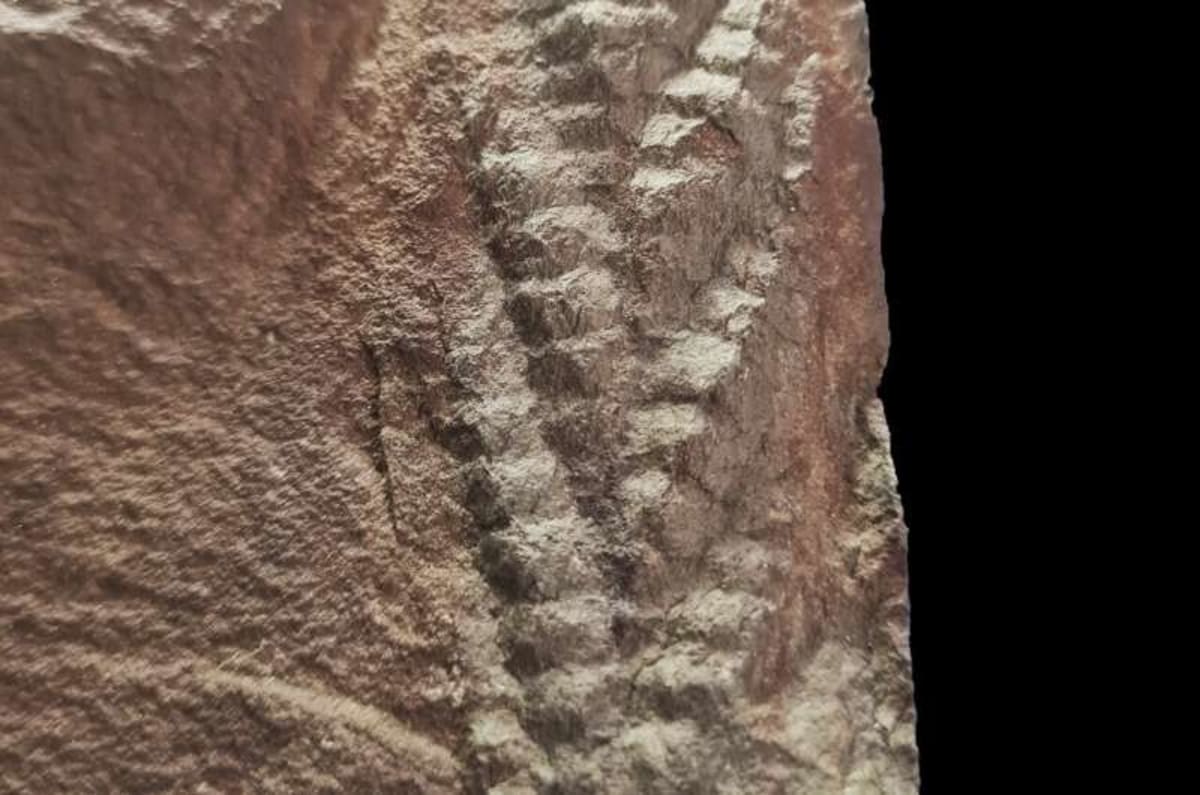
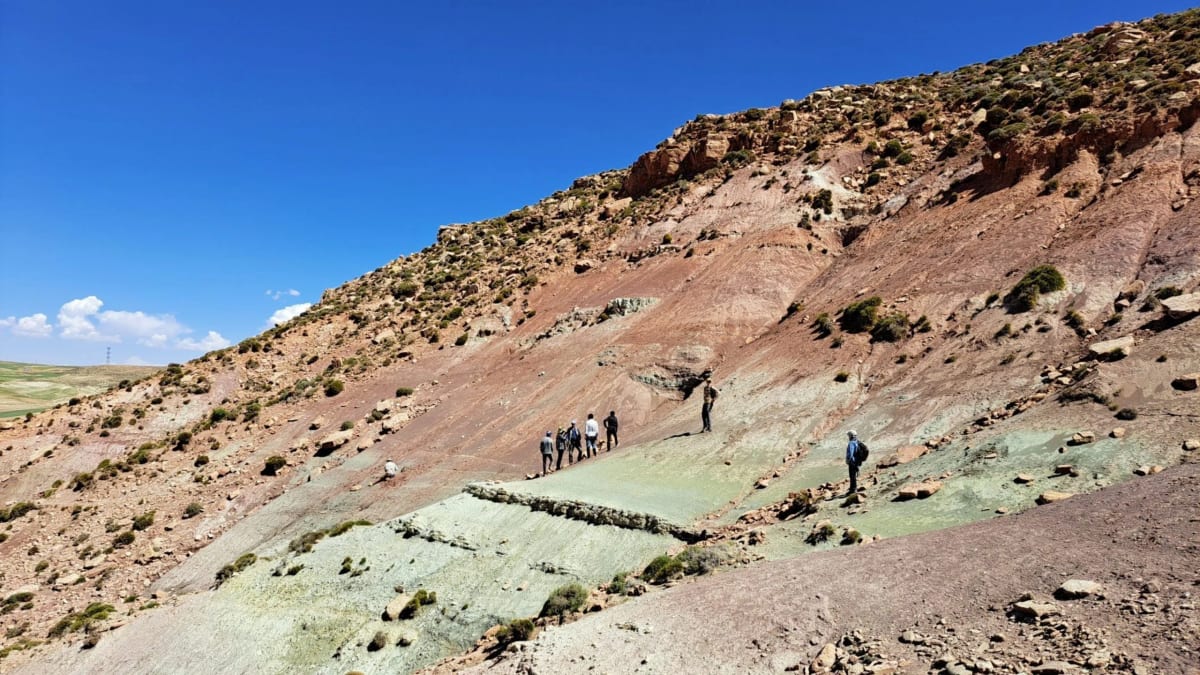
Omar Ait Haddou discovered 12 fossilized footprints in Msemrir, Tinghir Province, belonging to a lizard-like animal called a lacertoid. The prints clearly show five digits and reveal a creature measuring 30 to 50 centimeters with a sprawling, crocodile-like posture.
This marks only the third discovery of such tracks worldwide, with previous finds limited to Europe and South America. More importantly, it's the first evidence found in Gondwana, the ancient supercontinent that would eventually split into Africa, parts of Europe, and South America.
"Until now, scientists believed this type of lacertoid was confined to Europe and South America," explains Professor Abdelouahed Lagnaoui, who supervised the research published in Historical Biology. "This discovery completes our understanding of its historical distribution."
The team used photogrammetry to digitally reconstruct the ancient lizard's shape and movement from the preserved tracks. The precision of the footprints allowed researchers to confirm details about how the animal walked and lived millions of years before dinosaurs disappeared.
The Ripple Effect
This discovery shines light on Morocco's extraordinary fossil wealth, what geologists call a "geological paradise." The country's rock formations span over two billion years, creating an unmatched record of ancient life.
Morocco's flat ancient landscapes served as a major wildlife corridor when neighboring regions were mountainous. Animals migrated through, and many died there, leaving behind fossils that explain today's remarkable paleontological riches.
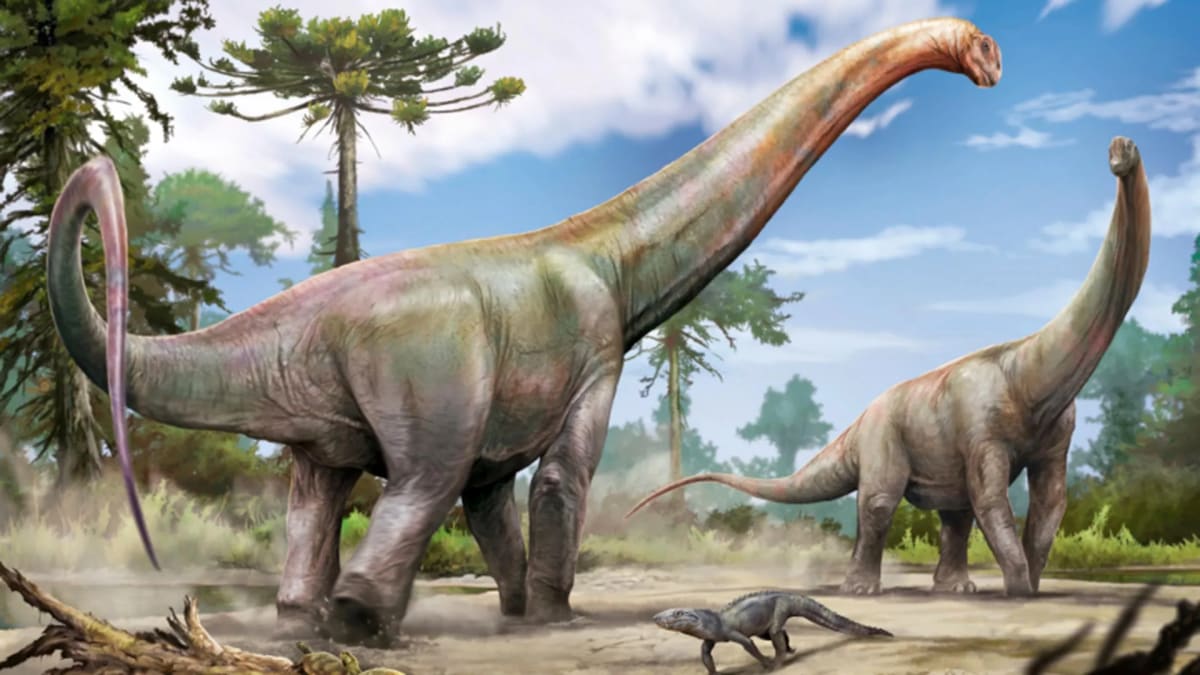
The same Msemrir region has yielded bird traces, dinosaur footprints including theropods and sauropods, and invertebrate remains. Other Moroccan sites have revealed Spinosaurus, Ankylosaurus, Stegosaurus, and a 588-million-year-old shark called Maghriboselach that drew 120 international researchers to visit in 2026.
Yet this heritage faces challenges. In southeastern Morocco, locals often sell fossils due to lack of awareness about their scientific value, Lagnaoui notes.
The solution lies in education and geotourism development. Morocco plans to open a major national museum of geology and archaeology in Rabat between late 2027 and early 2028, with hopes for regional museums to follow.
Lagnaoui advocates for integrating Moroccan fossils into school curricula rather than relying on foreign examples. Training specialized tourist guides could transform scientific discoveries into economic opportunities while preserving irreplaceable heritage.
One student's footprint discovery proves that Morocco's ancient past holds keys to understanding Earth's history and building a brighter future through science and tourism.
Based on reporting by Google: fossil discovery
This story was written by BrightWire based on verified news reports.
Spread the positivity!
Share this good news with someone who needs it