Ancient Plants Beat Earth's Worst Extinction With Night Trick
Scientists discovered how primitive plants survived the deadliest extinction event in Earth's history by breathing backwards. The secret? They absorbed carbon dioxide at night instead of during the day.
When 89% of life on land vanished 252 million years ago, one group of plants figured out how to survive on a planet too hot for almost everything else.
Scientists at the University of Leeds just solved a mystery that's puzzled researchers for decades. How did tiny lycophytes, primitive spore-producing plants, thrive when Earth turned into a furnace during the Great Dying?
The answer transforms our understanding of survival itself. These plants evolved to breathe at night.
During the Permian-Triassic extinction, massive volcanic eruptions in Siberia pumped so much carbon dioxide into the atmosphere that global temperatures skyrocketed. Ocean temperatures hit 95°F. Land temperatures at the equator exceeded 113°F, with some areas reaching 122°F.
Most plants died because opening their pores during scorching days meant losing too much water. Forests disappeared. Entire ecosystems collapsed.
But lycophytes switched to CAM photosynthesis, a survival strategy that today's desert plants like cacti still use. They opened their stomata at night when temperatures dropped, absorbed carbon dioxide, and stored it as acid. During the blistering days, they kept their pores sealed tight and used the stored carbon for photosynthesis.
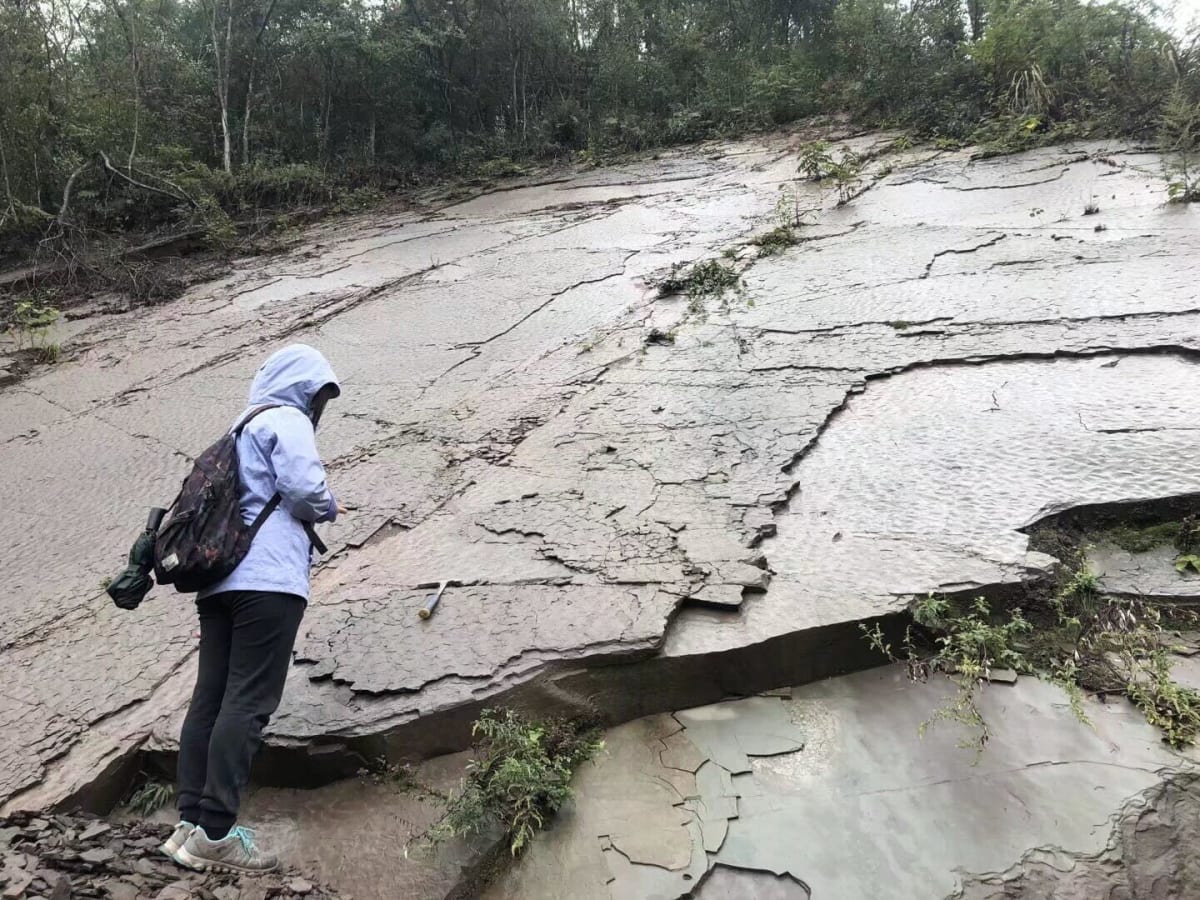
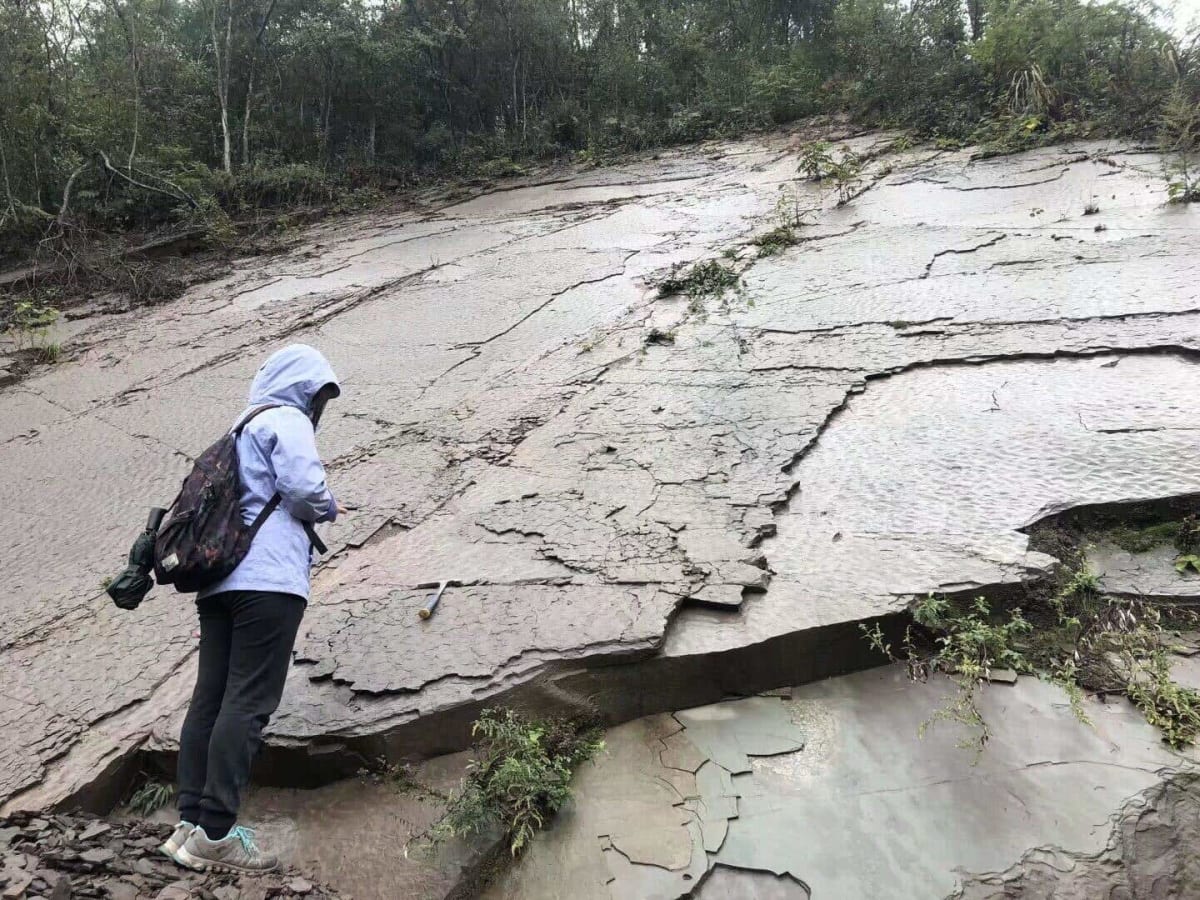
The research team studied 485 fossil specimens from southern China and analyzed carbon isotopes trapped in ancient plant tissue. They compared these chemical signatures with climate models to piece together how these humble plants conquered an apocalypse.
What makes this discovery remarkable is the fossil evidence itself. The carbon isotope patterns in lycophyte fossils looked completely different from other plants living at the same time, especially during the worst heat. As conditions improved millions of years later, that gap disappeared.
Why This Inspires
This discovery reminds us that survival often comes from adapting in unexpected ways rather than being the biggest or strongest. When Earth became almost uninhabitable, these small plants rewrote the rules of how to live.
Today's CAM plants represent only a small fraction of vegetation, thriving mainly in deserts and harsh environments. But 252 million years ago, this night-breathing strategy saved plant life on Earth when nearly everything else failed.
The research shows that even in the darkest times, literally and figuratively, life finds creative solutions. These ancient survivors paved the way for ecosystems to recover and eventually flourish again, leading to the diverse plant world we depend on today.
More Images

Based on reporting by Google: scientists discover
This story was written by BrightWire based on verified news reports.
Spread the positivity!
Share this good news with someone who needs it

