Scientists Name 'Frosty' Ancient Rhino Found in Arctic
A nearly complete ancient rhino skeleton discovered in Canada's High Arctic is rewriting what we know about where these animals lived and evolved. Working with an Inuit elder, scientists chose a name that honors both the find and the community.
Scientists just found a rhino fossil in one of the last places you'd expect: the frozen Canadian High Arctic, further north than any rhino species ever recorded.
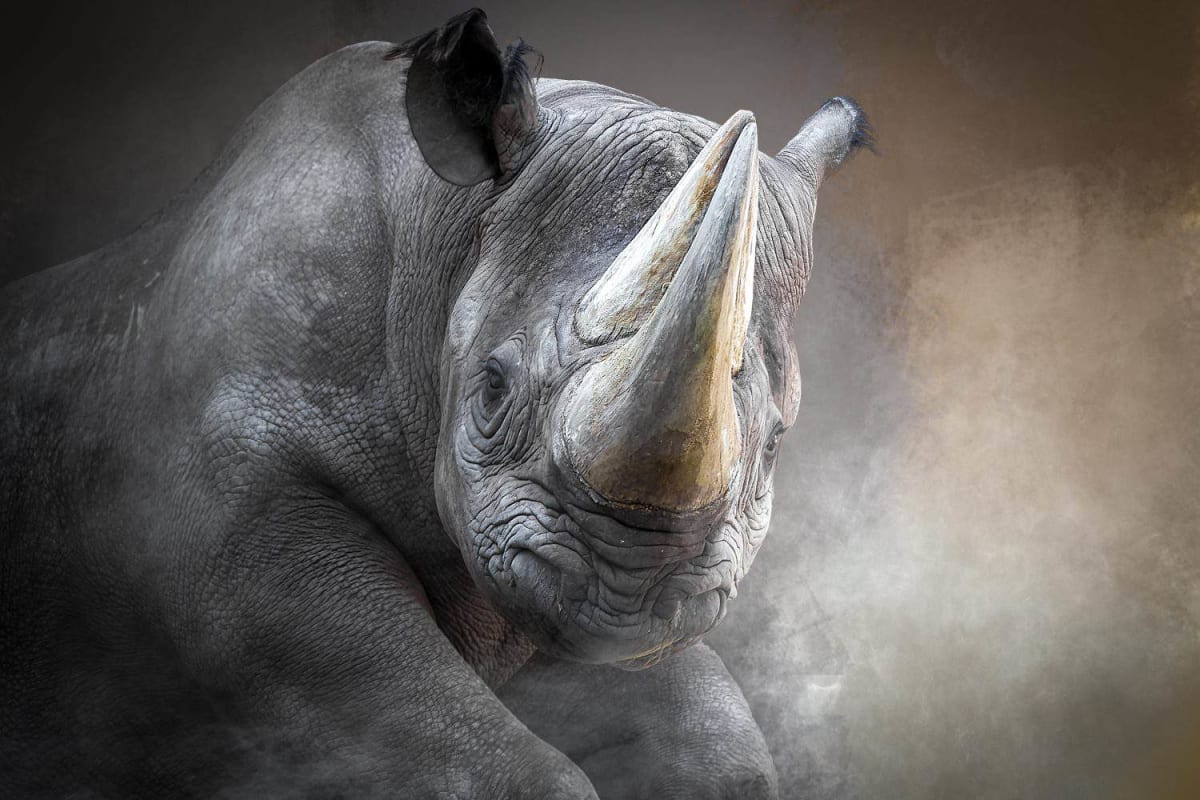
The Canadian Museum of Nature team discovered the nearly complete skeleton in a lake within Haughton Crater on Devon Island, Nunavut. This small rhino, about the size of today's Indian rhinoceros, lived without a horn and roamed the Arctic millions of years ago.
What makes this discovery even more special is how the species got its name. Before announcing their findings in October 2025, the research team consulted with Jarloo Kiguktak, an Inuit elder and former mayor of Grise Fiord, Canada's northernmost Inuit community. Together, they named it Epiatheracerium itjilik, with "itjilik" meaning "frosty" in Inuktitut.
Kiguktak has joined multiple paleontological expeditions in the High Arctic, bringing traditional knowledge and community connection to scientific discovery. This collaboration shows how Indigenous voices can enrich our understanding of the past.
The well-preserved skeleton revealed the animal was a young adult based on wear patterns on its cheek teeth. Finding such complete remains this far north is rare and valuable for understanding prehistoric life.
Why This Inspires
This frosty rhino is changing the story of how ancient animals spread across the planet. When scientists mapped this discovery alongside 57 other rhinocerotid species, they realized the Arctic played a much bigger role in rhino evolution than anyone knew.
The findings suggest rhinos may have traveled between Europe and North America across the now-vanished North Atlantic Land Bridge for much longer than previously thought. The Arctic wasn't just a frozen wasteland, it was a highway for ancient life.
This discovery also highlights why Arctic paleontology matters so much. Regions we might overlook as too harsh or remote often hold the keys to understanding how life on Earth adapted and thrived through massive climate changes.
The collaboration between Western science and Indigenous knowledge created something more meaningful than just another fossil in a museum case. It honored the land, the people who know it best, and the ancient creature that once called the Arctic home.
More Images

Based on reporting by Google: fossil discovery
This story was written by BrightWire based on verified news reports.
Spread the positivity!
Share this good news with someone who needs it