1,300 New Bones Reveal Dinosaur's Real Face After 60 Years
Australian scientists just rewrote the face of Queensland's most famous dinosaur after piecing together 1,300 bone fragments that sat undiscovered for decades. The Muttaburrasaurus had teeth and a narrow snout that nobody knew about until now.
Sometimes the most exciting discoveries happen when you go back to where it all started.
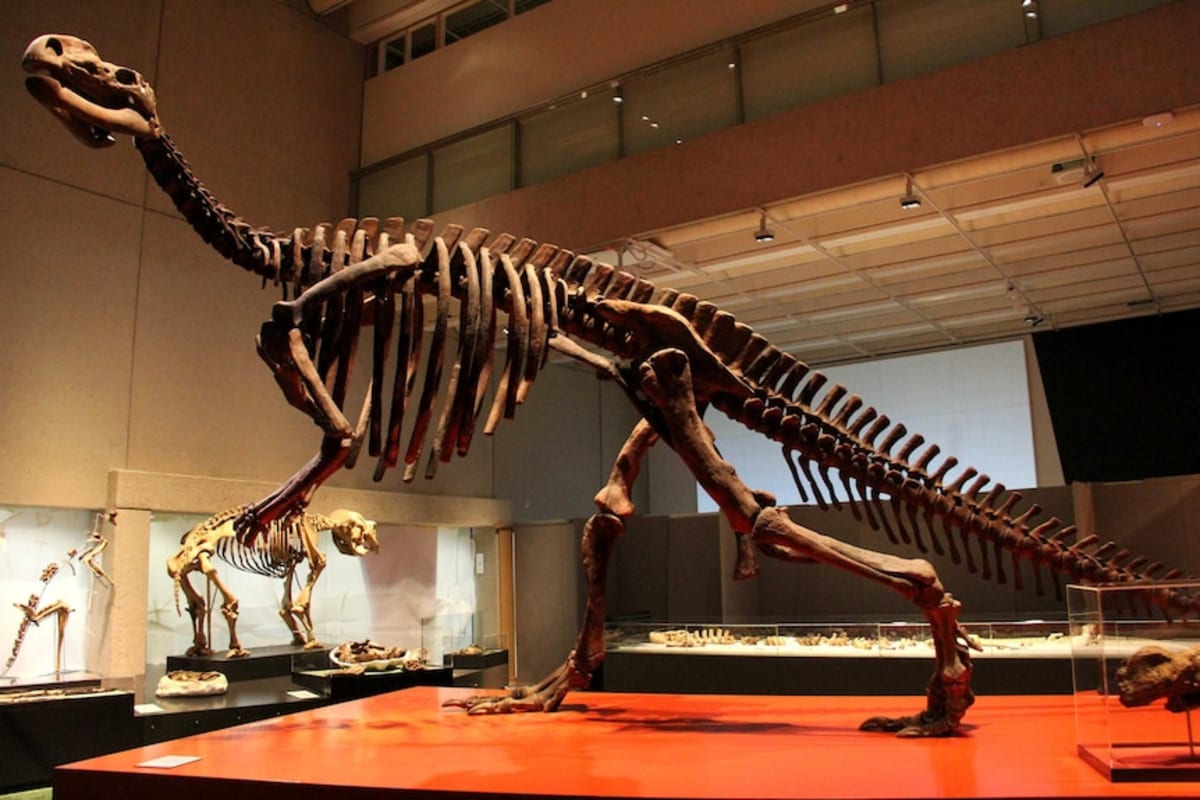
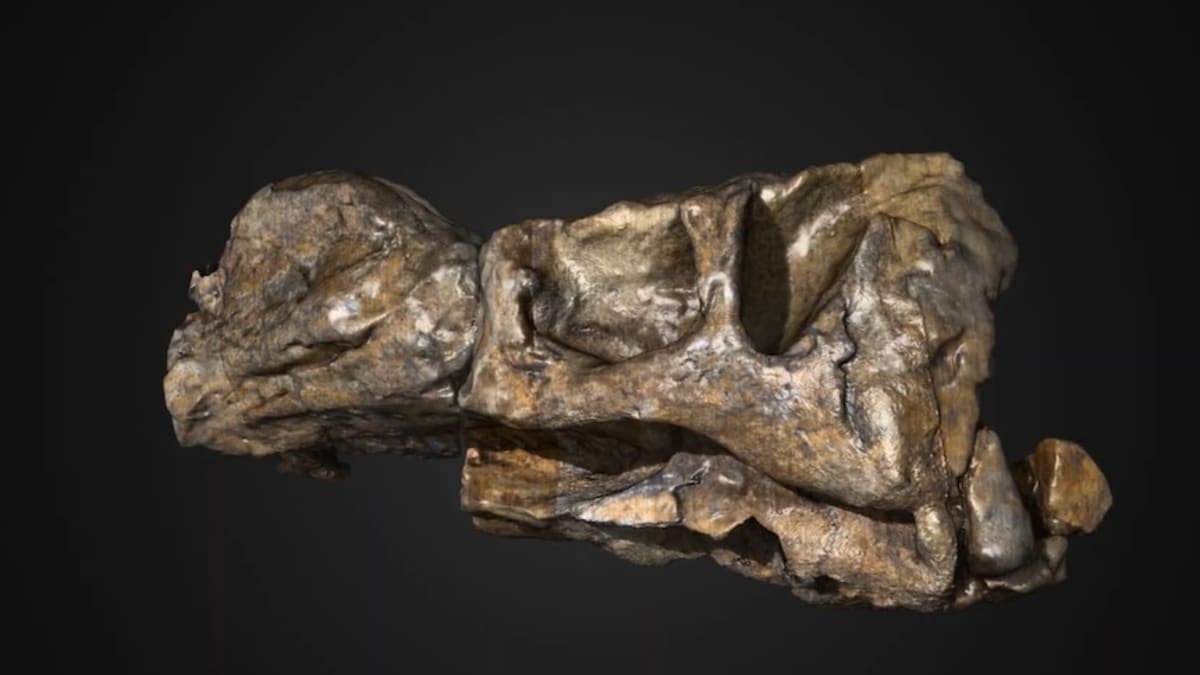
Paleontologist Matthew Herne just changed what we know about one of Australia's most beloved dinosaurs by returning to a site that hadn't been touched since 1963. He found 1,300 bone fragments belonging to the Muttaburrasaurus, Queensland's official fossil emblem, that completely transformed scientists' understanding of what this ancient creature actually looked like.
The new research, published in the journal PeerJ, reveals that the Muttaburrasaurus had teeth at the front of its face and a narrow muzzle. Earlier drawings showed neither of these features.
Dr. Herne spent weeks in 2019 searching for the original discovery site near Muttaburra, a town 13 hours northwest of Brisbane. He believed the location had been marked incorrectly and suspected more bones remained hidden in the ground.
His instinct paid off. In 2020, he found the correct spot and spent nearly a month collecting fragments with his wife.
The bones had slowly moved toward the surface over six decades as the black soil contracted and expanded. Some pieces clicked perfectly onto the original skull discovered by grazier Doug Langdon in 1963.
The Bright Side
This discovery showcases the power of persistence and fresh eyes. Two bones that form the Muttaburrasaurus's extended face had been sitting in the Queensland Museum's collection since the 1960s, but nobody could make sense of them until Dr. Herne's new fragments provided the missing link.
Using advanced CT scans and neutron radiography, researchers uncovered even more surprises. The dinosaur's distinctive nose bump housed complex air chambers that gave it an excellent sense of smell, possibly helping it find food, detect predators, or navigate its environment.
Analysis of its ear canals confirmed the 100-million-year-old creature likely walked upright on its hind legs.
Research co-author Scott Hocknull from CQUniversity admits not everyone celebrated the new look. Online commenters joked that the updated renders looked like a "shriveled chicken," but he stands by the science behind seven years of meticulous work.
University of Queensland paleontologist Steven Salisbury, who wasn't involved in the research, called it "quite an incredible story." He noted that museums in Brisbane, Muttaburra, and Hughenden will need to update their displays to reflect the most accurate depiction ever created of Queensland's fossil emblem.
The journey from that first fossil discovery in 1963 to this breakthrough shows that the past still has secrets to share when scientists refuse to give up.
More Images


Based on reporting by ABC Australia
This story was written by BrightWire based on verified news reports.
Spread the positivity!
Share this good news with someone who needs it