Morocco Site Reveals Africa's Oldest Fortress at 4,000 Years
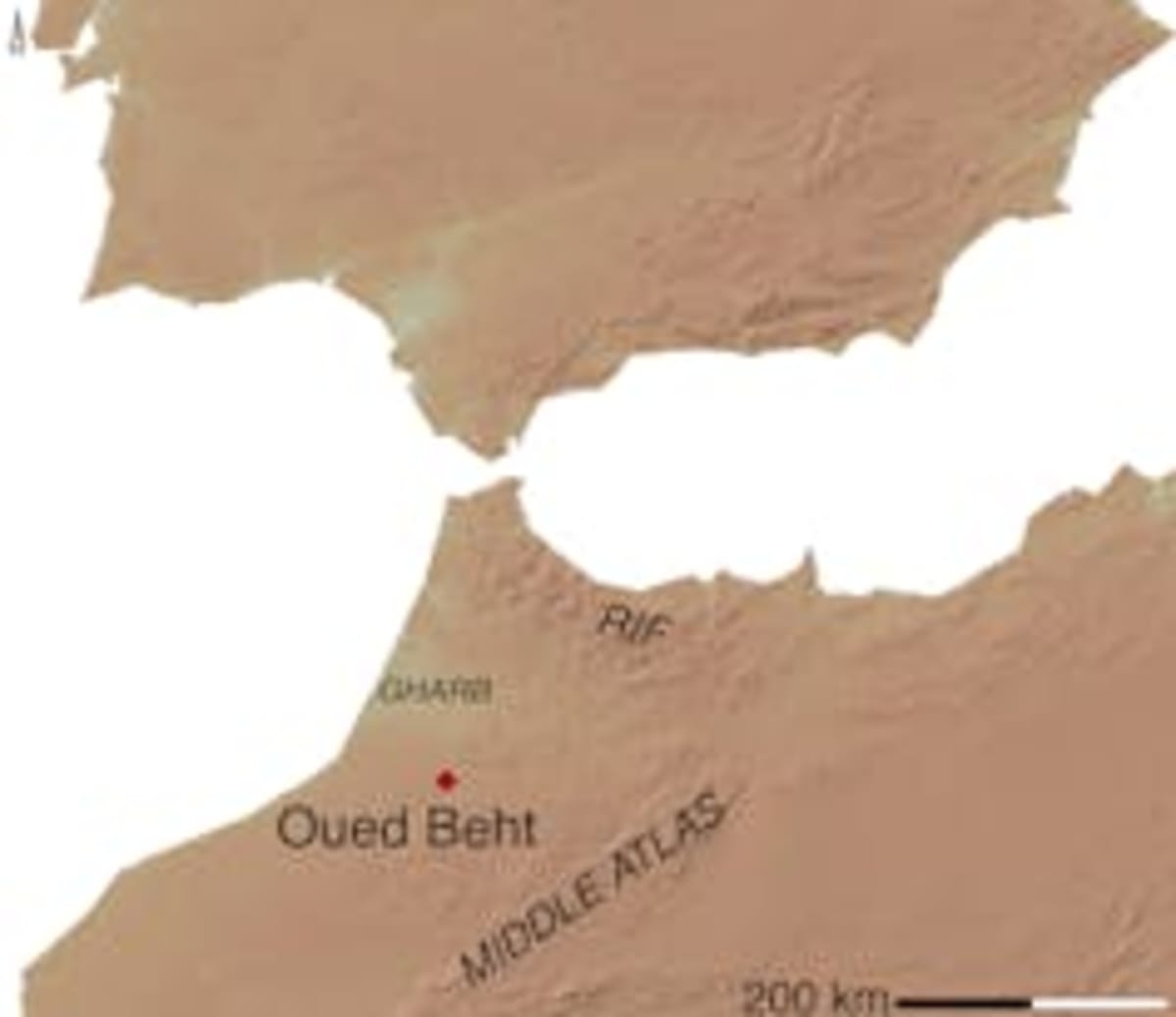
Archaeologists in Morocco just uncovered North Africa's earliest known defensive wall, built 4,000 years ago and proving ancient communities were far more organized than history books suggested. The discovery at Oued Beht rewrites what we thought we knew about early African civilizations.
In the hills of northwest Morocco, archaeologists just pushed back the timeline on African history by thousands of years.
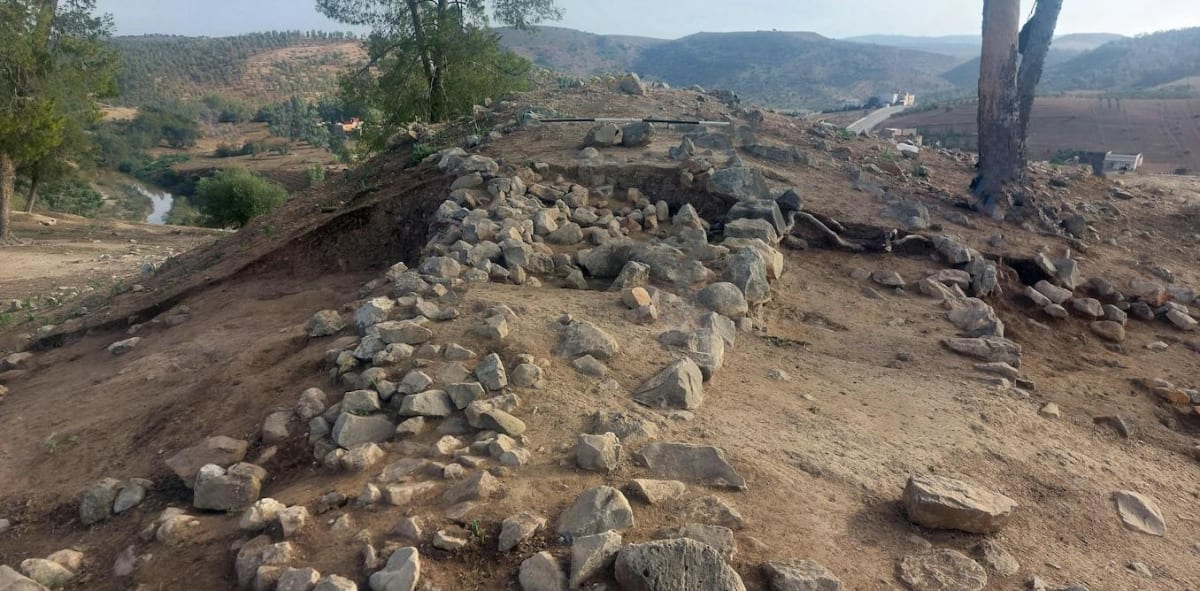
A team excavating at Oued Beht has uncovered a massive defensive wall dating back 4,000 years. It's the earliest large-scale fortification ever found in North Africa outside Egypt's Nile Valley.
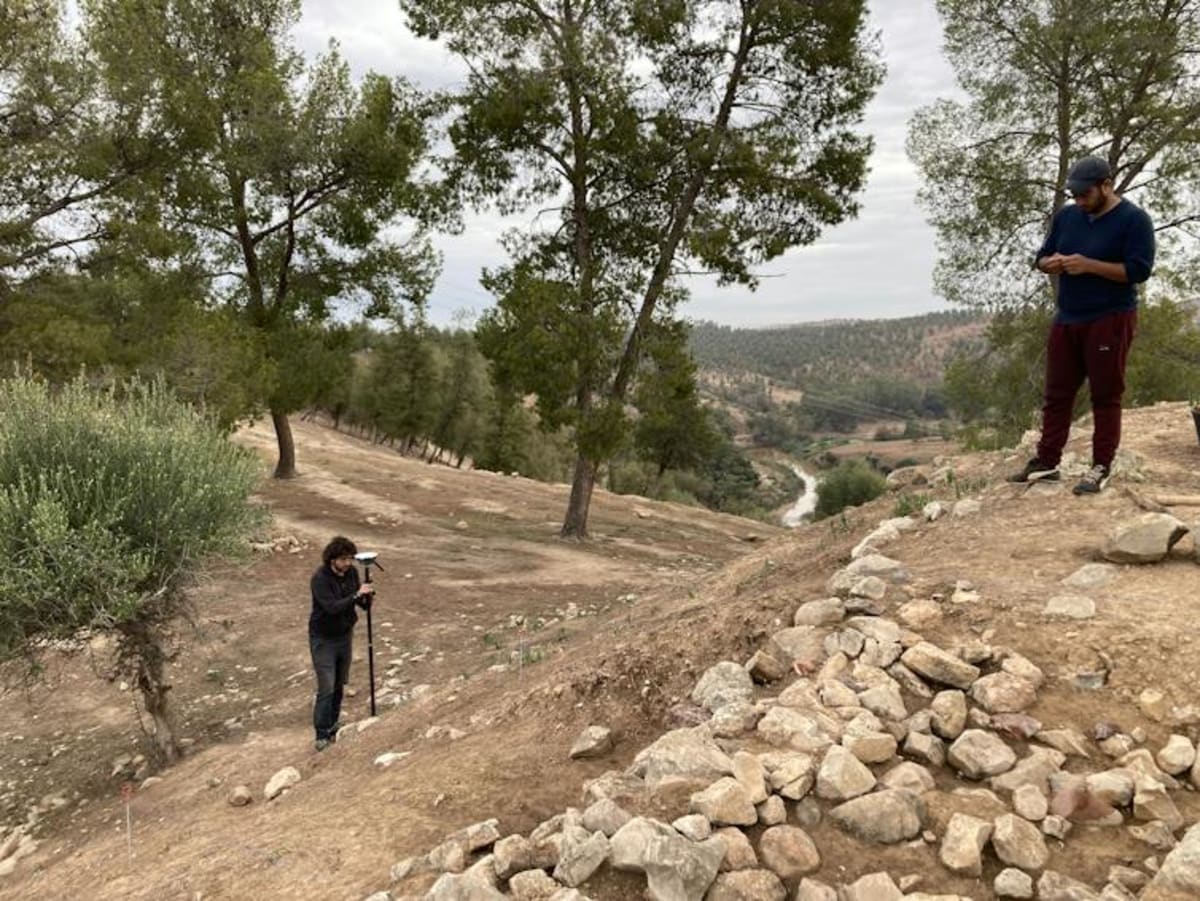
The structure isn't small. Built across a narrow ridge between a river and ravine, it features a multi-phase ditch, rampart and wall system that protected the southern tip of the settlement. Radiocarbon dating confirms it was constructed during what would have been the Bronze Age in the Mediterranean world.
What makes this discovery remarkable is what it tells us about the people who built it. Creating an embankment and ditch system of this scale required serious planning, coordination and organized labor. These weren't simple communities. They were sophisticated societies capable of complex engineering projects.
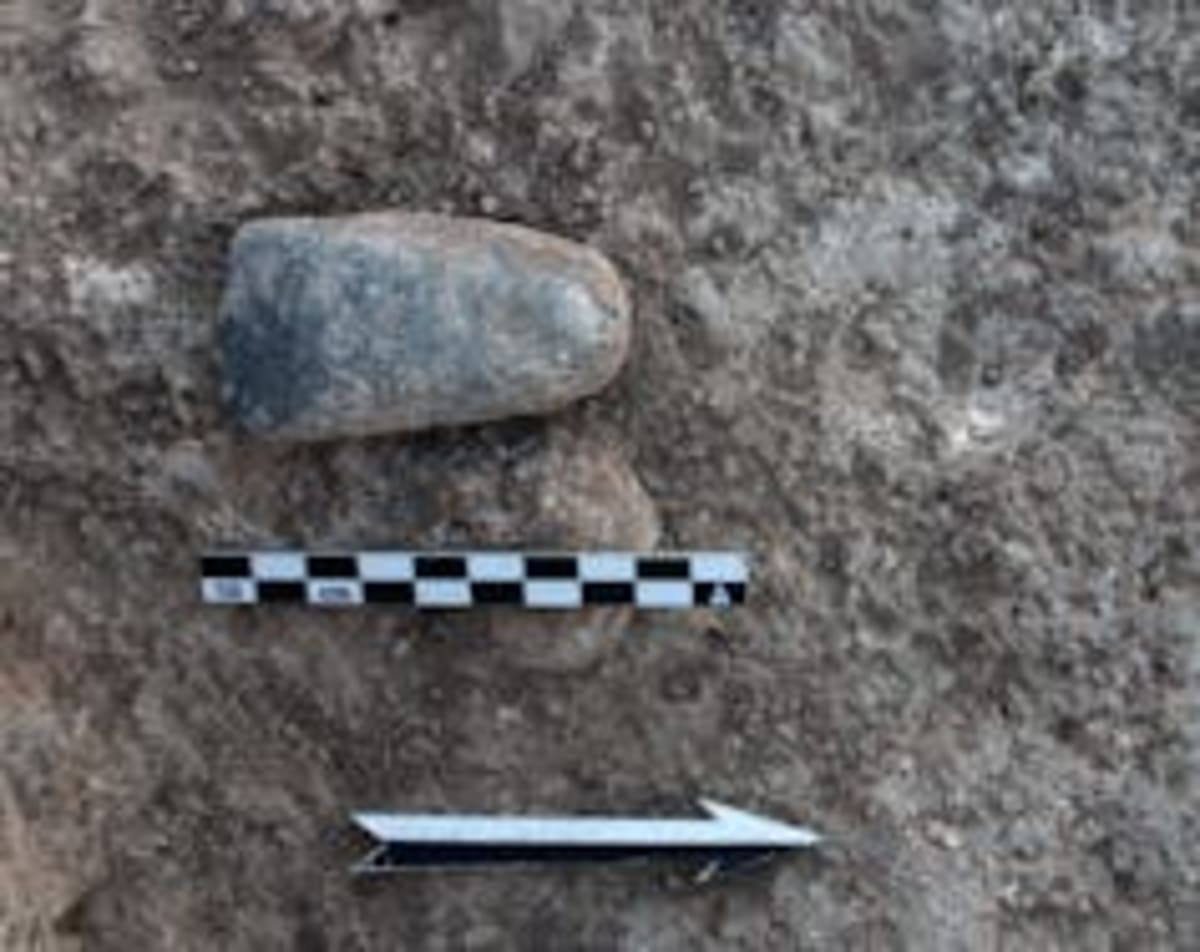
The site had already made headlines. Previous excavations revealed what's likely the earliest and largest agricultural complex ever discovered in Africa outside the Nile Valley, dating back 5,400 years. Researchers found evidence of barley and wheat cultivation, livestock keeping, and advanced craft production including thousands of polished stone axes and decorated pottery.
But the defensive wall adds a new dimension. It suggests these communities felt the need to protect themselves or control strategic locations. The threats weren't invaders from afar. More likely, the walls responded to increasing competition over land, resources and movement through the landscape as societies grew more complex.
The Ripple Effect
This discovery does more than add a cool archaeological find to the books. It fundamentally changes our understanding of ancient African societies.
For too long, the later prehistory of Morocco, Algeria and Tunisia has been poorly understood and left out of major historical narratives. Compared to well-studied regions like Spain or Greece, North Africa's story remained fragmentary and incomplete.
Oued Beht is changing that. The site shows that northwest African communities were just as organized, innovative and interconnected as their Mediterranean neighbors. They weren't isolated or primitive. They were active participants in the broader networks of trade and cultural exchange that shaped the ancient world.
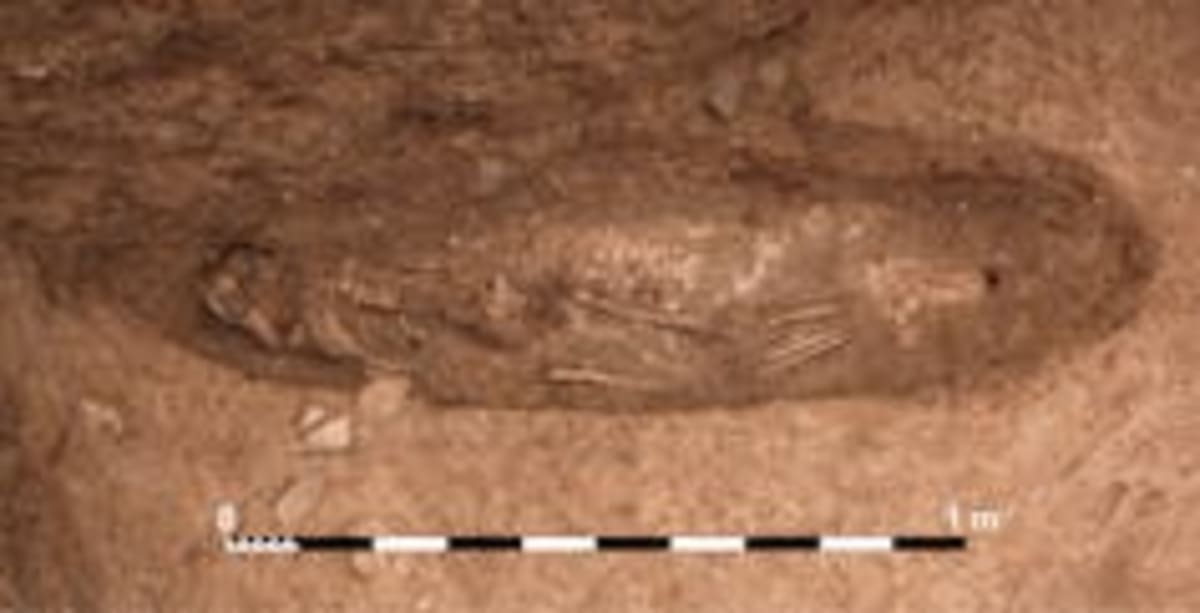
The site even saw a second life. During the medieval period between the 11th and 13th centuries, people rebuilt the same defensive structure, established a hamlet on a nearby hilltop, and created a cemetery between the two areas. The location's strategic importance endured for millennia.
Research at Oued Beht proves that African history is richer and deeper than we ever imagined.
More Images
Based on reporting by Google: archaeological discovery
This story was written by BrightWire based on verified news reports.
Spread the positivity!
Share this good news with someone who needs it

%2Fhttps%3A%2F%2Ftf-cmsv2-smithsonianmag-media.s3.amazonaws.com%2Ffiler_public%2Fcb%2Ff0%2Fcbf09863-7b51-4a6e-9146-18afe0ba8b81%2Ftomb2.png)
%2Fhttps%3A%2F%2Ftf-cmsv2-smithsonianmag-media.s3.amazonaws.com%2Ffiler_public%2F6c%2Fcd%2F6ccd5e01-e02d-493d-afe2-b75b33883c4e%2Fsmithsonian_feature_images_22.png)