Morocco's Dual-National Strategy Powers Soccer Success
Morocco transformed from overlooking dual-national players to making them the cornerstone of a strategy that's delivered World Cup semi-finals, Olympic bronze, and a youth World Cup title. The Atlas Lions' welcoming approach is winning hearts and trophies.
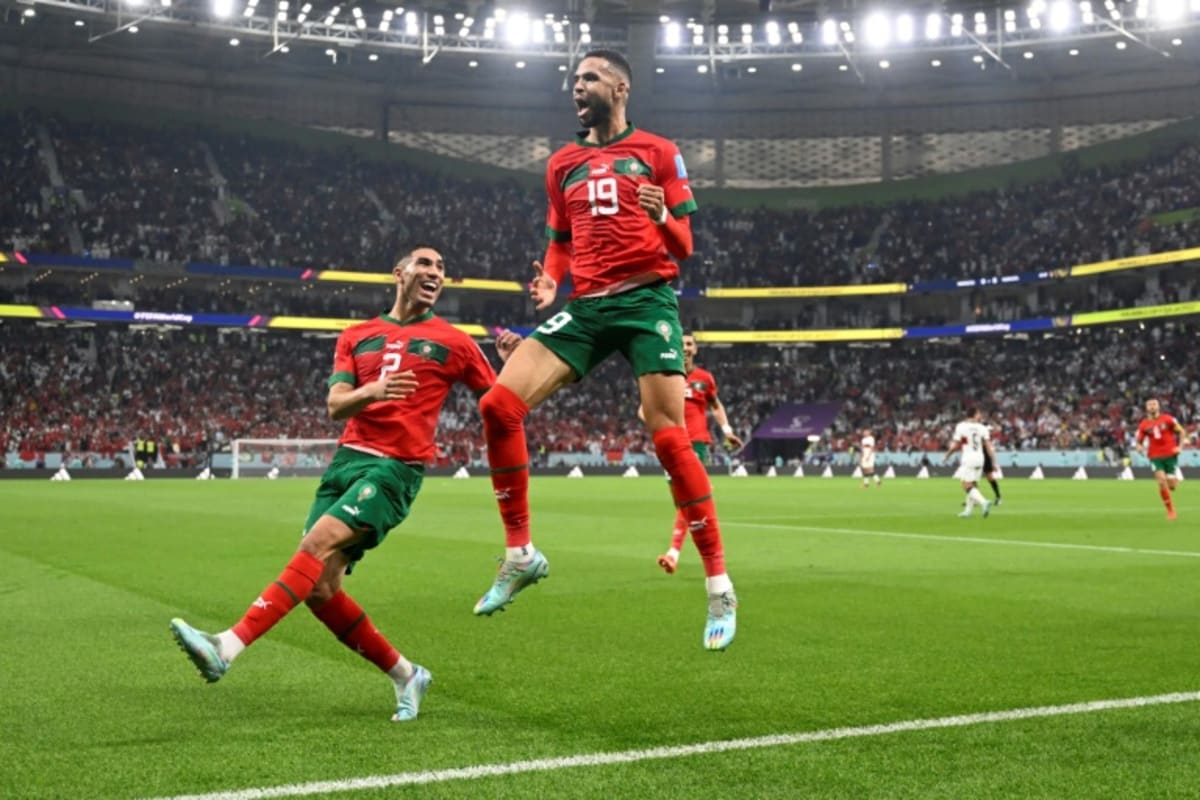
When Paris Saint-Germain star Achraf Hakimi describes playing for Morocco as "the choice of the heart," he's capturing something bigger than soccer. He's showing how a country transformed its national team by making players feel truly at home.
Morocco once treated dual-national players as backup options. Stars like Belgium's Marouane Fellaini and France's Adil Rami chose their birth countries instead, and the Atlas Lions watched talent slip away.
Everything changed after Morocco failed to qualify for the 1998 World Cup. The country launched a dedicated strategy to identify young players with Moroccan heritage across Europe and present them with a genuine sporting project.
"When I was called up, I saw that Morocco was making a lot of effort to put players in the best conditions," said Ryan Mmaee, who chose Morocco over Belgium or Cameroon in 2018. "Everything was well thought out, a real project. That's what attracted me."
The approach centers on respect rather than pressure. Head coach Mohamed Ouahbi personally visits players' families to present long-term sporting visions. "We offer nothing, no money, nothing," he told Belgian broadcaster RTBF. The federation relies on scouts throughout Europe who identify talent and make initial contact only when reports are positive.
The strategy taps into something powerful: the Moroccan diaspora's deep connection to their heritage. Players like Ajax star Hakim Ziyech, who was born in the Netherlands, say the decision comes from identity. "I have always felt Moroccan even though I was born there. Many people will never understand that feeling."
The Ripple Effect
The results speak volumes about what happens when countries invest in making players feel valued. Morocco reached the 2022 World Cup semi-finals, won bronze at the 2024 Olympics, and captured the Under-20 World Cup title in 2025. The Under-23 team won the 2023 Africa Cup of Nations.
These achievements reflect more than recruiting success. They show what's possible when a nation builds genuine infrastructure and development programs that support both homegrown and diaspora talent.
Not everyone chooses Morocco. Barcelona sensation Lamine Yamal ultimately picked Spain despite Moroccan outreach. Some European critics complain about losing players they developed, though Belgium's sporting director Vincent Mannaert acknowledged the reality: "It is their right."
Today, dual-national players make up the majority of Morocco's national team across age groups. What started as filling gaps has become the Atlas Lions' greatest strength, built on respect, family connection, and a clear vision for success.
More Images


Based on reporting by Yahoo Sports
This story was written by BrightWire based on verified news reports.
Spread the positivity!
Share this good news with someone who needs it