Morocco's Jewish Cemeteries Now Grow 46,000 Trees a Year
In rural Morocco, abandoned Jewish cemeteries are blooming again as organic nurseries run by Muslim villagers. The interfaith project fights poverty and climate change while honoring a 700-year bond.
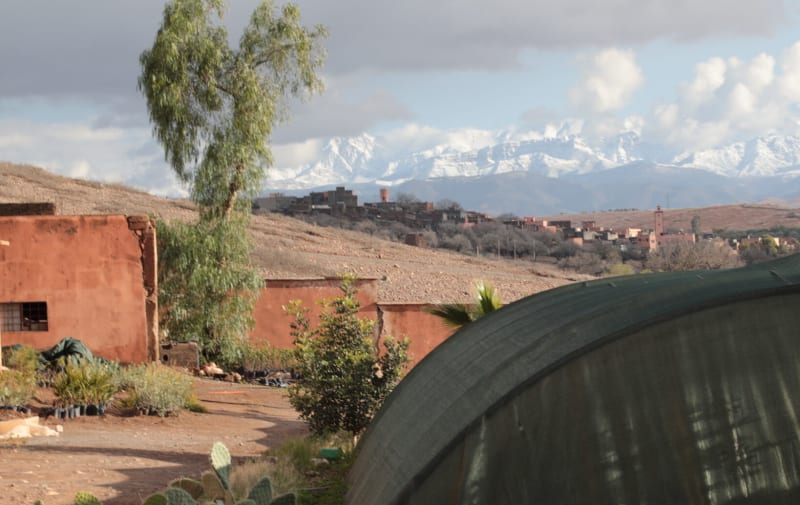
In the village of Akrich, Morocco, a 700-year-old Jewish cemetery that once sat abandoned now bursts with life, growing 46,000 fruit and nut tree saplings every year. Muslim farmers tend the sacred grounds, restoring the burial site while feeding their community.
The story begins with Abderahim Baddah, who in 2012 received permission from Morocco's Jewish community to transform the neglected cemetery land into an organic nursery. "Before, there were no plants or water. It was abandoned," says the 36-year-old caretaker.
The project, called House of Life (a traditional name for Jewish cemeteries), is spreading across Morocco. The North African nation was once home to 250,000 Jews who arrived in the 15th century, but when most emigrated in the 20th century, their burial sites fell into disrepair.
Now these sacred spaces are helping Muslim villagers escape poverty while preserving Jewish heritage. The High Atlas Foundation trained locals and built water wells to turn cemetery grounds into thriving nurseries. The only requirement? Workers rest on Saturdays, the Jewish Sabbath.
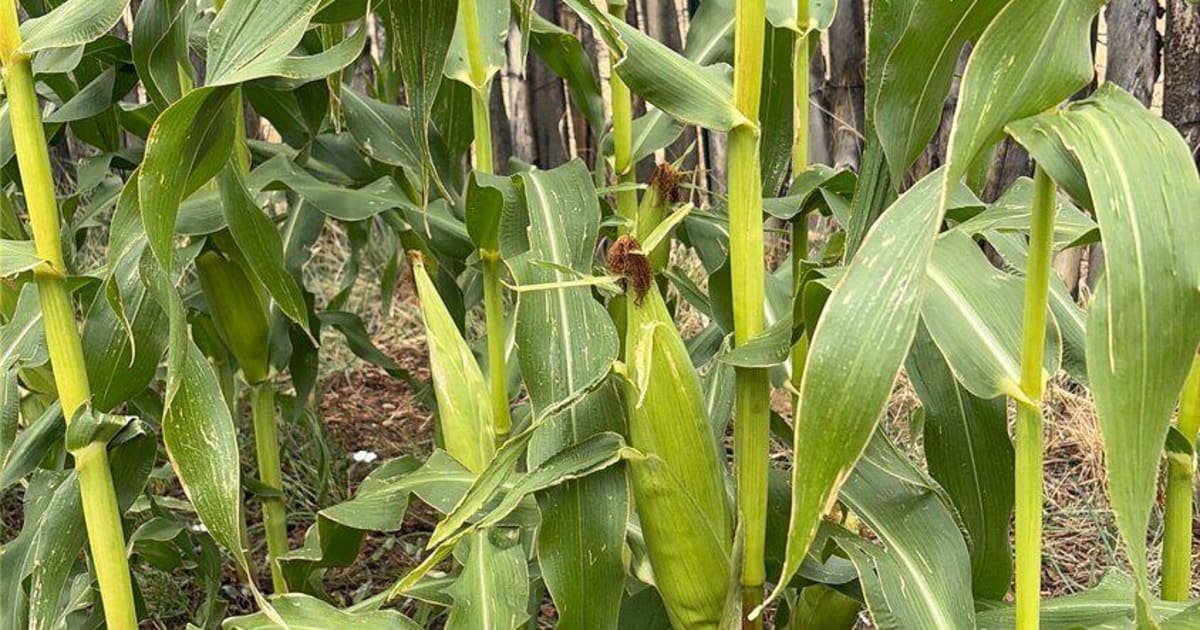
Since 2012, nearly 300,000 saplings, including almond, fig, pomegranate, olive and carob trees, have been distributed to 1,500 farming families across regions where food insecurity threatens rural communities. Morocco desperately needs these trees to combat deforestation, erosion and water shortages worsened by climate change.
The Akrich cemetery houses the tomb of Rabbi Raphael Hacohen, believed to have had healing powers, and welcomes Jewish pilgrims from around the world. When a deadly earthquake struck in 2023, the Muslim caretakers carefully repaired every crack in the walls.
The Ripple Effect
The nursery project sparked unexpected connections beyond agriculture. Jewish representatives from Marrakesh now travel to Akrich for interfaith dialogues, while visitors ask both about Jewish history and the Muslim community caring for it.
"This project is opening hearts between Jewish and Muslim people around these cemeteries," says Jacky Kadosh, president of Marrakesh's Jewish community. "It used to be like this for centuries and centuries."
The increased foot traffic brought solar panels, a community water well, and a women's weaving cooperative employing nearly 30 female workers. These Muslim women now weave traditional carpets featuring Jewish symbols like Stars of David and candelabras, using lavender from the nursery to dye their wool.
"We are pairing cultural integration with livelihood development," says Yossef Ben-Meir, president of the High Atlas Foundation. "The mixing, the experience is changing people's points of view."
At a time when religious conflict dominates headlines, these Moroccan villages prove different faiths can nurture each other and the earth beneath their feet.
Based on reporting by Reasons to be Cheerful
This story was written by BrightWire based on verified news reports.
Spread the positivity!
Share this good news with someone who needs it