New Mexico Gardeners Revive Victory Garden Legacy
A New Mexico couple is keeping alive a century-old gardening tradition pioneered by conservationist Aldo Leopold and inspired by Black scientist George Washington Carver. Their victory garden connects today's sustainable growing practices with an uplifting chapter of American history.
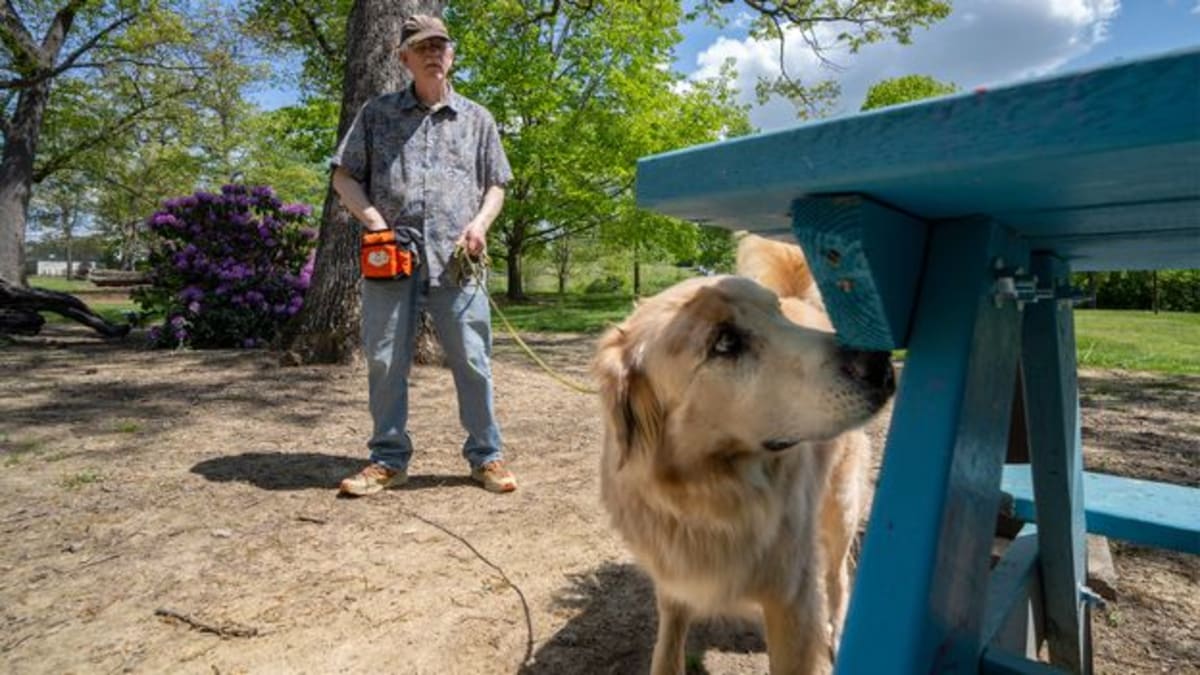
When Richard and Annette Rubin tend their milpa garden in Arroyo Seco, New Mexico, they're honoring a legacy that began over a century ago with one of America's greatest conservationists.
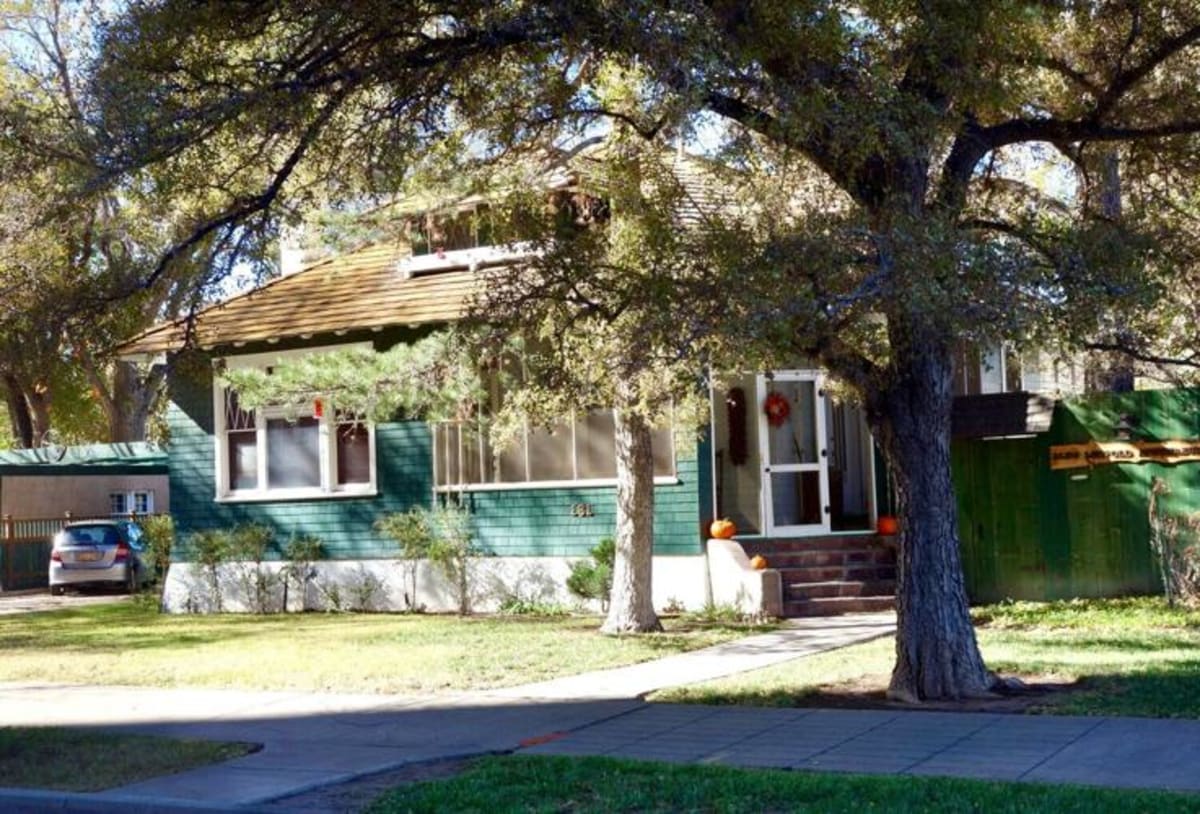
Aldo Leopold, the famous nature writer who later penned "A Sand County Almanac," started his victory garden journey in New Mexico after marrying Maria Estella Otero Bergere in 1912. The couple built a home in Albuquerque's Rio Grande Valley specifically chosen for its garden potential.
Victory gardens emerged during World War I as a way for Americans to grow their own food and support the war effort. What many don't know is that Black scientist George Washington Carver pioneered the agricultural methods that made these gardens possible. His groundbreaking work on soil restoration and regenerative farming became the foundation for victory garden programs, though other agronomists received more credit at the time.
Leopold threw himself into the movement while working for the U.S. Forest Service in Albuquerque. In 1917, he promoted victory gardens through the Chamber of Commerce, helping establish 427 gardens across the city. He even gave lectures on home gardening and citizenship to University of New Mexico students.
The tradition runs deep for the Rubins too. Richard's father, a vitamin research pioneer, maintained a devoted victory garden in New Jersey throughout the 1940s and 1950s. Tomatoes, lettuce, sweet corn and peppers fed the family while teaching young Richard about sustainable food growing.
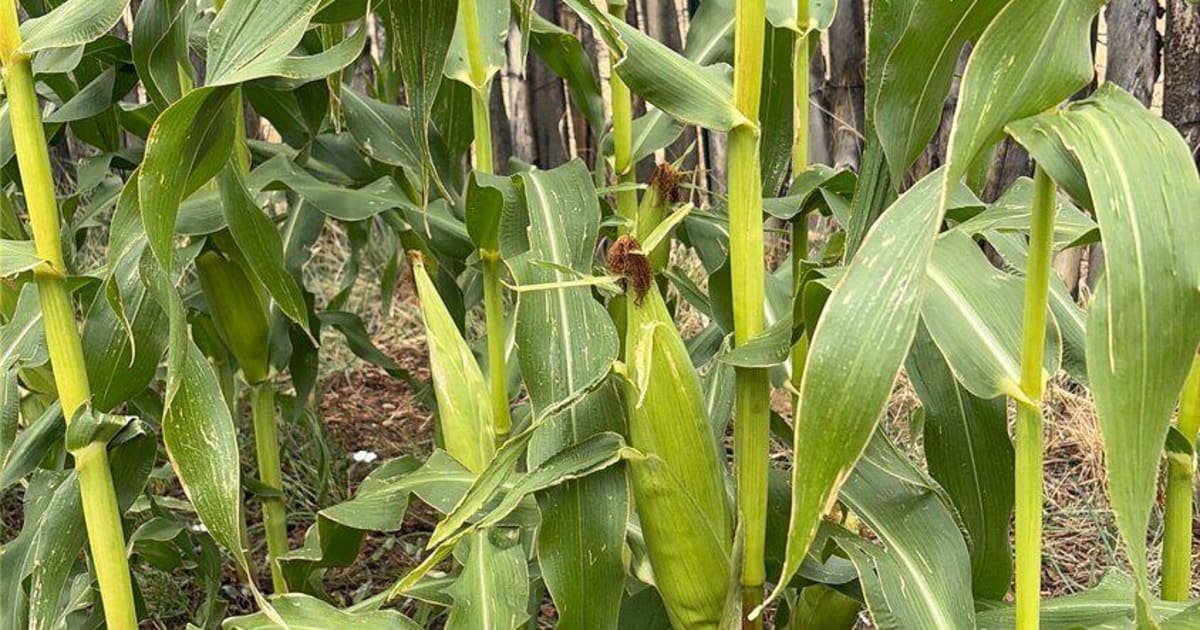
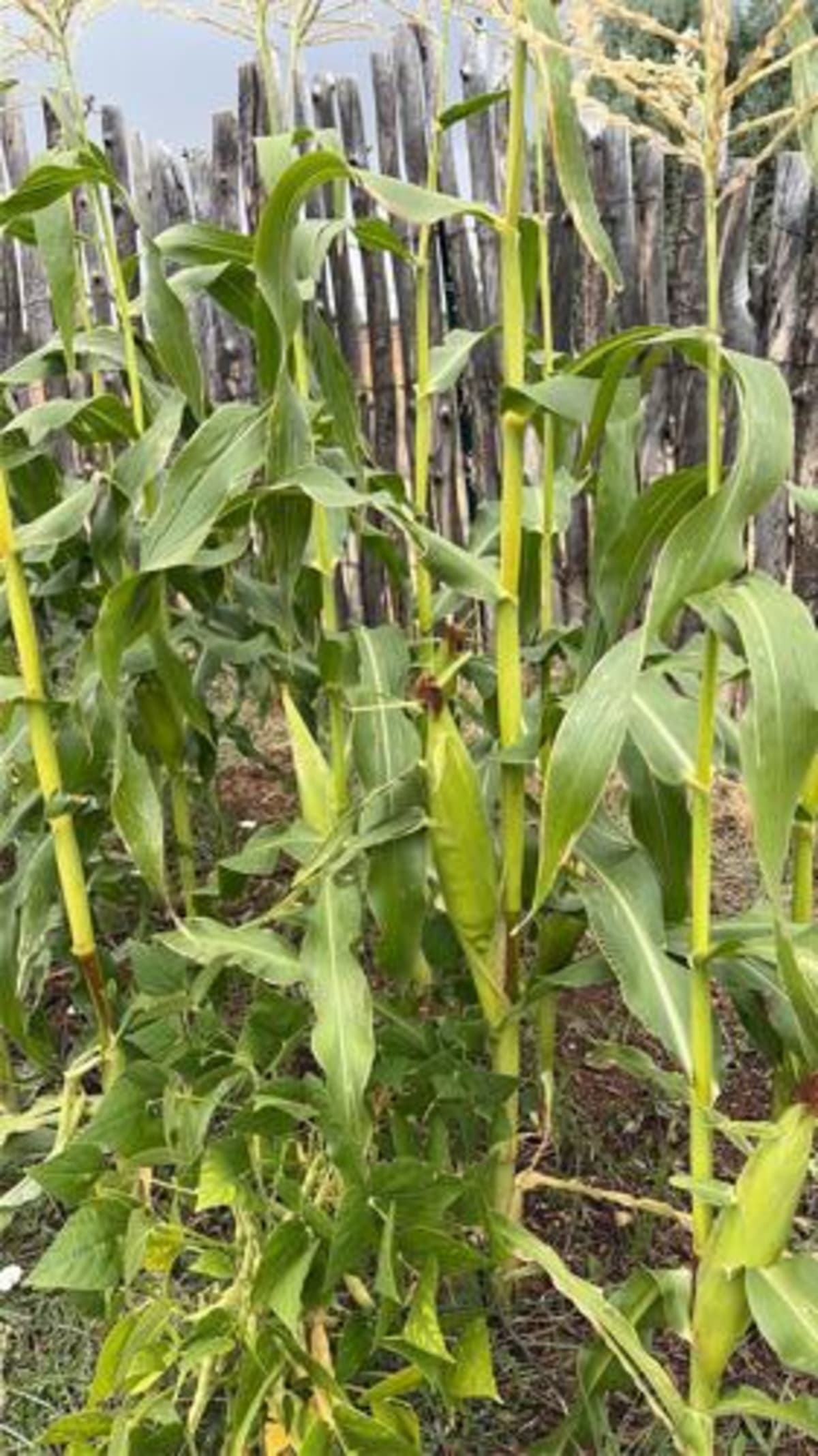
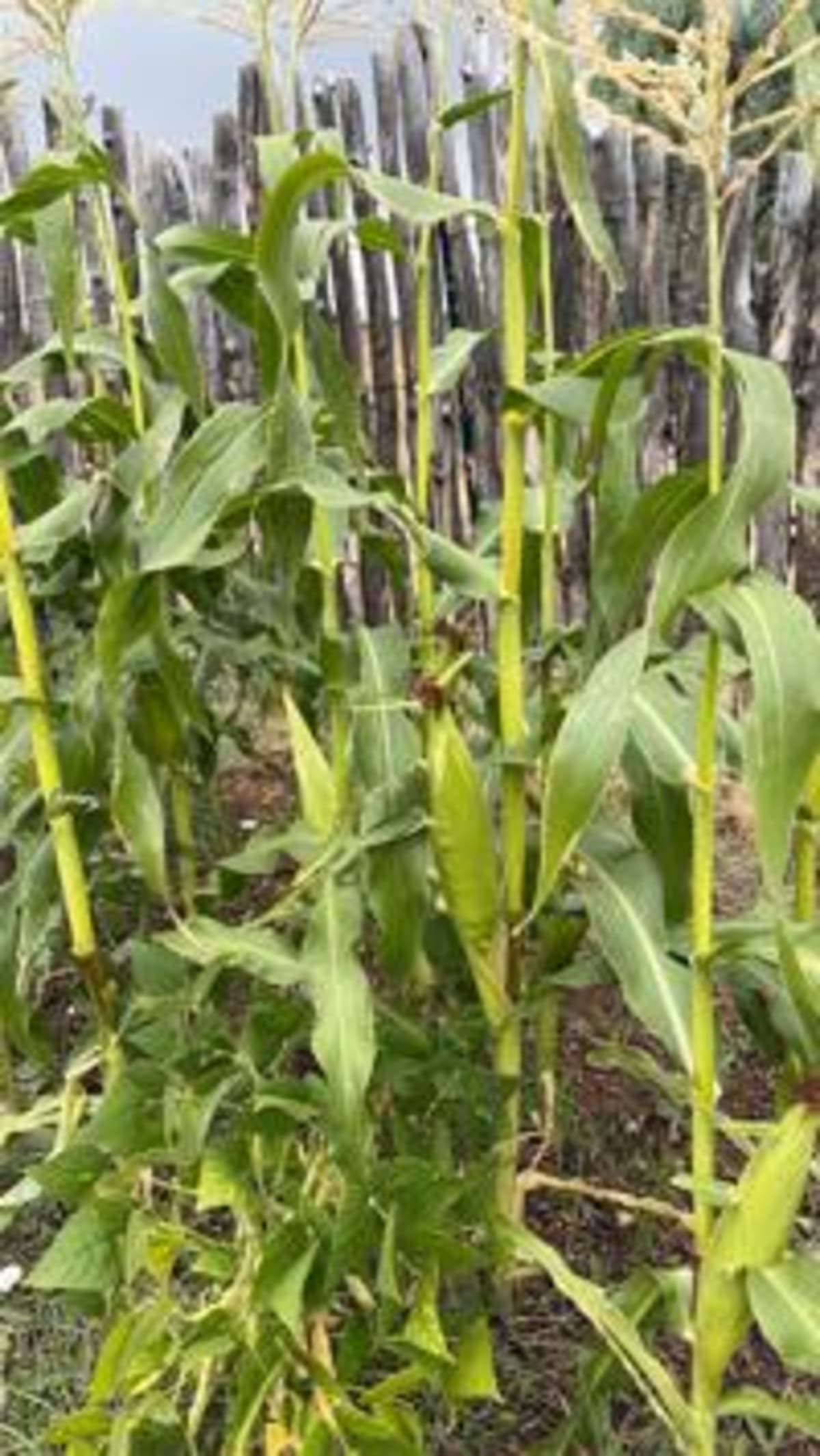
Now retired in Arroyo Seco, the Rubins grow traditional New Mexico milpa: corn, beans and squash planted together in the Native American tradition. Their garden blends Leopold's conservation ideals with ancient agricultural wisdom.
The Ripple Effect
Victory gardens didn't end with the World Wars. Today's revival connects modern concerns about food security and sustainability with time-tested practices. Thousands of Americans are rediscovering that growing your own food builds community resilience while reducing environmental impact.
The Leopold legacy shows how good ideas transcend their original purpose. What started as wartime necessity became a pathway to understanding our relationship with the land.
From George Washington Carver's soil science to Aldo Leopold's New Mexico experiments to backyard gardens across America today, the victory garden tradition keeps growing new roots.
More Images
Based on reporting by Google News - Historic Victory
This story was written by BrightWire based on verified news reports.
Spread the positivity!
Share this good news with someone who needs it
%2Ffile%2Fattachments%2F2992%2F688635092_1403790941795291_6434669868162454614_n_856400.jpg)