Pet Dogs Now Sniffing Out Invasive Bugs to Save US Vineyards
Dogs are joining the fight against spotted lanternflies, an invasive pest threatening America's $320 billion wine industry. A citizen-science program is training everyday pet dogs to detect the insect's eggs before they hatch.
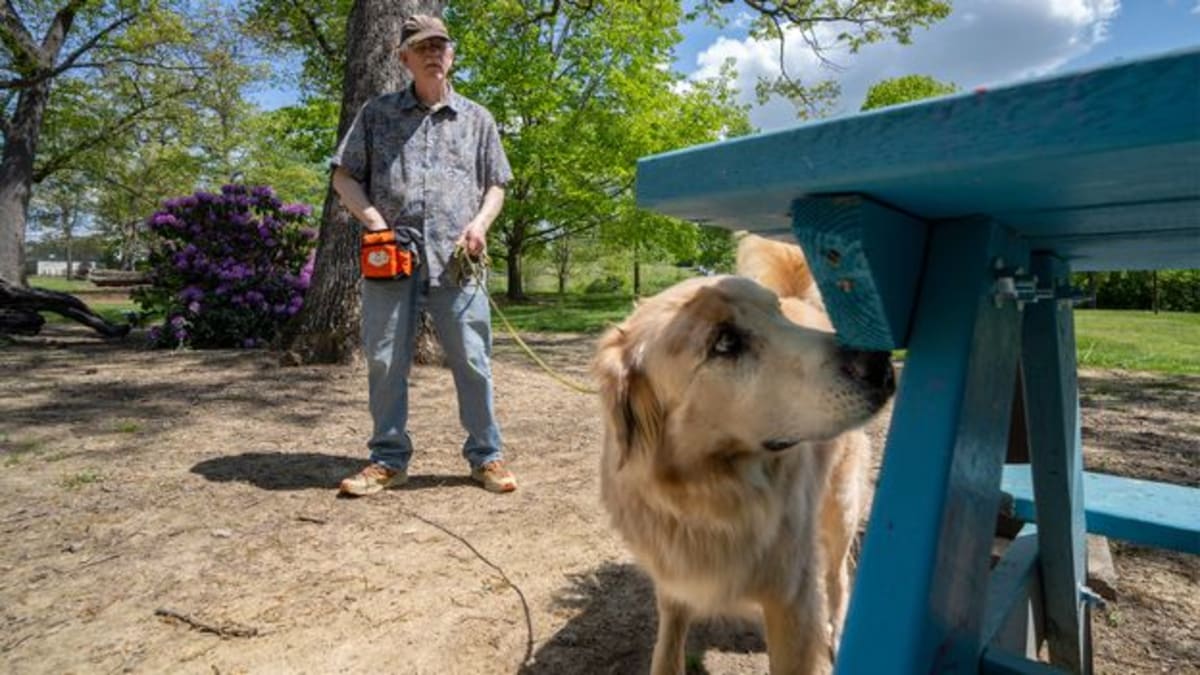
Fozzie the labrador mix washed out of service dog training, but he just found his true calling: saving America's vineyards one sniff at a time.
The 11-year-old rescue is part of a team of pet dogs trained to detect spotted lanternfly eggs on farms across Virginia. These invasive insects, native to China and Vietnam, have become an ecological nightmare since arriving in the US in the 2010s.
Spotted lanternflies feast on more than 70 plant species, with a particular appetite for grapevines. They can destroy up to 90% of grape crops, threatening the very existence of American wine production. In Pennsylvania alone, they already cost $50 million annually in agricultural damage.
The bugs arrived as hitchhikers on imported goods and spread fast. They now infest 19 US states and are expected to reach California, which produces 95% of US wine exports, by 2033. The total US grape and wine industry is worth $320 billion each year.
Here's where the good boys and girls come in. Professional sniffer dogs cost upwards of $145,000 to train and deploy. Virginia Tech professor Erica Feuerbacher had a better idea: turn pet dogs into volunteer detection teams.
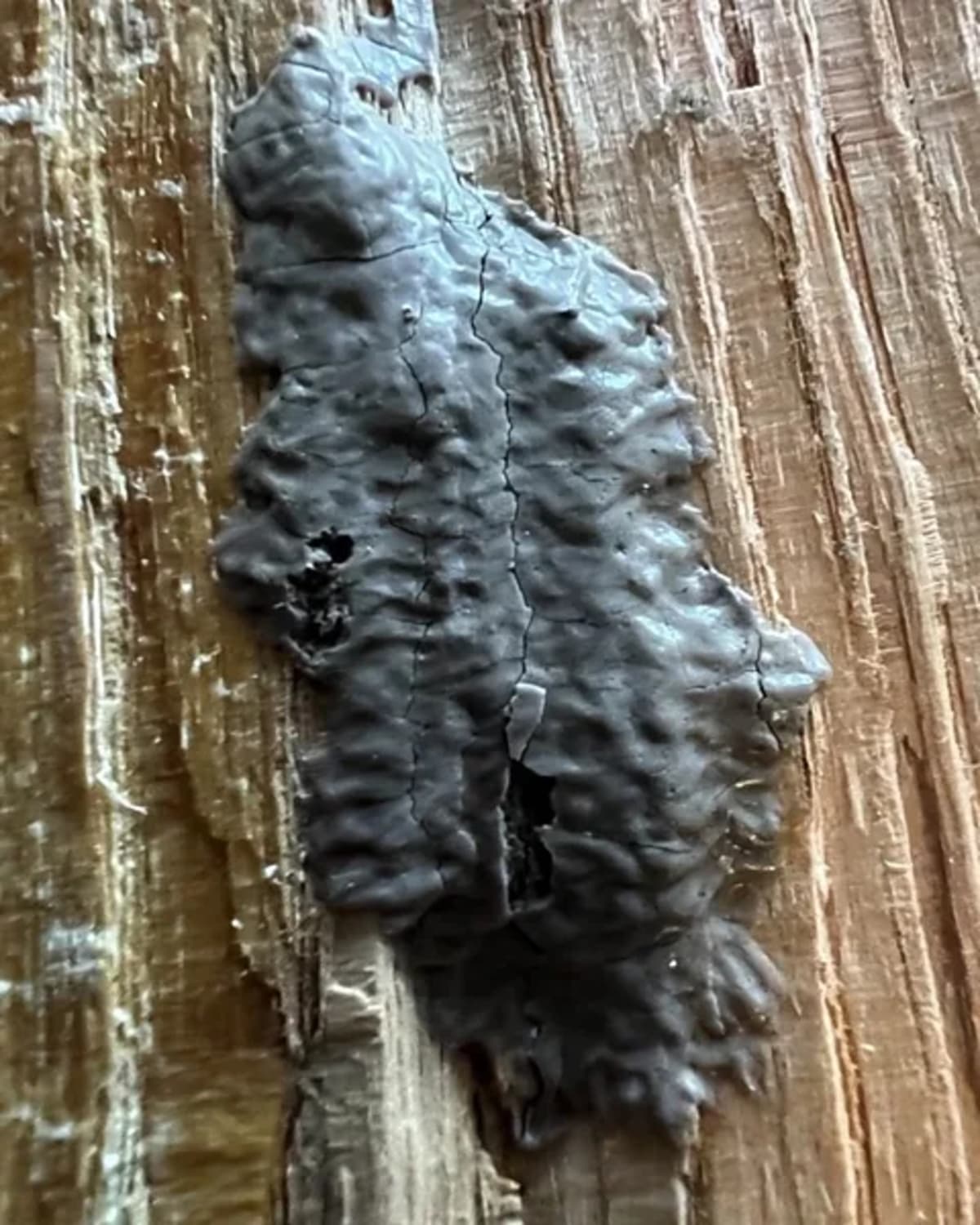
The program trains everyday pets to find egg masses that human eyes easily miss but dog noses can't. Each mass contains 30 to 50 eggs. When dogs find them, handlers can destroy the eggs before they hatch.
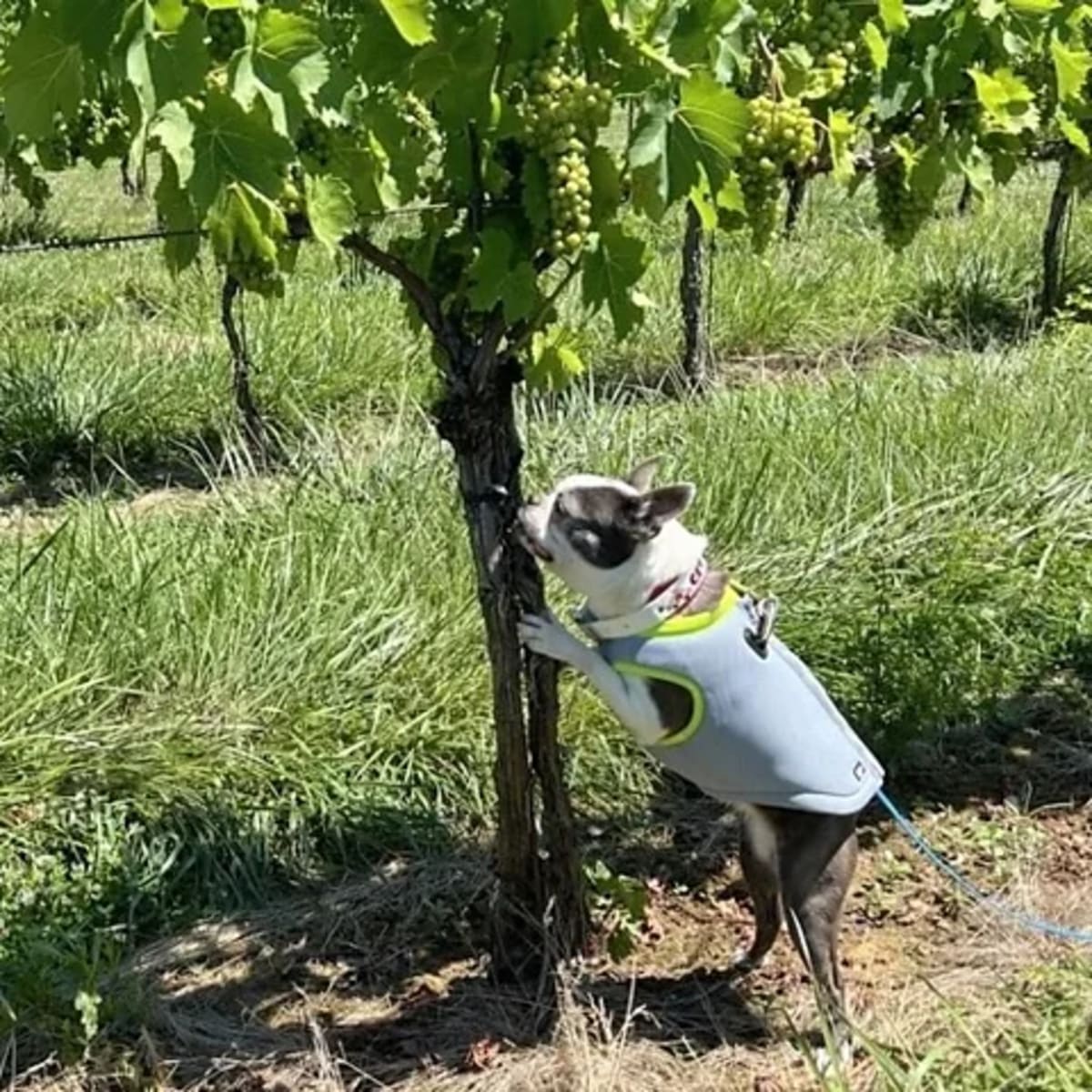
The results are surprising even the experts. Any breed can learn this work, including unconventional choices like pugs. Data shows that smaller breeds can sometimes outperform traditional working dogs like German shepherds on certain tasks.
Scott Hurst, Fozzie's owner, watched his dog transform from a training program washout to an environmental hero. On a humid Virginia day at a berry farm in Blacksburg, Fozzie eagerly wove through rows of bushes, nose to the ground, signaling each discovery with pride.
The Ripple Effect
This citizen-science approach is proving that everyday people and their pets can tackle massive environmental challenges. By training volunteers instead of relying solely on expensive professional dogs, the program creates an affordable, scalable solution to a problem that could otherwise devastate American agriculture.
The teams are learning from South Korea, which faced its own spotted lanternfly invasion in 2004 and successfully managed it through multiple strategies including egg mass removal. Now American dogs are writing their own chapter in this success story.
Every egg mass these four-legged volunteers find represents dozens of destructive insects that will never hatch, protecting farms, forests and the livelihoods of thousands of vineyard workers across the country.
More Images

Based on reporting by BBC Future
This story was written by BrightWire based on verified news reports.
Spread the positivity!
Share this good news with someone who needs it

%2Ffile%2Fattachments%2F2992%2F688635092_1403790941795291_6434669868162454614_n_856400.jpg)