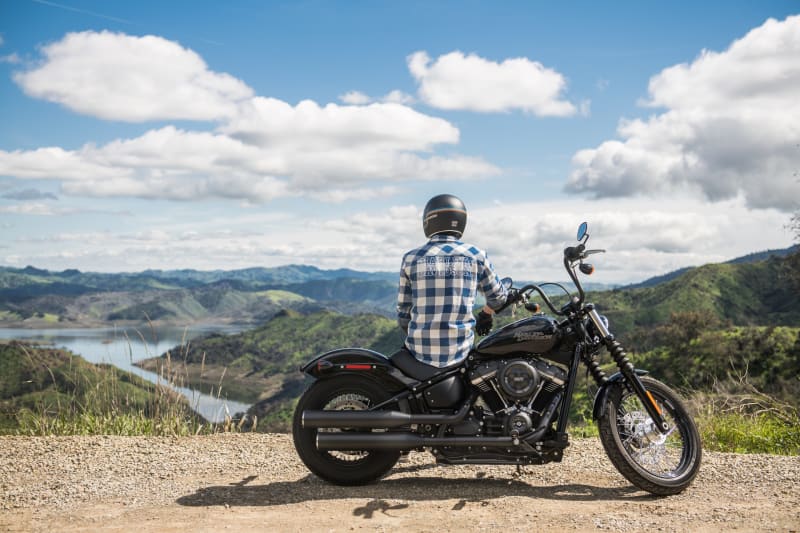
Motorcycling Reduces Stress While Boosting Focus, Study Finds
Riding a motorcycle might be one of the most unexpected paths to mindfulness, according to new research showing the high-risk activity actually lowers stress hormones while improving attention. A clinical psychologist explains why movement, not stillness, helps some people find mental clarity.
A clinical psychologist has discovered her most mindful moments don't come from meditation cushions but from riding her motorcycle at full speed.
Dr. Judith Roberts says the seemingly dangerous activity creates a unique mental state where everyday worries simply disappear. The reason isn't fear but something more surprising: total presence.
Research backs up what many riders already know. A study on motorcycling's mental and physical effects found that riding actually reduces stress hormones, despite being a high-risk activity. The intense concentration required leaves no mental space for ruminating on daily anxieties.
The same research revealed improvements in focused attention, sensory awareness, and the ability to ignore distractions. Riders develop better situational awareness, constantly scanning their environment and predicting what might happen next.
Motorcycling demands engagement from every part of the body and mind. Core muscles work to maneuver the heavy bike while all limbs control braking, clutch, and gears. Mentally, riders must process road conditions, traffic, weather, and unpredictable drivers in split seconds.
This total absorption is what makes motorcycling a form of mindfulness, even though it looks nothing like traditional meditation. The activity itself does the work of capturing attention, without any deliberate effort to observe thoughts or practice non-judgment.
Why This Inspires
This research challenges the idea that mindfulness only comes from sitting still. For people who find traditional meditation distressing or boring, high-demand activities like motorcycling offer another path to emotional regulation and stress reduction.
The findings matter especially for trauma survivors and those with certain mental health conditions. Sitting quietly with their thoughts can sometimes intensify intrusive memories rather than soothe them.
Similar benefits appear in other absorbing pursuits like rock climbing and athletic performance. What matters is full engagement, both mentally and physically, in purposeful activity.
Roberts notes that mindfulness has spread everywhere, from therapy rooms to social media promising instant calm. But the popular practice has limits and isn't suitable for everyone, particularly as a cure for serious mental illness or structural problems like poverty and trauma.
The good news is that mindfulness isn't one-size-fits-all. Whether through motorcycle rides, yoga, rock climbing, or breathing exercises, the goal remains the same: being fully present in the moment.
For some people, finding stillness means moving forward at full throttle.
More Images


Based on reporting by Medical Xpress
This story was written by BrightWire based on verified news reports.
Spread the positivity!
Share this good news with someone who needs it