Mozambique Farmers Tackle Climate Change with Greenhouses
Mozambique is helping farmers escape unpredictable rainfall by introducing greenhouse farming and boreholes that provide year-round crop production. The strategy combines irrigation solutions with locally produced seeds and better training to build resilience against climate shocks.
Farmers in Mozambique are breaking free from unpredictable weather patterns that have threatened their livelihoods for years. The Ministry of Agriculture is rolling out greenhouses and boreholes across the country to help growers produce vegetables all year long, regardless of rainfall.
The solution addresses a growing crisis facing African agriculture. Climate change has made traditional rain-dependent farming increasingly unreliable, leaving communities vulnerable to crop failures and food shortages.
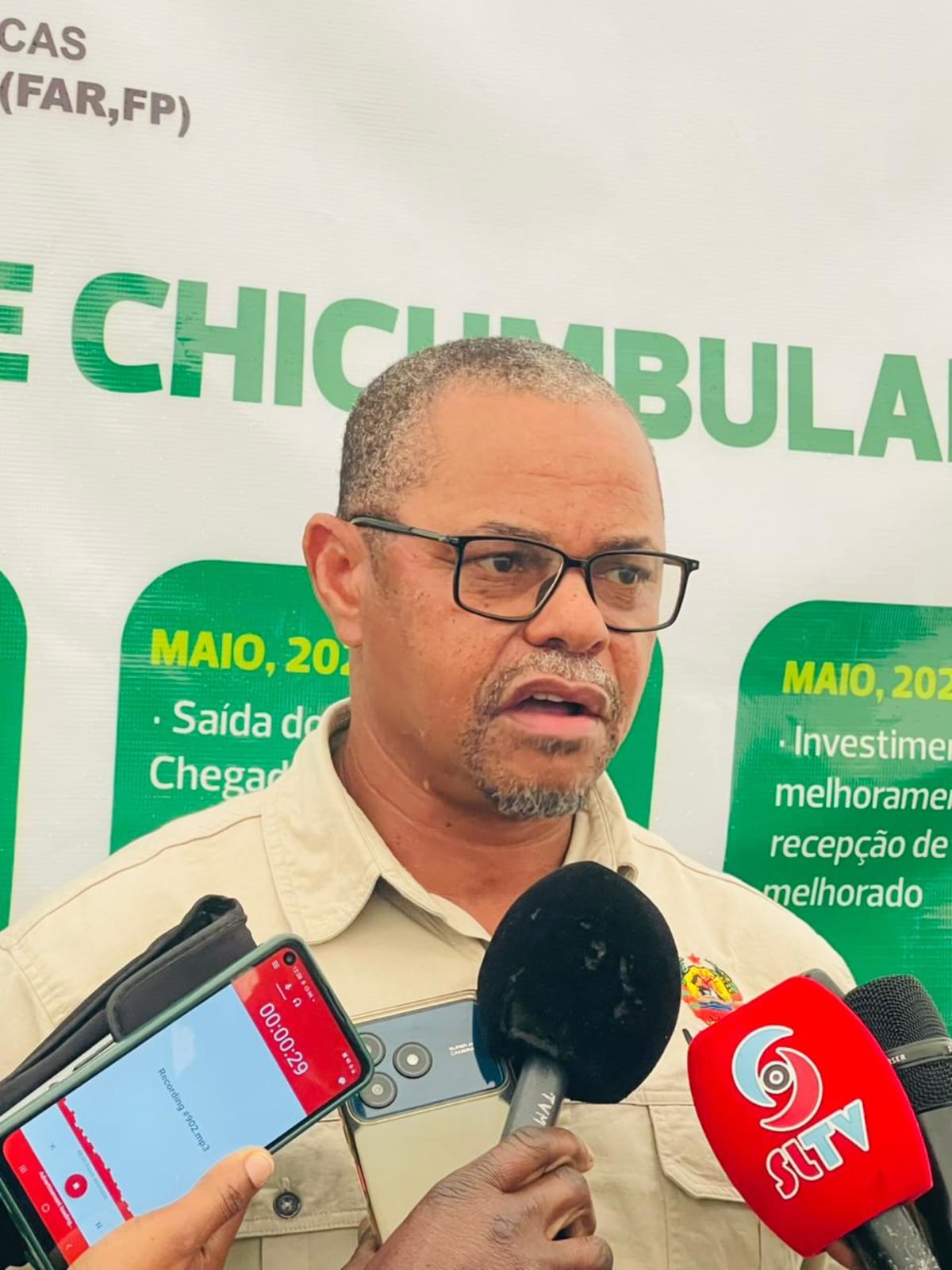
Jabula Zibia, National Director of Agriculture, shared the vision during a recent visit by European parliamentarians to projects in Manhiça district, southern Maputo province. The International Fund for Agricultural Development supports these initiatives, which demonstrate how smart infrastructure can protect farmers from climate uncertainty.
The government plans to rehabilitate irrigation systems damaged by floods and drill more boreholes to expand water access. This approach gives farmers control over their water supply instead of waiting helplessly for rain that may never come.
The strategy goes beyond just infrastructure. Mozambique is partnering with the country's Agricultural Research Institute to produce first-generation seeds locally, reducing dependence on expensive imports and ensuring farmers have access to varieties suited to their conditions.
Training programs complement the new technology because equipment alone won't transform agriculture. Extension services are teaching farmers how to maximize their greenhouse yields and maintain irrigation systems, turning tools into real productivity gains.
The Ripple Effect
German MP Johannes Wagner witnessed firsthand how international cooperation can transform communities when support reaches people directly. He saw farmers taking initial assistance and scaling it up to benefit their neighbors, creating a multiplying effect that extends far beyond the original investment.
The parliamentarian promised to advocate for continued support in Germany and Luxembourg, recognizing that small investments in climate-smart agriculture can yield massive returns in food security and community resilience.
Mozambique's approach offers a template for other African nations wrestling with similar climate challenges. By combining water infrastructure, improved seeds, mechanization, and knowledge transfer, the country is building a farming system that works with climate realities rather than against them.
These greenhouses represent more than just buildings where vegetables grow. They're symbols of communities refusing to be victims of changing weather patterns and instead taking control of their food future.
More Images


Based on reporting by Google News - Climate Solution
This story was written by BrightWire based on verified news reports.
Spread the positivity!
Share this good news with someone who needs it