Mumbai Gets 238 New AC Train Rakes by 2029
Mumbai's commuters are getting 238 new air-conditioned train rakes starting in 2027, promising metro-level comfort on the city's busy suburban railway network. The upgrades are part of a massive transport makeover that includes new metro lines, tunnels, and roads to save millions of people time every single day.
Millions of Mumbai commuters who squeeze into packed local trains each day just got some of the best news they've heard in years.
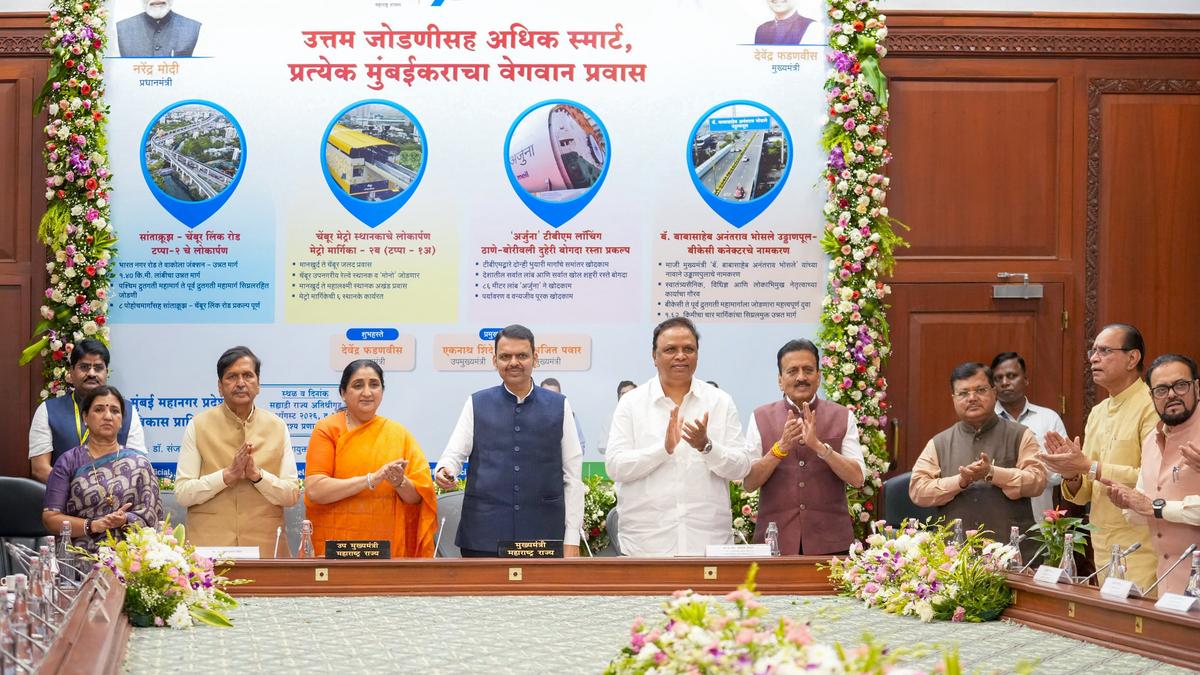
India's financial capital is getting 238 brand new air-conditioned train rakes between 2027 and 2029, Maharashtra Chief Minister Devendra Fadnavis announced Thursday. The trains will be manufactured at the same facilities that produce the country's premium Vande Bharat trains, bringing metro-level comfort to the suburban railway network that carries over 7 million passengers daily.
The first batch arrives in 2027, with production split between three coach factories in Chennai, Kapurthala, and Raebareli. For regular commuters who've endured sweltering heat and crushing crowds for decades, this represents a transformative upgrade to their daily lives.
But the AC trains are just the beginning. At the same event, Fadnavis inaugurated several game-changing projects designed to untangle Mumbai's notorious traffic jams and slash commute times across the metropolitan region.
The new Chembur Metro Station now connects three different transit systems within walking distance: metro, suburban rail, and monorail. This sixth station on Metro Line 2B gives commuters genuine choices for getting around, and officials expect 60 to 70 kilometers of new metro lines to open this year alone.
A newly completed elevated corridor now links the Bandra-Kurla Complex directly to the Eastern Express Highway, bypassing congested bottlenecks in Kalina, Vakola and Kalanagar. The 1.2 kilometer stretch completes the final piece of a six-link project that began in 2018 to decongest one of Mumbai's busiest business districts.
Perhaps most ambitious is the twin-tunnel project boring through Sanjay Gandhi National Park. When complete, the 11.85 kilometer tunnel will connect Thane and Borivali, cutting the distance by 12 kilometers and saving commuters about an hour of travel time. The 13.3 meter diameter tunnels will be India's largest.
The Ripple Effect
Every minute saved on Mumbai's roads multiplies across millions of lives. When a parent gets home an hour earlier, that's time for dinner with kids, homework help, or simply rest after a long day.
These infrastructure projects represent more than concrete and steel. They're investments in quality of life for a city where the average commuter spends 2 to 3 hours traveling each day. Business productivity increases when employees aren't exhausted from brutal commutes. Air quality improves when traffic flows smoothly instead of idling in jams.
The projects also signal something hopeful: government officials are actually listening to what residents desperately need and taking action. In a city that's grown faster than its infrastructure for decades, catching up matters enormously.
By 2029, Mumbai's transport landscape will look radically different than today, with hundreds of new AC trains gliding along suburban routes, expanded metro coverage crisscrossing the city, and tunnels cutting through previous bottlenecks.
For millions who call Mumbai home, better commutes mean better lives.
Based on reporting by The Hindu
This story was written by BrightWire based on verified news reports.
Spread the positivity!
Share this good news with someone who needs it