Mumbai Installs Cameras to End Illegal Dumping for Good
Mumbai is tackling its trash problem head-on with a comprehensive plan that includes surveillance cameras at dumping hotspots and real penalties for litterbugs. The initiative promises cleaner streets and a blueprint for cities worldwide struggling with waste management.
Mumbai just launched an ambitious campaign to transform its streets from garbage-prone to gleaming clean, and it's using smart technology to make it stick.
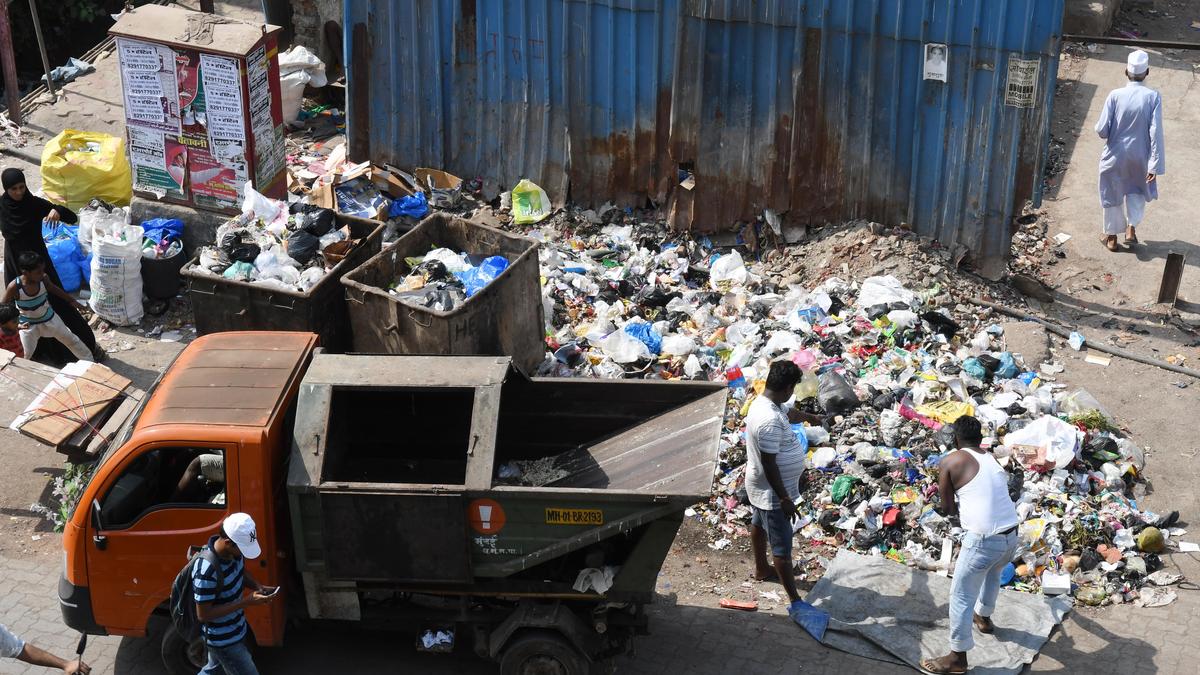
The Brihanmumbai Municipal Corporation is installing CCTV cameras at notorious illegal dumping sites across the city following a directive from the Bombay High Court. These aren't just empty threats. The corporation is partnering with police to enforce strict penalties against anyone caught littering or dumping waste illegally.
Municipal Commissioner Ashwini Bhide ordered all ward offices to conduct regular sanitation inspections starting August 1st. The goal is crystal clear: eliminate every Garbage Vulnerable Point, those frustrating spots where trash keeps piling up no matter how often it's cleared.
The approach is refreshingly strategic. Officials have mapped every problem area ward by ward on Google Maps, studying what types of garbage accumulate and identifying gaps in waste management. This data-driven method means solutions will target actual problems rather than just symptoms.
But the initiative doesn't stop at garbage. The corporation is simultaneously clearing footpaths of encroachments along major roads, keeping unauthorized vendors and illegal ramps at bay. Officials are also tackling traffic bottlenecks and prioritizing pothole complaints submitted through the city's Marg App.
The Ripple Effect
Mumbai's comprehensive approach could become a model for megacities everywhere facing similar challenges. By combining technology, enforcement, and systematic mapping, the city is addressing the root causes of urban mess rather than playing an endless game of cleanup.
The integration of different civic issues, from waste management to traffic flow to pedestrian access, shows how interconnected urban quality of life really is. When one area improves, the benefits cascade.
What makes this particularly promising is the accountability built into the system. Regular inspections, mapped hotspots, and camera surveillance create transparency that residents can monitor and officials can't ignore.
Mumbai's 20 million residents are about to see whether their city can turn the corner on cleanliness, one camera and one penalty at a time.
Based on reporting by The Hindu
This story was written by BrightWire based on verified news reports.
Spread the positivity!
Share this good news with someone who needs it