Mumbai Rehouses 97,000 Families Since 1995
Over 97,000 families displaced by infrastructure projects in Mumbai have received new homes since 1995, thanks to a slum rehabilitation program that turns city development into opportunity. The program has made metro lines, highways, and public buildings possible while giving thousands a fresh start. ##
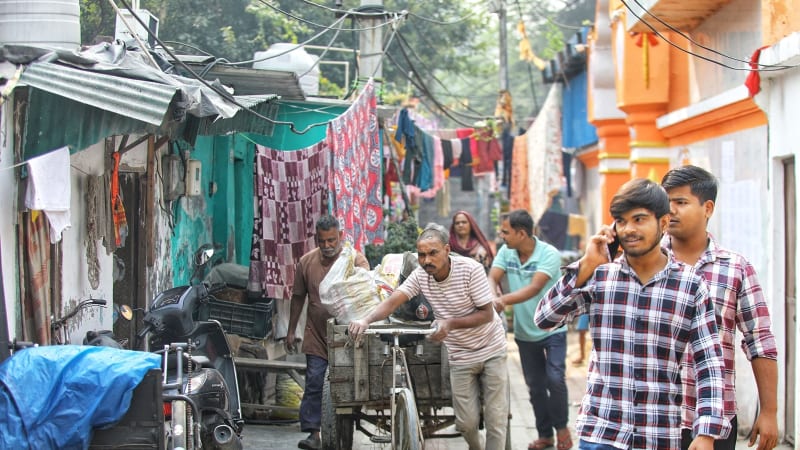
Mumbai has found a way to build the city of tomorrow without leaving anyone behind. Since 1995, the Slum Rehabilitation Authority has provided 97,368 new homes to families displaced by infrastructure projects across India's most populous city.
The program works through a smart partnership model. When developers build slum redevelopment projects, they must construct additional apartments for families affected by civic projects. These homes then transfer to government agencies like the Mumbai Municipal Corporation at a fixed cost of about $15,000 per unit.
The numbers tell a story of steady progress. The Municipal Corporation received 26,762 homes for displaced families. The Mumbai Metropolitan Region Development Authority got 51,888 homes for their projects.
Metro construction alone has rehoused 11,429 families. Another 8,909 families received apartments directly through the authority.
Recent projects show the system in action. This year, 95 families moved into new homes after being displaced by the Thane Borivali Twin Tunnels project. Another 135 homes are currently under construction for that same project.
The program even tackled a decades-old challenge. Officials relocated 111 families who had been living illegally inside Sanjay Gandhi National Park. Their relocation had been stuck in court orders for years.
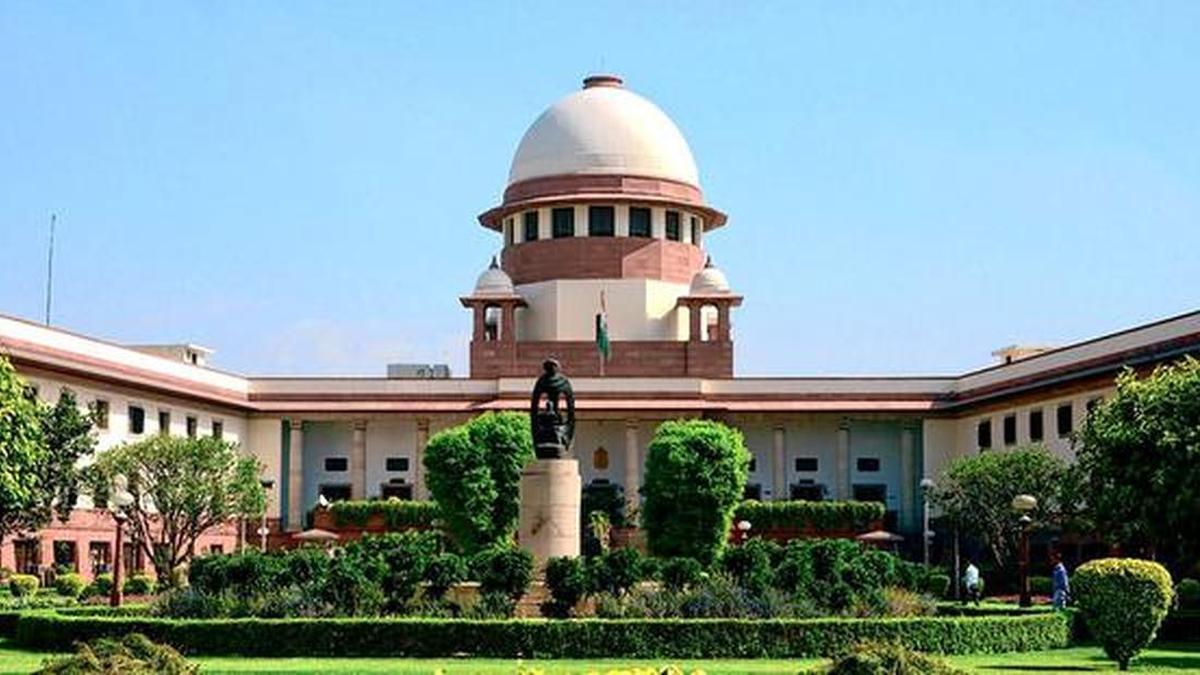
When Mumbai built its new Bombay High Court complex in Bandra East, 211 families received new apartments. Another 62 families got homes when the city constructed the Annabhau Sathe memorial in Ghatkopar.
The Ripple Effect
This housing program has become the engine that powers Mumbai's transformation. Without it, the city's ambitious metro expansion would have stalled. Major highways would have remained on drawing boards. Public buildings would have stayed in planning committees.
But the impact goes deeper than infrastructure. Families who once faced uncertain futures now have legal addresses. Kids can enroll in better schools. Adults can access banking services and formal employment.
Officials acknowledge the work continues. Thousands more families still need housing as Mumbai grows. The demand remains high as new projects break ground across the metropolitan region.
Three decades of patient work proves that progress doesn't require choosing between development and dignity. Mumbai's approach shows other rapidly growing cities how to move forward together, one family at a time.
##
Based on reporting by Indian Express
This story was written by BrightWire based on verified news reports.
Spread the positivity!
Share this good news with someone who needs it