Museum Creates Reconciliation Learning Space in September
A Canadian museum is dedicating an entire gallery to Indigenous truth and reconciliation education throughout September. Visitors can explore resources, read survivor stories, and reflect on the journey toward healing.
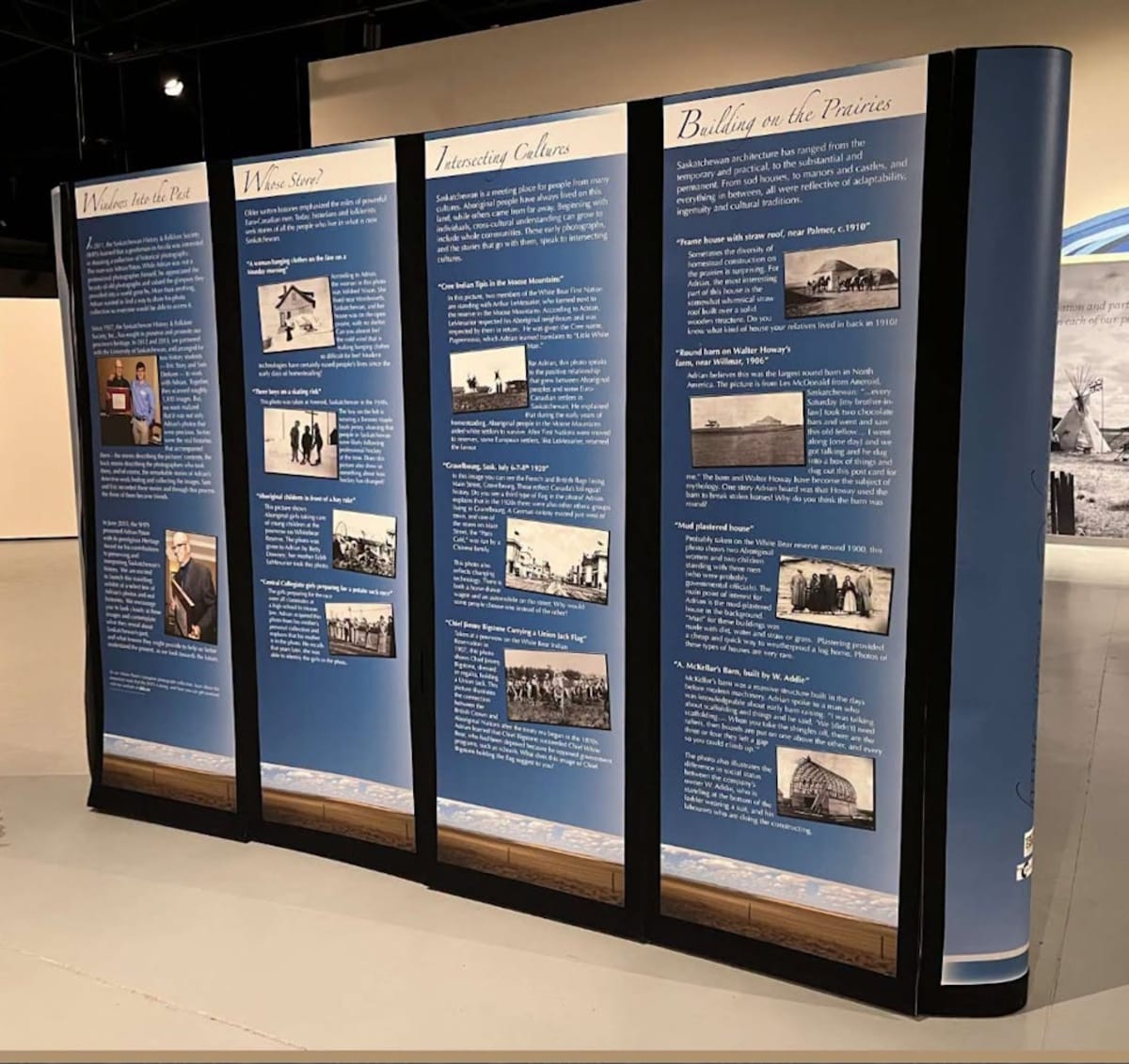
The Western Development Museum in Moose Jaw is opening its doors to a powerful conversation this September. The museum has transformed its Feature Gallery into a dedicated Truth and Reconciliation Reflection Space, giving visitors a place to learn about residential schools, Indigenous treaties, and the path forward.
The space runs throughout September and leads up to the National Day for Truth and Reconciliation on September 30th. Inside, families will find educational materials, books by Indigenous authors, and hands-on activities designed for all ages.
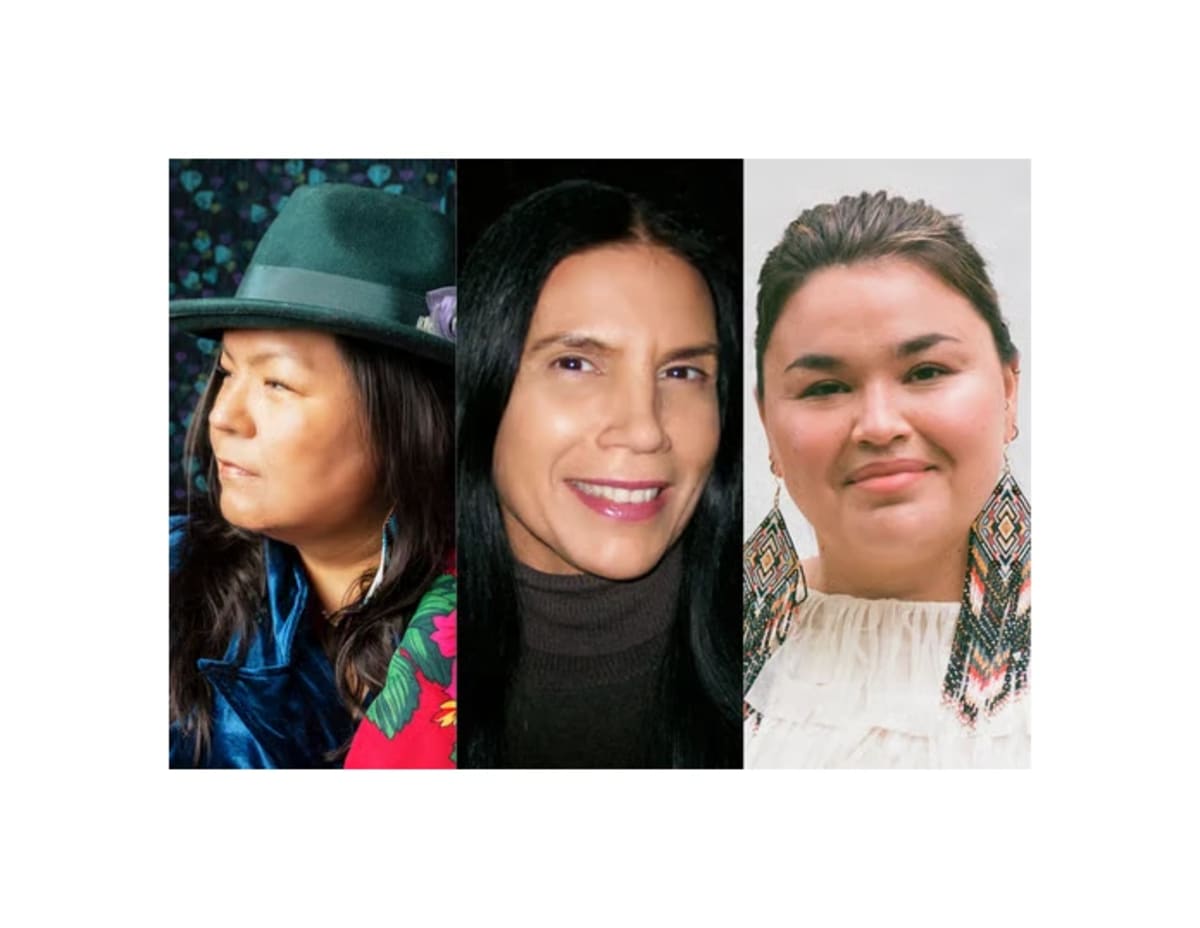
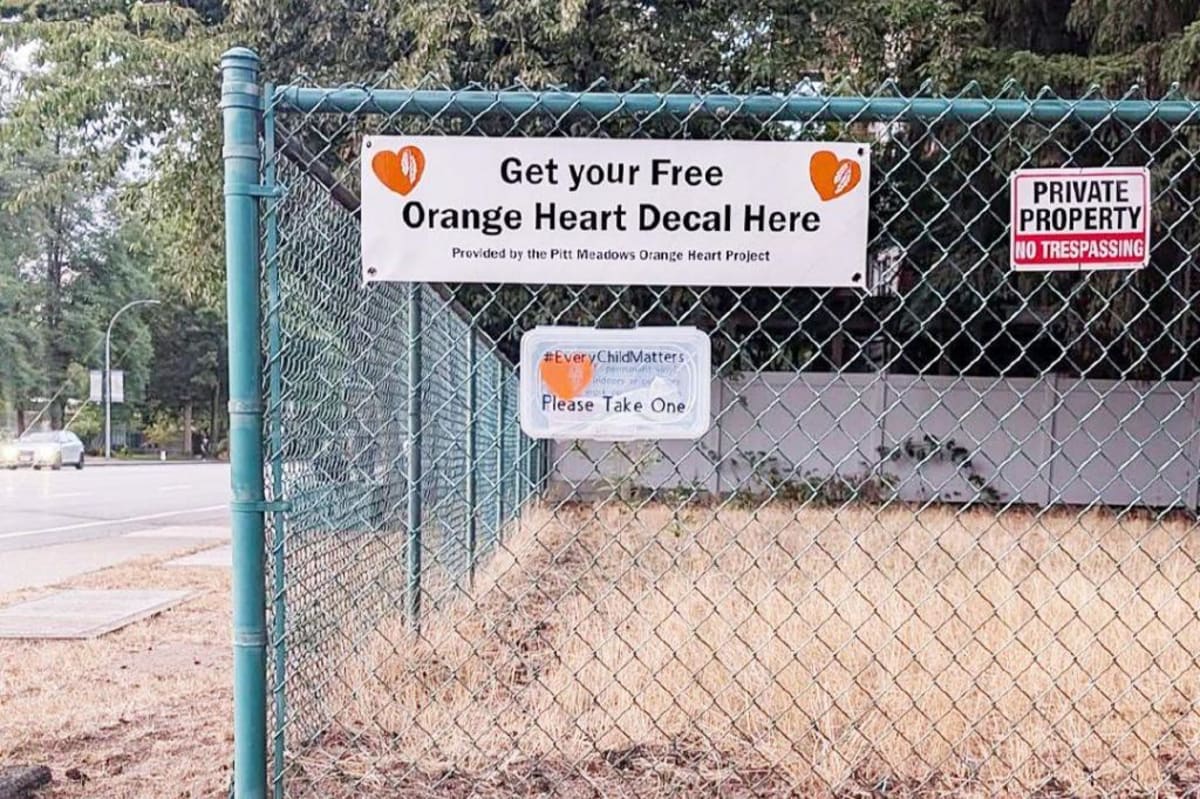
Among the display's centerpieces is the Survivors' Flag from the National Centre for Truth and Reconciliation, alongside Treaty 4, Métis, and Every Child Matters flags. The museum has also included books by Phyllis Webstad, whose personal story inspired Orange Shirt Day, a national movement honoring residential school survivors.
Visitors can participate by decorating paper orange shirts with messages of hope and reflection, then adding them to a growing gallery display. The museum is also working to screen films featuring Indigenous voices and Saskatchewan stories on September 30th.
Operations manager Karla Rasmussen says the initiative addresses a gap in how the museum has told Saskatchewan's story. "There are a number of voices that have been missing," she explained, adding that the space aims to help visitors feel welcome as they begin learning.
The museum designed the space without scheduled programming, letting people explore at their own pace. Some stories are difficult, Rasmussen acknowledges, but they're essential to understanding the region's full history.
The Ripple Effect
This reflection space represents more than a month of programming. It signals a longer commitment from the Western Development Museum to work with the Office of the Treaty Commissioner on Indigenous initiatives in the coming years.
Smaller displays like this one help the museum introduce Indigenous perspectives while larger exhibit updates are developed. "When we try to learn more, all of us are on our own treaty journey," Rasmussen said.
The approach gives community members an accessible entry point into conversations about reconciliation. By creating space for both education and reflection, the museum is inviting everyone to participate in healing and understanding.
The Truth and Reconciliation Reflection Space opens September 1st during regular museum hours, offering a meaningful way for families and individuals to honor Indigenous voices and stories.
Based on reporting by Google News - Reconciliation
This story was written by BrightWire based on verified news reports.
Spread the positivity!
Share this good news with someone who needs it