Musical Training Makes Medical Students 10% Faster Surgeons
Medical students who play instruments perform surgical tasks faster and more skillfully than their non-musical peers, according to new Hong Kong research. The findings could reshape how future doctors are trained.
Learning to play the violin as a child might just make you a better surgeon decades later.
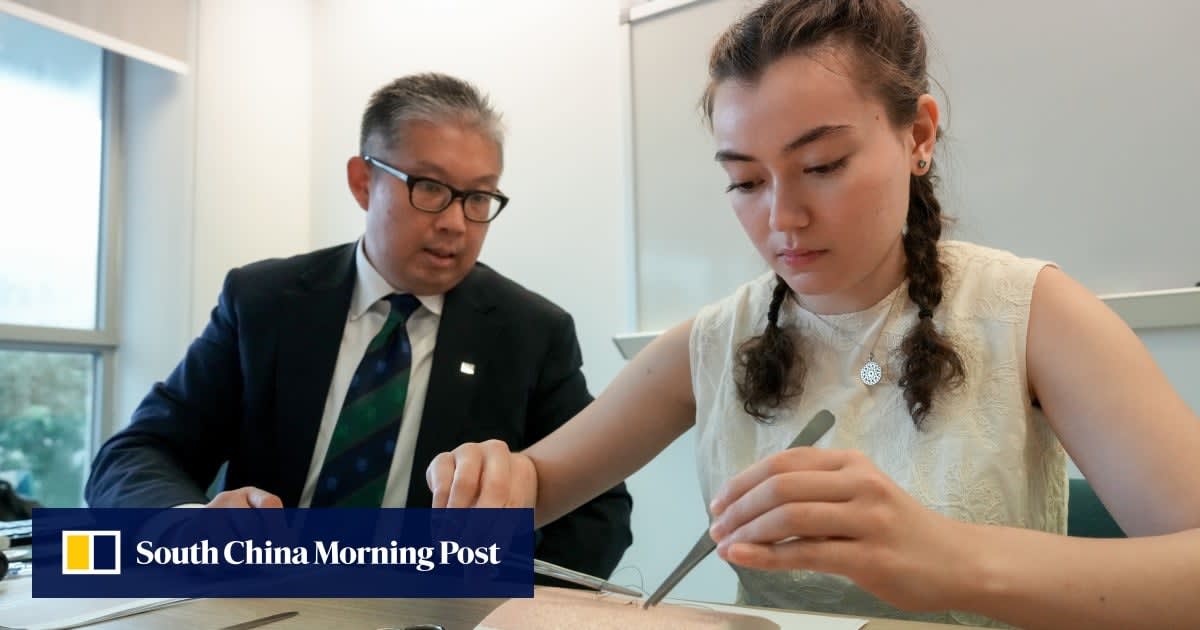
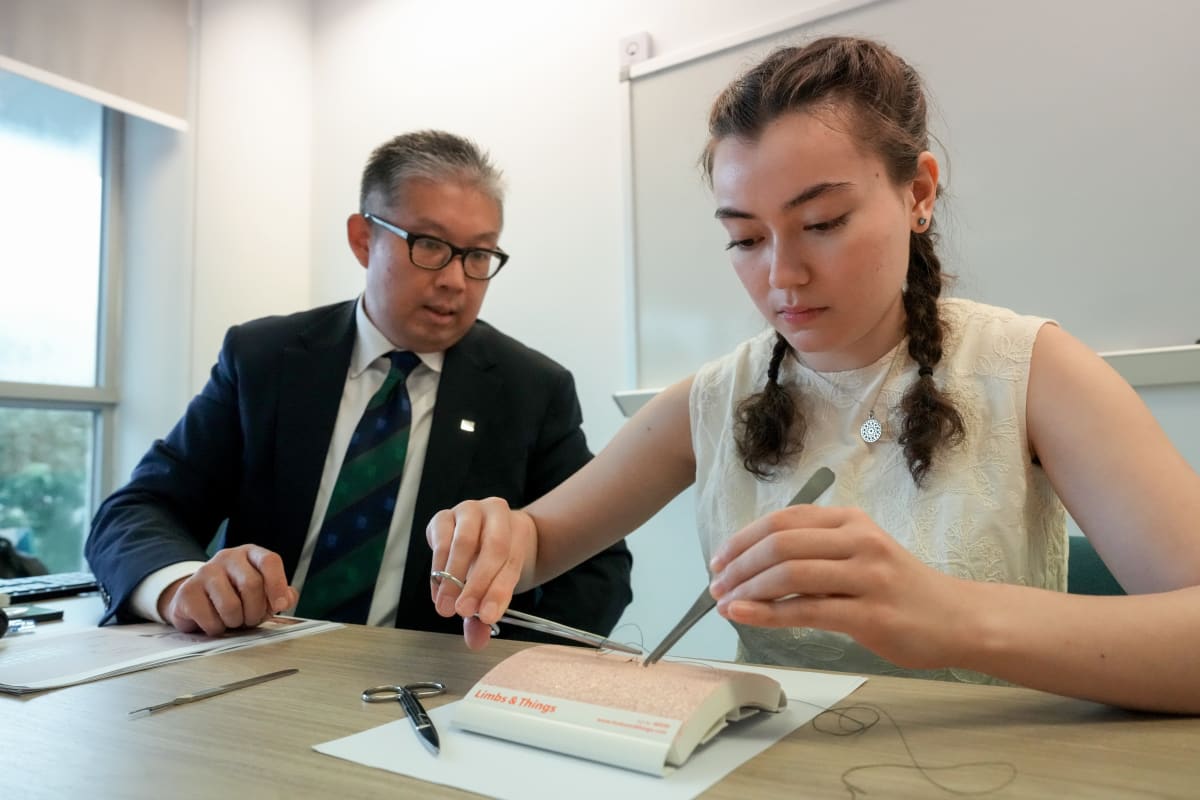
Researchers at the University of Hong Kong discovered that medical students with musical training completed surgical tasks 10% faster and more precisely than those without. The study tracked 203 final-year medical students with no prior surgical experience, giving them four weeks to learn basic techniques like making incisions and placing sutures.
The results were striking. Musicians finished their surgical assessments in an average of 223.5 seconds, while non-musicians took 249.3 seconds. That's nearly 26 seconds faster on fundamental tasks that every doctor must master.
The performance gap went beyond speed. Musicians scored an average of 8.28 out of 10 on surgical skills assessments, compared to 7.79 for non-musicians. That 6% improvement translated to noticeably cleaner, more controlled movements during procedures.
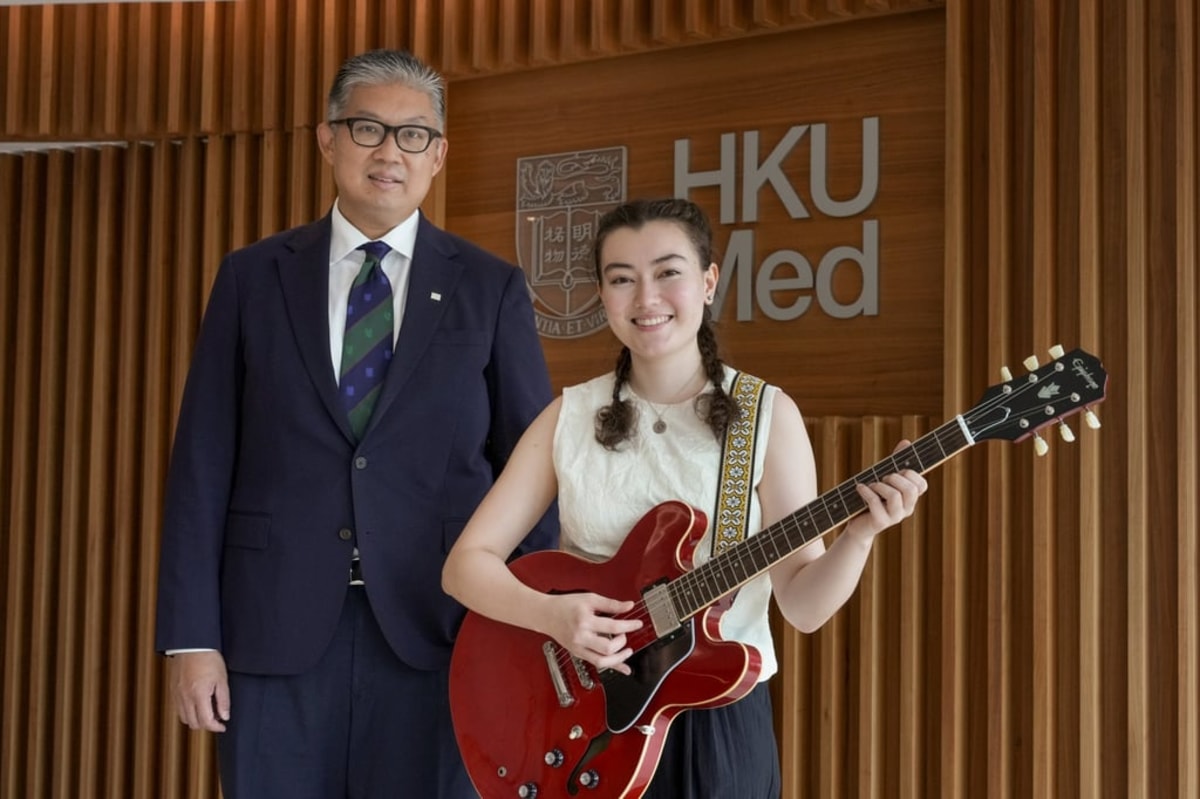
Sien Gurr, a 24-year-old medical student who started violin at age four, saw the connection firsthand. "The precision in training as a child with finger placement, coordination and stability gave me an advantage when I started training these surgical techniques," she said.
Among the 126 musicians in the study, most had serious training. More than 80% played keyboard instruments, half played multiple instruments, and 84% had achieved Grade 7 or above in music examinations.
Why This Inspires
The skills that make a good musician translate beautifully to the operating room. Hand-eye coordination, finger dexterity, and steady hands are obvious crossovers. But researchers found the mental benefits matter just as much.
Music training builds stress tolerance, concentration, and patience. These traits helped students stay calm under pressure and make better decisions during assessments. Gurr credited her performance experience with helping her manage surgical stress and "perform at a high level."
Professor Michael Co, who led the research, noted that previous studies on surgeons and music showed mixed results. This study worked differently by testing students before any formal surgical training, creating a cleaner comparison.
The findings open exciting questions about medical education. Could music lessons complement traditional surgical training? Should medical schools encourage students to pick up instruments?
For now, the message is clear: those childhood piano lessons might have been preparing you for more than recitals.
More Images

Based on reporting by South China Morning Post
This story was written by BrightWire based on verified news reports.
Spread the positivity!
Share this good news with someone who needs it