Webb Telescope Finds Black Holes That Defy Our Theories
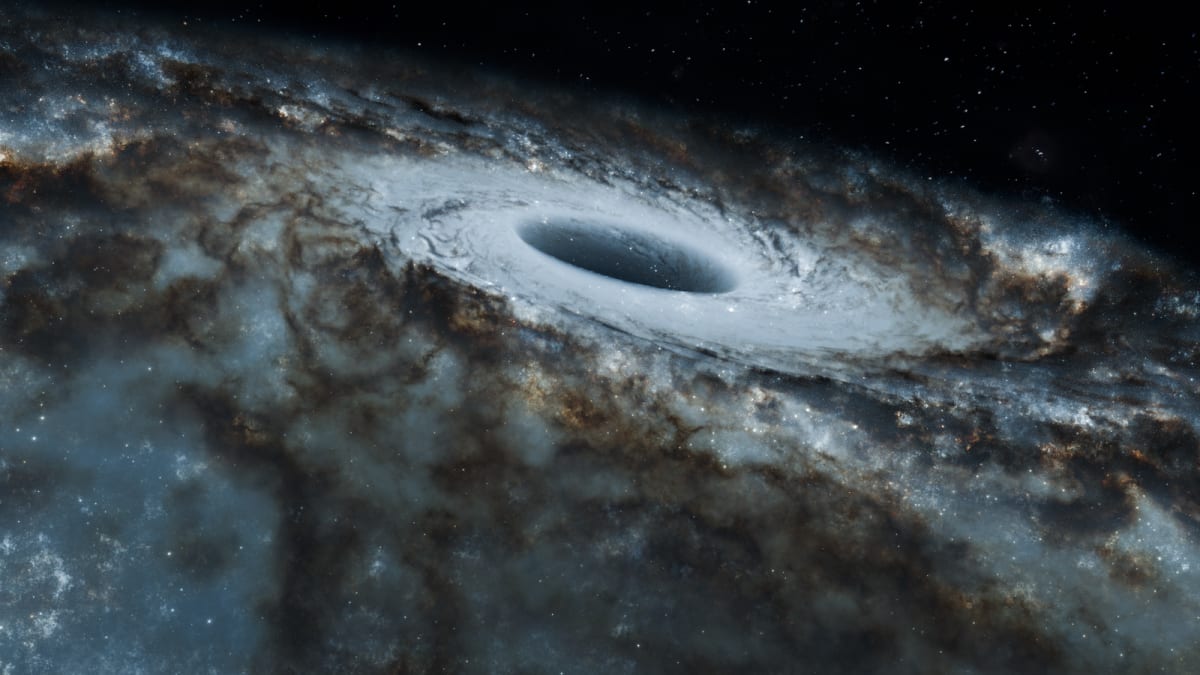
The James Webb Space Telescope is discovering black holes in the early universe that shouldn't exist according to our current understanding. Some of these giants weigh more than every star in their entire galaxy combined, forcing scientists to rethink how the universe's largest objects formed.
Astronomers thought they understood how supermassive black holes grow, but the universe just handed them a puzzle that could rewrite the rules.
The James Webb Space Telescope has spotted dozens of ancient black holes in the infant universe, some barely a billion years after the Big Bang. What's stunning scientists is their size: a few of these cosmic giants already weigh more than all the stars in their host galaxies combined.
That's not supposed to happen. For decades, the leading theory suggested black holes and galaxies grew up together, side by side, like twins developing at the same pace. The black hole would pull in gas, grow larger, and its energy would help regulate how many stars formed around it.
But these early monsters, nicknamed "little red dots" for how they appear in Webb's images, flip that story upside down. They're already enormous when the universe is still in its cosmic childhood, far too massive to have grown the slow, steady way scientists expected.
To understand why this matters, consider what we know about black holes closer to home. At the center of our Milky Way sits Sagittarius A, a black hole weighing about four million times our Sun's mass. Scientists spent two decades tracking stars orbiting this invisible point to prove it exists, work that earned a Nobel Prize in 2020.
The galaxy M87 hosts an even larger black hole at 6.5 billion solar masses. Both follow a predictable pattern: the black hole's mass matches nicely with how fast stars move in the galaxy around it. It's a relationship so tight that astronomers call it the M-sigma relation, and it held together beautifully until Webb started looking backward in time.
Why This Inspires
These oversized black holes aren't a problem for science. They're an invitation to discover something new.
When observations don't match predictions, that's exactly when breakthroughs happen. Scientists are now exploring creative explanations: maybe black holes in the early universe had access to unusually dense clouds of gas that let them grow faster, or perhaps some formed directly from collapsing gas clouds rather than from dying stars.
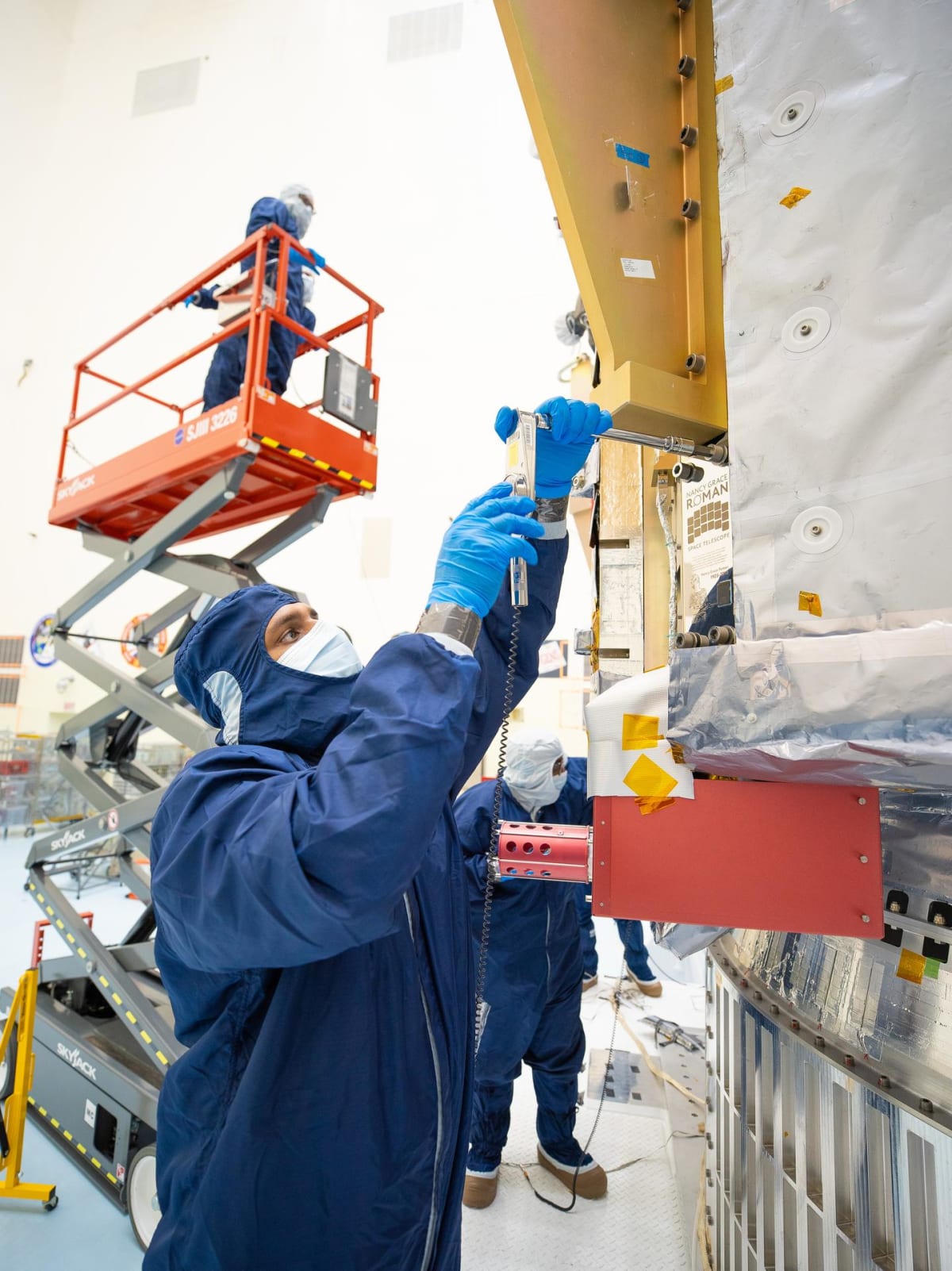
The James Webb telescope, launched in late 2021, was built precisely for moments like this. Its infrared vision can peer through cosmic dust to see the universe's first billion years, a period no telescope could access clearly before. Every surprise it delivers is a chance to understand how galaxies, stars, and the structures we see today came to be.
These findings remind us that the universe still holds secrets we haven't imagined. The little red dots are teaching us that nature found ways to build giants faster than we thought possible, and figuring out how will deepen our understanding of cosmic history itself.
More Images


Based on reporting by Google: James Webb telescope
This story was written by BrightWire based on verified news reports.
Spread the positivity!
Share this good news with someone who needs it