Musician With ALS Uses AI to Sing Again After 2 Years
Patrick Darling lost his ability to sing when ALS took his voice two years ago. Now AI technology has restored his singing voice, letting him create music and perform with his band again.
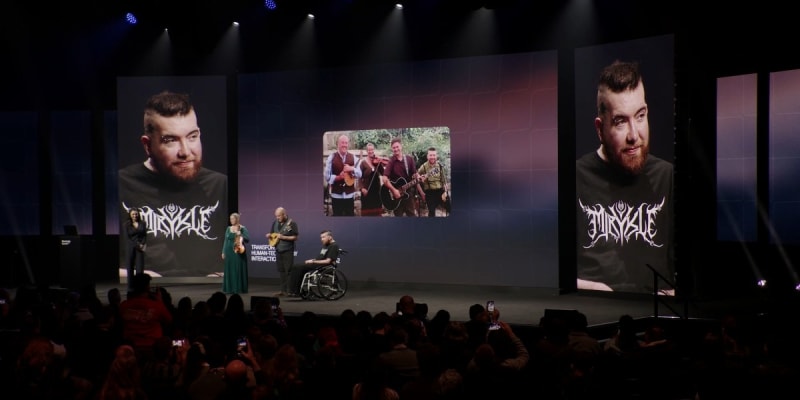
When Patrick Darling's song filled the London concert hall on Wednesday, many in the audience were moved to tears. The 32-year-old musician was performing with his bandmates for the first time since ALS stole his ability to sing two years ago.
Darling was diagnosed with amyotrophic lateral sclerosis at age 29. The disease attacks nerves that control muscles, eventually taking away the ability to move, speak, and breathe.
Music has been Darling's life since he was 14. He learned bass guitar, acoustic guitar, piano, melodica, mandolin, and tenor banjo, but singing was always his greatest love.
His bandmate Nick Cocking watched the disease progress over several years. First Darling became clumsy, then he needed to sit during performances. Eventually he couldn't play guitar or banjo anymore.
By April 2024, Darling struggled to talk and breathe at the same time. The band carried him on stage for what they thought would be his final performance.
Then a speech therapist introduced Darling to ElevenLabs, an AI company offering free voice cloning tools to people who've lost their voices to ALS, cancer, or stroke. The technology can recreate realistic voices from just minutes or even seconds of recordings.
Working with researcher Richard Cave from University College London, Darling used old recordings to recreate his speaking voice. The result amazed him.
"It sounded exactly like I had before, and you literally wouldn't be able to tell the difference," Darling said at the event, using his voice clone.
Recreating his singing voice proved harder. Darling had no studio recordings, only snippets from phone videos shot in noisy pubs and a few kitchen recordings.
But those grainy clips were enough. The AI smoothed out the raspiness and corrected off-key notes, creating a synthetic singing voice that sounds remarkably like the original.
Now Darling spends most of his time composing and producing music using his cloned voice. Another AI tool helps him turn his ideas into new songs.
Why This Inspires
Gabi Leibowitz, a speech therapist who leads ElevenLabs' impact program, says the technology isn't just about communication. It's about helping people "create again, to thrive."
Users are staying in their jobs longer and continuing activities that make them feel human. For Darling, that means returning to the stage and sharing his music with the world.
"Doing so feels more important than ever to me now," he said, his AI-generated voice carrying the emotion his body can no longer express on its own.
Technology is giving voice to the voiceless, one song at a time.
More Images
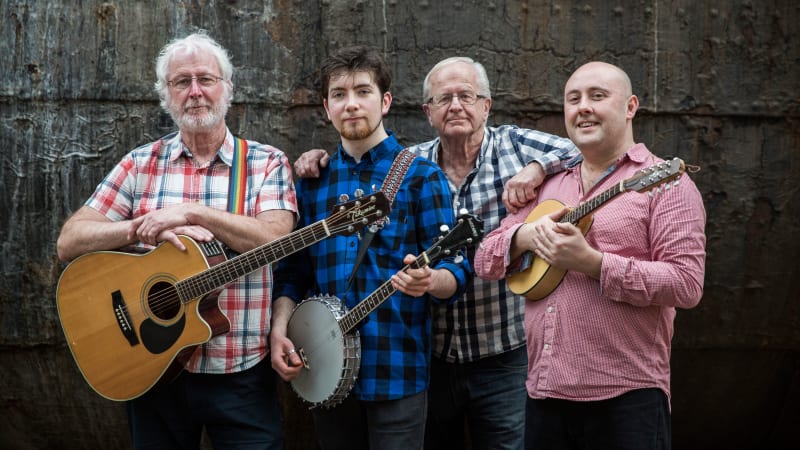
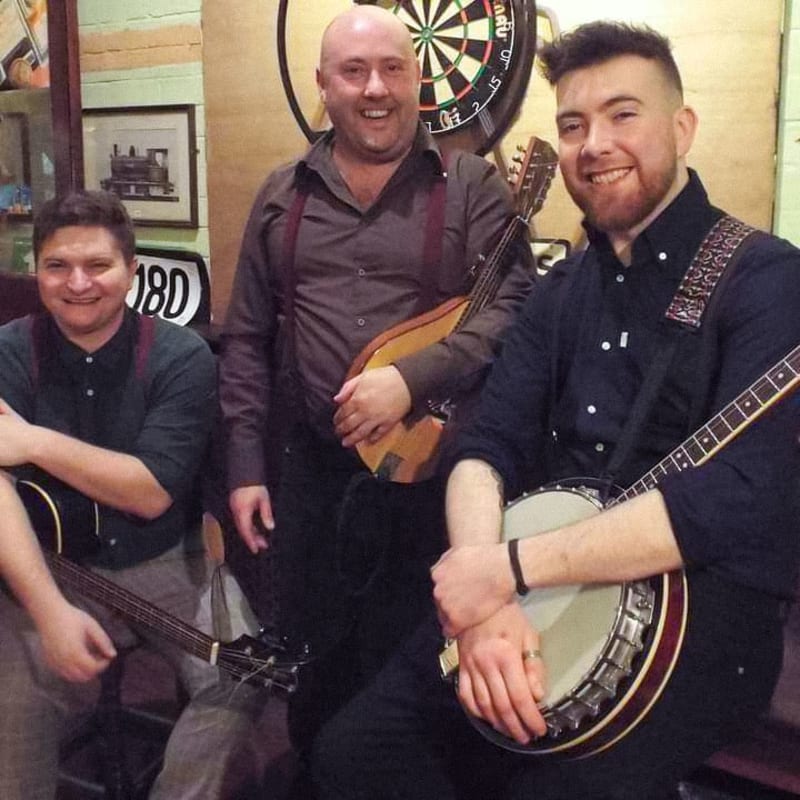
Based on reporting by MIT Technology Review
This story was written by BrightWire based on verified news reports.
Spread the positivity!
Share this good news with someone who needs it