Naked Mole-Rats Live 30+ Years, Unlocking Aging Secrets
Scientists studying a mouse-sized rodent that lives ten times longer than expected just proved one of its anti-aging tricks works in mammals. The naked mole-rat's cancer-fighting genes extended mouse lifespans when transplanted, offering real hope for human health.
A hairless desert rodent the size of a mouse is rewriting what scientists thought possible about aging, and the breakthrough just jumped species.
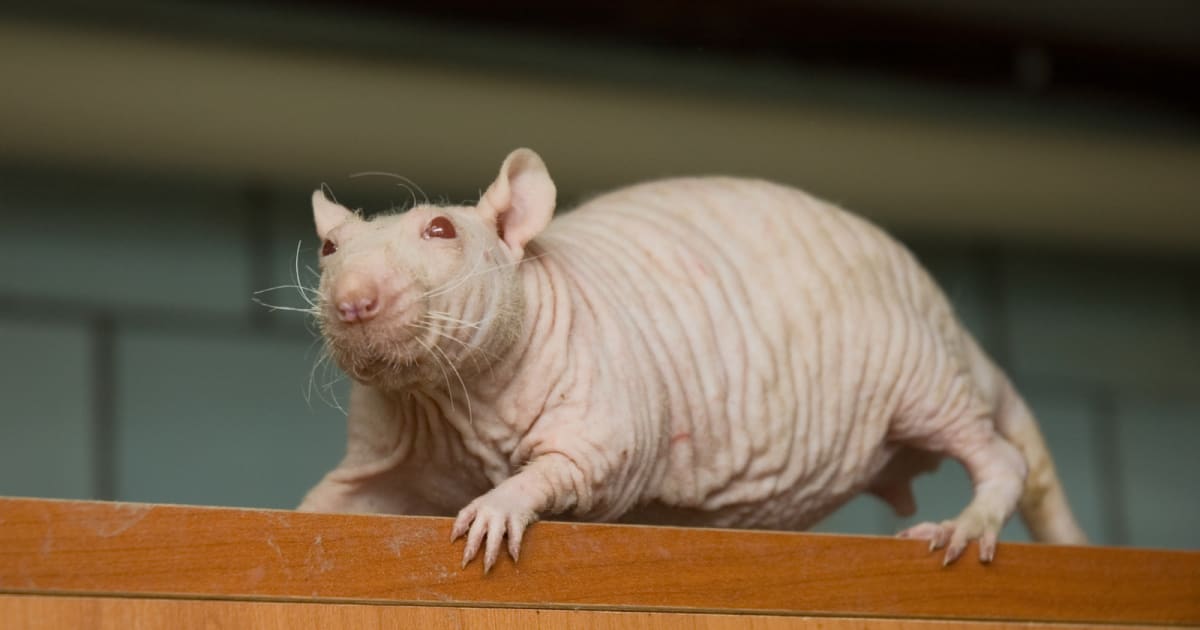
Naked mole-rats live in underground colonies beneath East Africa, and while they should die around age four like other rodents, they routinely survive past 30 years. The oldest known individual reached nearly 40, living roughly ten times longer than its size predicts.
What makes them extraordinary isn't just longevity. These animals almost never develop cancer, can survive 18 minutes without any oxygen, and show almost no physical decline as they age. Breeding females stay fertile until the end of their lives, and their risk of death doesn't climb with each passing year like it does in humans and most other animals.
Scientists call this "negligible senescence," and it's turned the naked mole-rat into one of the most studied creatures in aging research. The question was always whether their superpowers could transfer to other species.
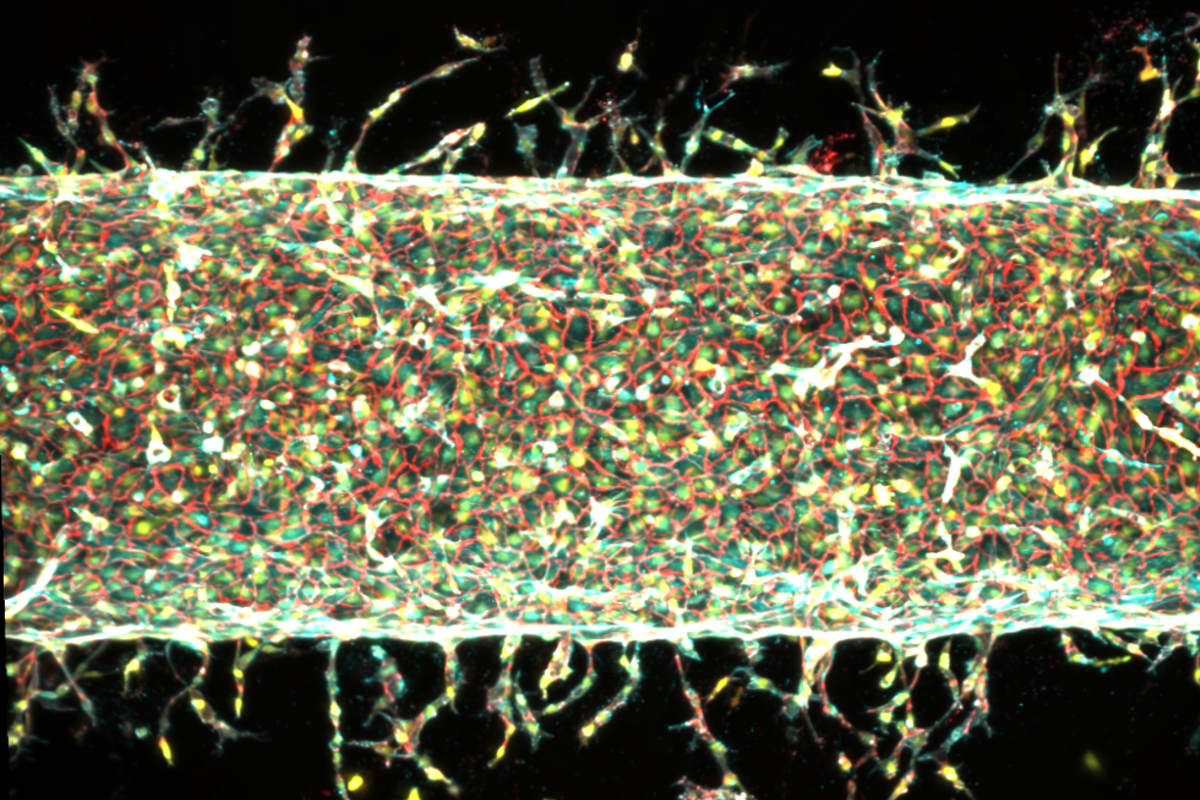
In 2013, researchers at the University of Rochester discovered the animal's cancer secret. Their tissues contain an unusually large form of hyaluronan, a molecule that sits between cells. It's more than five times the size of the human version, and it stops cells from dividing when they get crowded, blocking the runaway growth that becomes tumors.
When scientists removed this large hyaluronan from naked mole-rat cells, the cancer resistance vanished. That reversible result proved the mechanism was real, not just correlation.
The Ripple Effect
The real breakthrough came in 2023. The Rochester team inserted the naked mole-rat's hyaluronan gene into mice, and the modified mice lived longer, developed fewer tumors, and showed less age-related inflammation.
The lifespan gain was modest but real: about 4.4 percent at the median. More importantly, older mice had significantly less cancer, proving the mechanism works across different mammal species.
The oxygen survival trick is equally remarkable. When deprived of air in their poorly ventilated burrows, naked mole-rats switch fuels entirely. They route fructose into energy production in vital organs, keeping cells alive when the normal oxygen-dependent pathway fails. In lab tests, they survived atmospheres with just 5 percent oxygen for hours.
Scientists stress these animals aren't immortal and haven't solved aging completely. They do eventually die, and researchers are still working out exactly how they maintain stable proteins and regulate gene splicing so effectively.
But each mechanism offers a specific, testable pathway that might translate to human health. The hyaluronan success in mice proves these aren't just zoological curiosities but genuine clues to extending healthy lifespan in mammals, including us.
The naked mole-rat spent millions of years evolving solutions to problems we're just beginning to understand, and now those solutions are crossing the species barrier.
More Images




Based on reporting by Google News - Health
This story was written by BrightWire based on verified news reports.
Spread the positivity!
Share this good news with someone who needs it