Namibia Fights to Save Rare Plant From Extinction
A tiny pebble-like plant once thought extinct is getting a second chance at survival. Conservationists in Namibia are racing to protect the last 163 living stone plants on Earth.
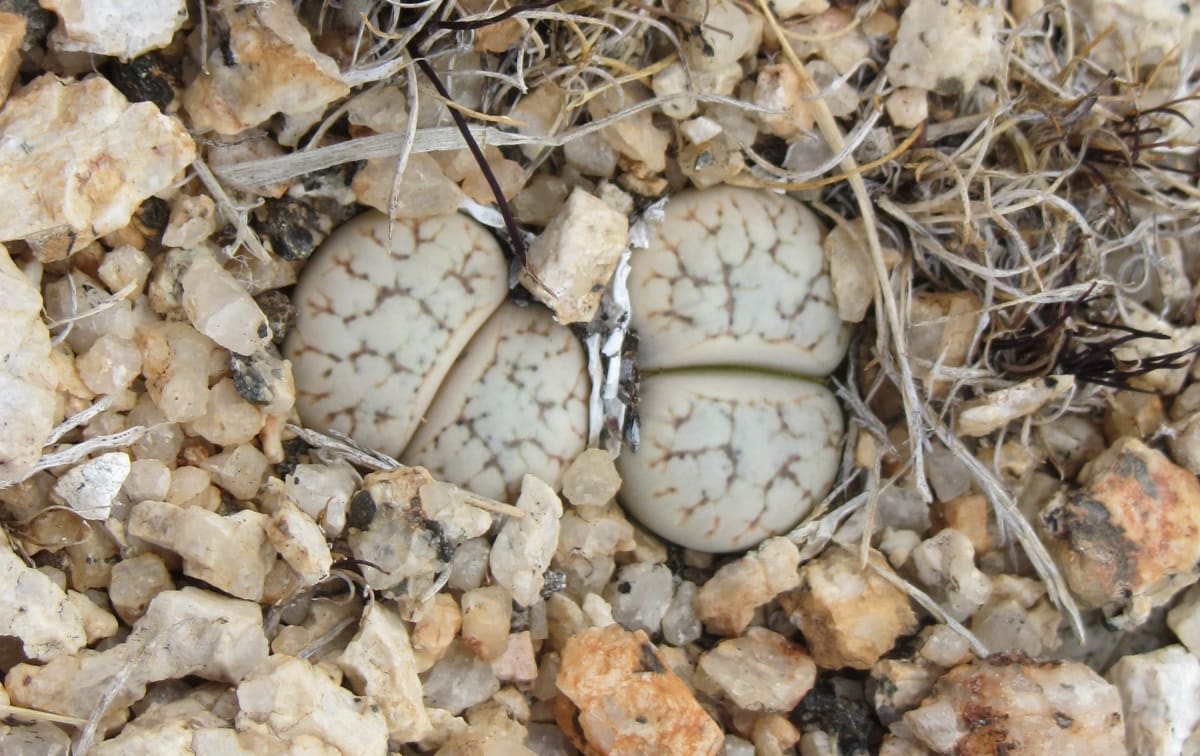
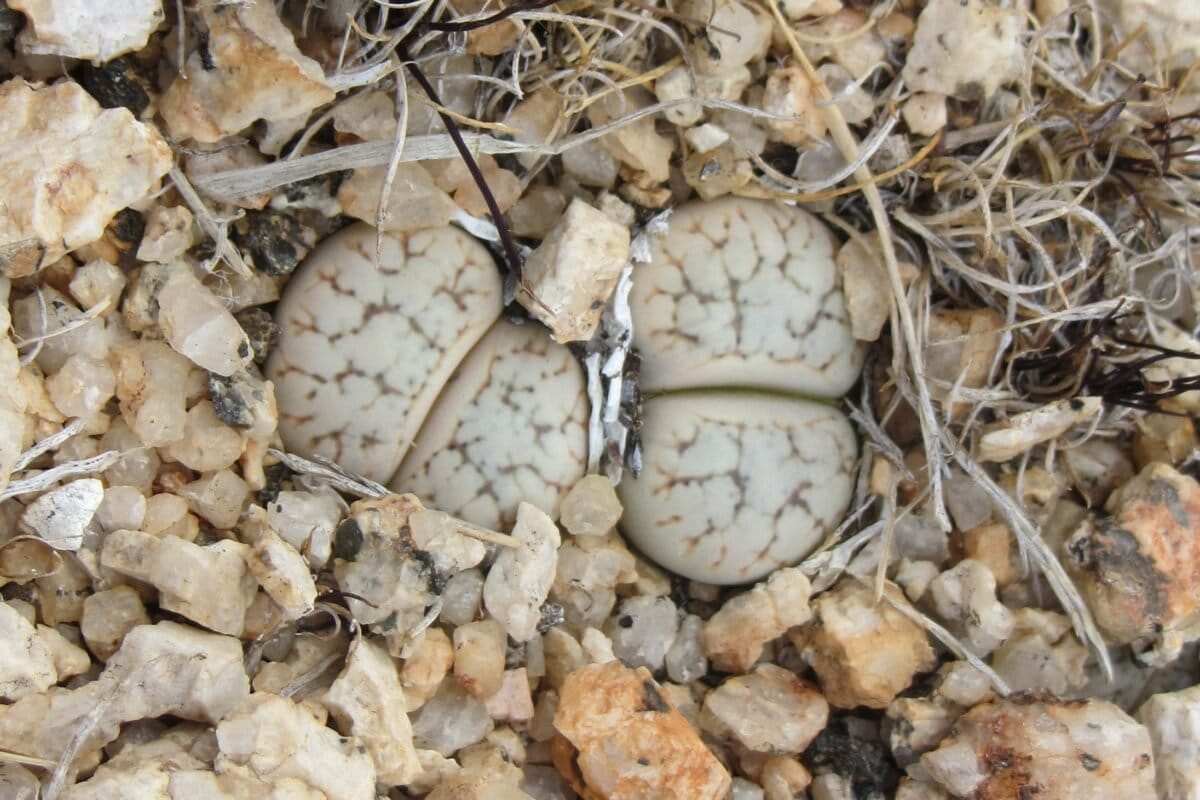
A plant that looks exactly like a pebble and lives in just one four-square-kilometer patch of Namibia is making a comeback after nearly vanishing forever.
Lithops werneri, a thumb-sized succulent that blends perfectly with the rocky gravel it calls home, was rediscovered in 2012 after scientists thought it had gone extinct. Today, conservationists are working hard to protect the 163 remaining plants clinging to life in Namibia's Erongo Mountains.
The living stone plant has always been rare, growing only on a paper-thin layer of gravel barely two centimeters thick. After scientists first described it in the 1950s, European plant collectors harvested so many that wild populations crashed by more than 80 percent.
For decades, plant enthusiasts searched for more populations across Namibia and never found a single one. When researchers finally located the species again in its original spot, they counted 659 plants in 2012, but that number dropped to just 118 by 2019 before climbing slightly to 163 in 2020.
Sonja Loots, who manages Namibia's Threatened Plants Programme, says climate change now poses the biggest threat. The plants have shallow roots and can only survive a few years without water, making the region's worsening droughts deadly.
During one severe drought, researchers found plants dislodged from the ground, their roots exposed and dying. Desperate animals searching for any moisture had disturbed the fragile habitat, something they wouldn't normally do.
The Bright Side
Despite these challenges, Namibia is taking action. The species earned critical endangered status on the global IUCN Red List in February 2026, bringing international attention to its plight. Local authorities are cracking down on plant poaching, which has increased dramatically in recent years.
The plants themselves hold an advantage: their seeds can survive inside protective capsules for years, waiting for the right conditions to sprout. If conservationists can protect the habitat and ensure seedlings get enough follow-up rain, the species has a fighting chance.
Teams are now collaborating across Namibia to safeguard this one-of-a-kind plant, proving that even the smallest, most hidden species deserve our protection.
More Images

Based on reporting by Mongabay
This story was written by BrightWire based on verified news reports.
Spread the positivity!
Share this good news with someone who needs it