Namibia to Deploy 60 New Ambulances by 2028
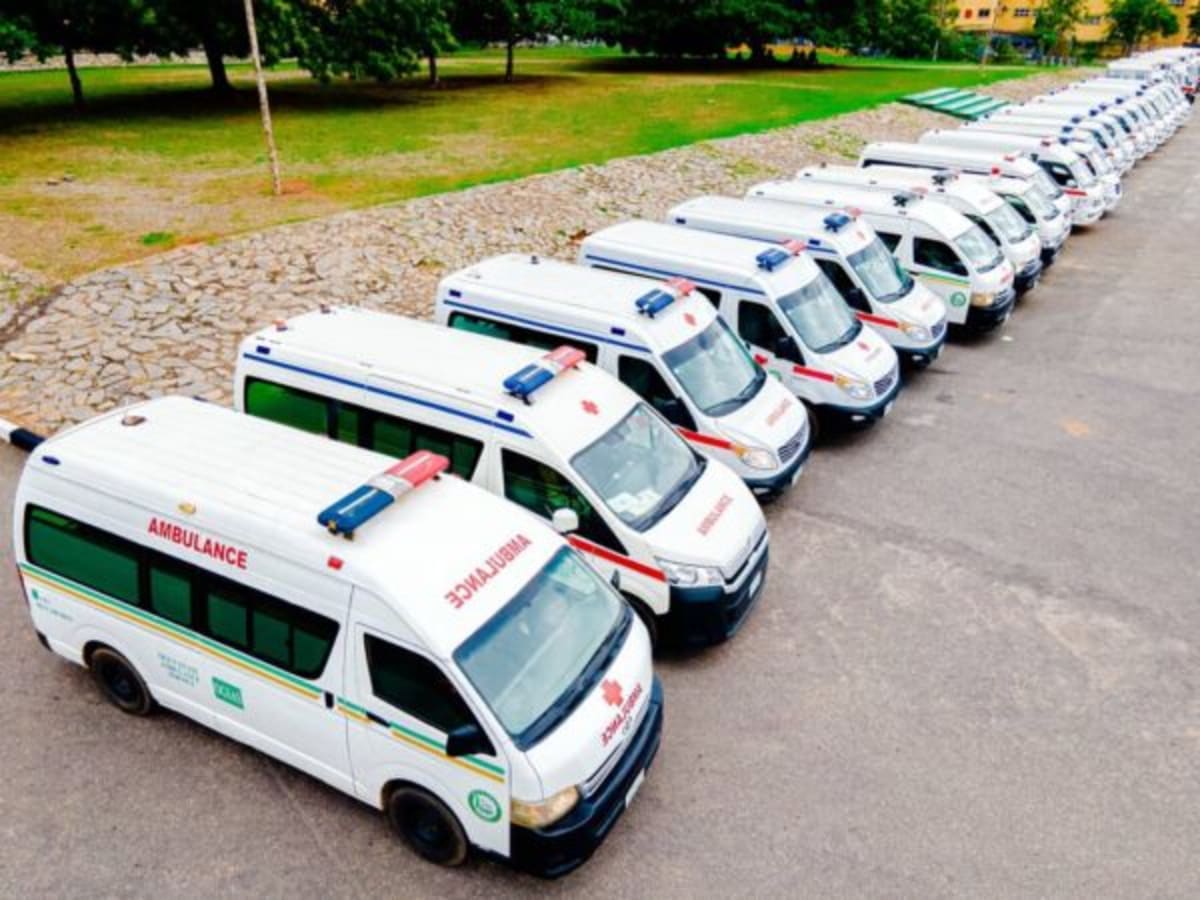
Namibia is investing in 60 new ambulances over three years to strengthen emergency medical services nationwide. The health ministry has already delivered 36 vehicles this May, with nine more arriving within weeks.
When seconds count in a medical emergency, having an ambulance nearby can mean the difference between life and death. Namibia just committed to making that lifesaving help available to more people across the country.
The Ministry of Health and Social Services announced plans to acquire 60 ambulances between 2025 and 2028. Health Minister Esperance Luvindao told parliament the investment is part of a comprehensive strategy to improve emergency response times and vehicle availability in every region.
The progress is already visible on the ground. In May 2025, the ministry commissioned and distributed 36 ambulances across Namibian regions. Nine additional panel van ambulances will reach underserved areas like the Hardap region within the next three weeks.
Luvindao explained the procurement numbers reflect careful budget planning. "The total number of the ambulances procured is what the resources appropriated to the ministry could bear," she said. The ministry is working within its means while maximizing impact.
Beyond buying new vehicles, the ministry is getting smarter about using what it already has. Officials are reviewing current vehicle deployments to identify areas where ambulances could be relocated to regions with greater need, including Mariental.
The strategy extends beyond the ambulances themselves. A comprehensive fleet management system is being developed to ensure vehicles receive timely maintenance and repairs. The goal is to keep ambulances ready when communities need them most.
The Ripple Effect
Better emergency medical services mean more than faster ambulance rides. When rural communities gain reliable access to emergency vehicles, families feel safer knowing help can reach them. Elderly residents living far from hospitals gain peace of mind. Accident victims in remote areas get a fighting chance at survival.
The ministry is also exploring partnerships with other organizations to secure additional vehicles beyond the 60-ambulance target. This collaborative approach could accelerate progress and expand coverage even further.
Improved emergency response infrastructure strengthens entire healthcare systems. Ambulances connect people in crisis to the doctors and facilities that can save them. Every new vehicle represents dozens or even hundreds of lives that could be saved over its service lifetime.
Namibia's commitment demonstrates how steady, practical investments in healthcare infrastructure create lasting positive change for entire nations.
More Images


Based on reporting by AllAfrica - Health
This story was written by BrightWire based on verified news reports.
Spread the positivity!
Share this good news with someone who needs it