NASA Adds Giant Dish to Overloaded Deep Space Network
NASA just powered up a massive new antenna in California's desert to help talk to dozens of spacecraft exploring our solar system and beyond. The addition couldn't come soon enough as the Deep Space Network struggles to keep up with growing demand from missions reaching the edge of interstellar space.
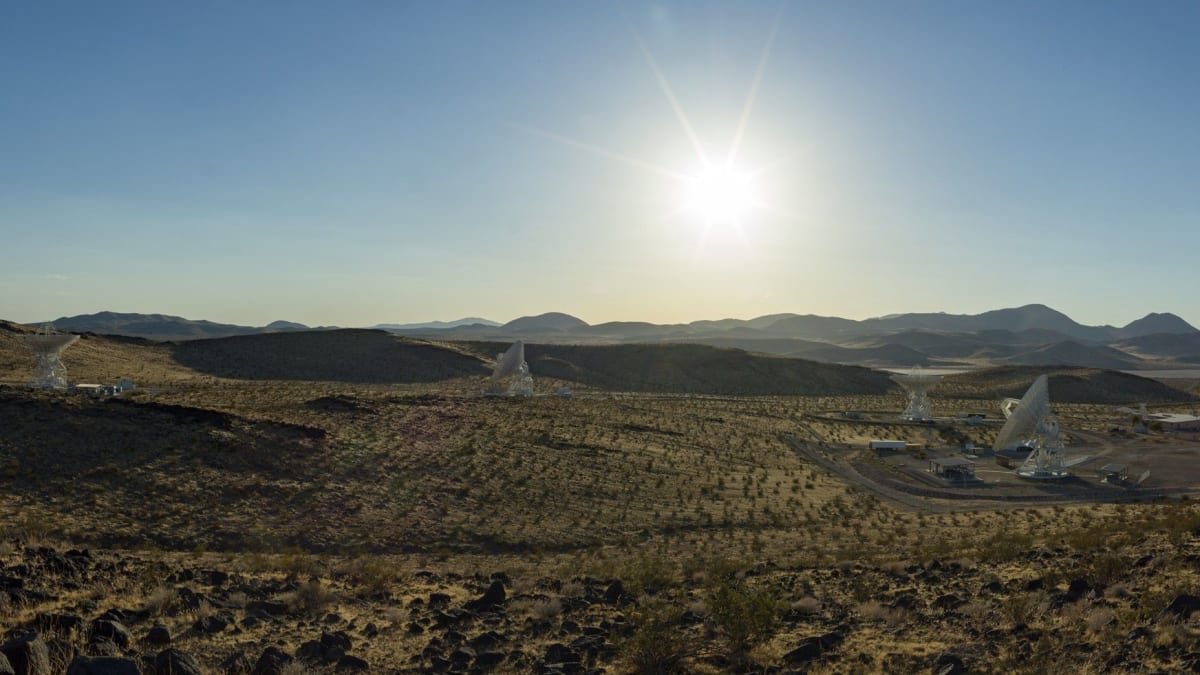
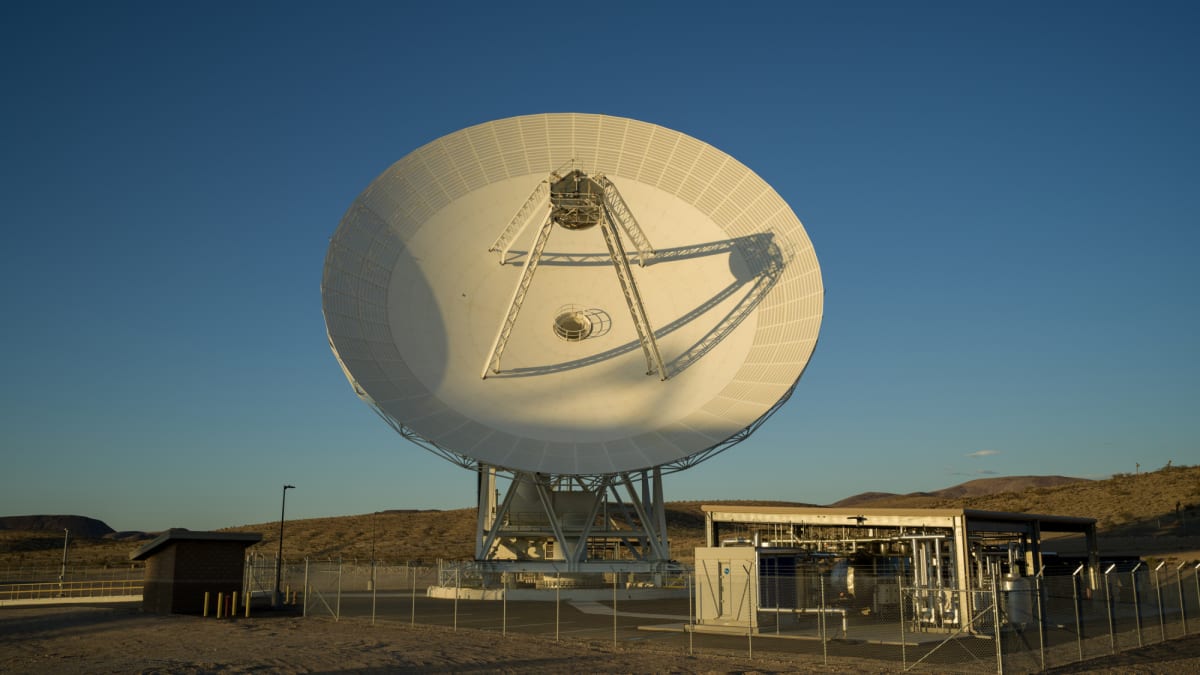
NASA's newest 114-foot radio antenna just came online in the California desert, giving a much-needed boost to the agency's overworked communication system.
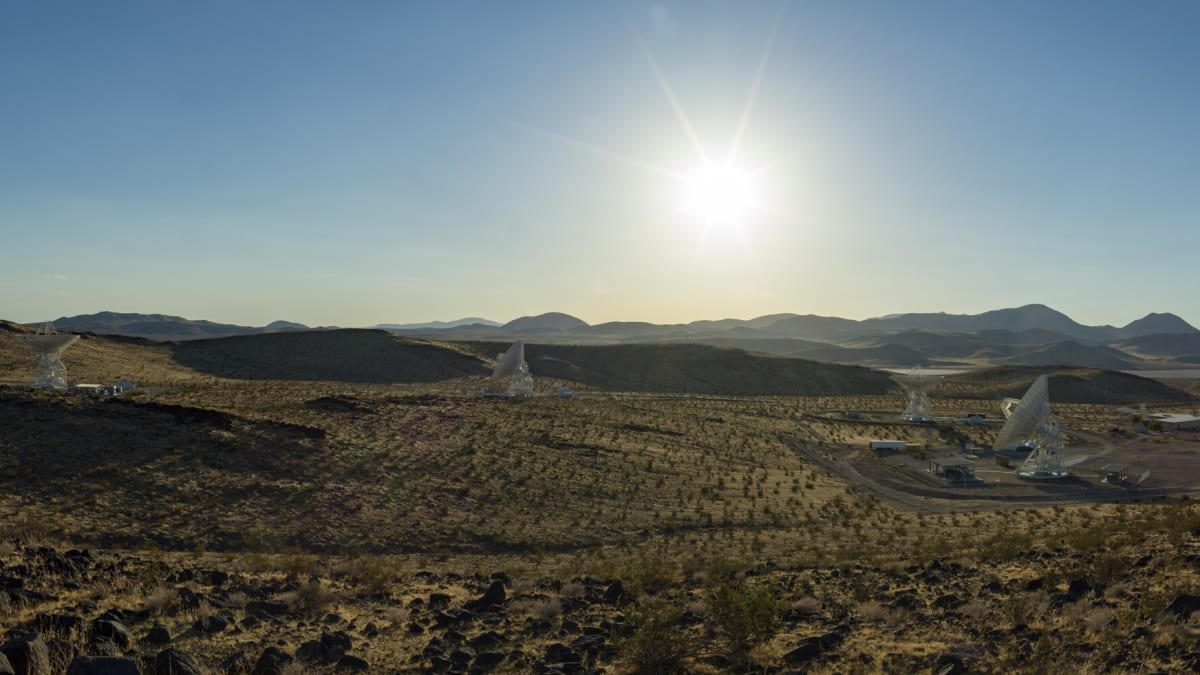
The Deep Space Network officially switched on Deep Space Station 23 on August 3, immediately putting it to work tracking the Chandra X-ray Observatory. The new dish joins NASA's Goldstone complex near Barstow, California, helping manage conversations with more than 40 spacecraft scattered across our solar system and beyond.
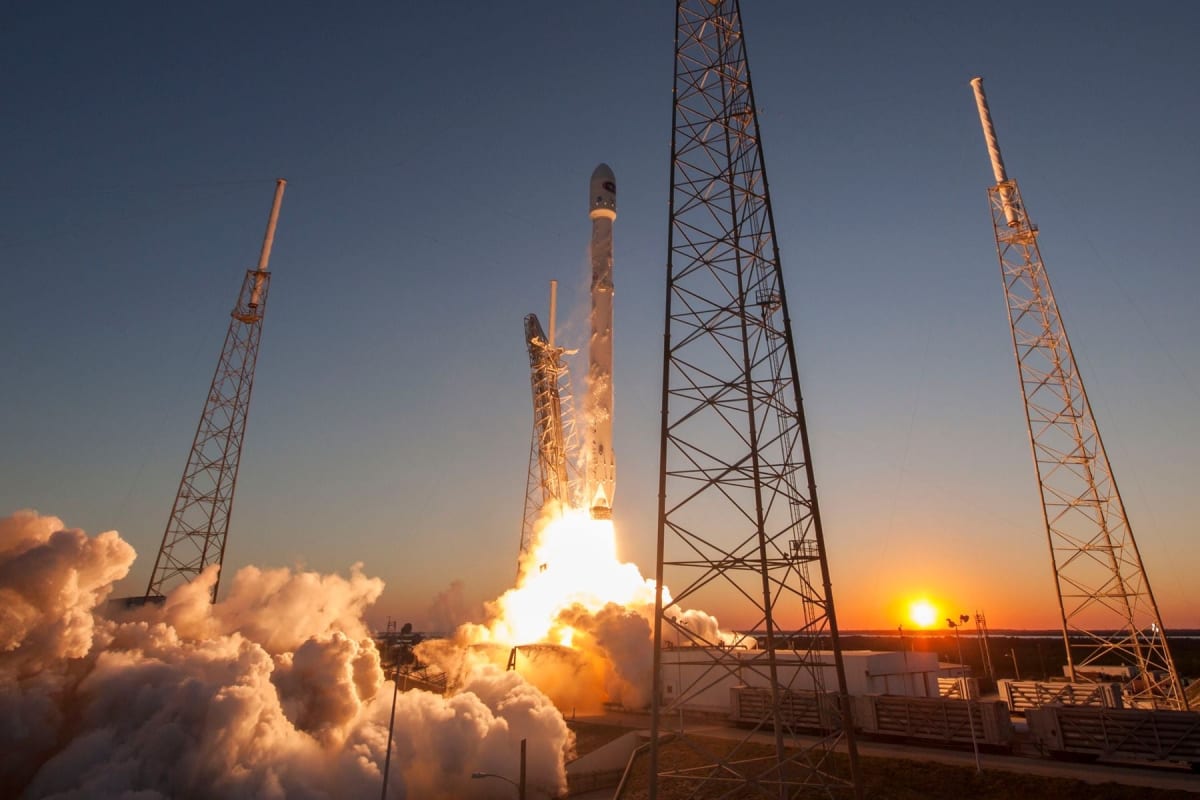
Think of the Deep Space Network as mission control's voice reaching across millions of miles. It's the same system that relayed Neil Armstrong's words from the moon in 1969 and still chats with Voyager 1 and Voyager 2 as they cruise through interstellar space, billions of miles from home.
But these days, the network has a traffic problem. With spacecraft exploring Mars, asteroids, the outer planets, and deep space, demand has outpaced the system's ability to reach everyone at once.
The upcoming Artemis missions make things even tighter. When astronauts orbit the moon during Artemis 2 in 2026, they automatically get priority over robotic spacecraft. That means beloved missions like Mars rovers and outer solar system explorers have to wait their turn.
The Ripple Effect
This single antenna represents more than just added capacity. It's NASA acknowledging that space exploration has grown beyond what anyone imagined 60 years ago when the Deep Space Network first launched.
Space agencies from around the world now rely on these three antenna complexes in California, Spain, and Australia to stay connected with their missions. The strategic placement means at least one complex can always see any spacecraft, no matter where Earth rotates.
The new antenna is the fifth of six planned under NASA's expansion project that started back in 2009. Yes, it's taken longer and cost more than expected. The project ballooned from $362 million to $706 million and ran nearly five years behind schedule.
But when the sixth antenna comes online in Australia in 2029, the network will finally have the breathing room it desperately needs. That timing works out perfectly as NASA plans for a permanent moon base in the 2030s, which will create even more demand for reliable space communications.
For now, scientists managing distant missions can breathe a little easier knowing there's one more giant ear listening to the cosmos.
More Images

Based on reporting by Google News - Science
This story was written by BrightWire based on verified news reports.
Spread the positivity!
Share this good news with someone who needs it