NASA and Relativity Space Team Up for 2028 Mars Mission
NASA just announced a groundbreaking partnership with Relativity Space to send advanced atmospheric instruments to Mars by 2028. This collaboration will help scientists gather the data needed to safely land humans on the Red Planet.
NASA is taking a bold new approach to Mars exploration, and it could speed up our journey to putting boots on Martian soil.
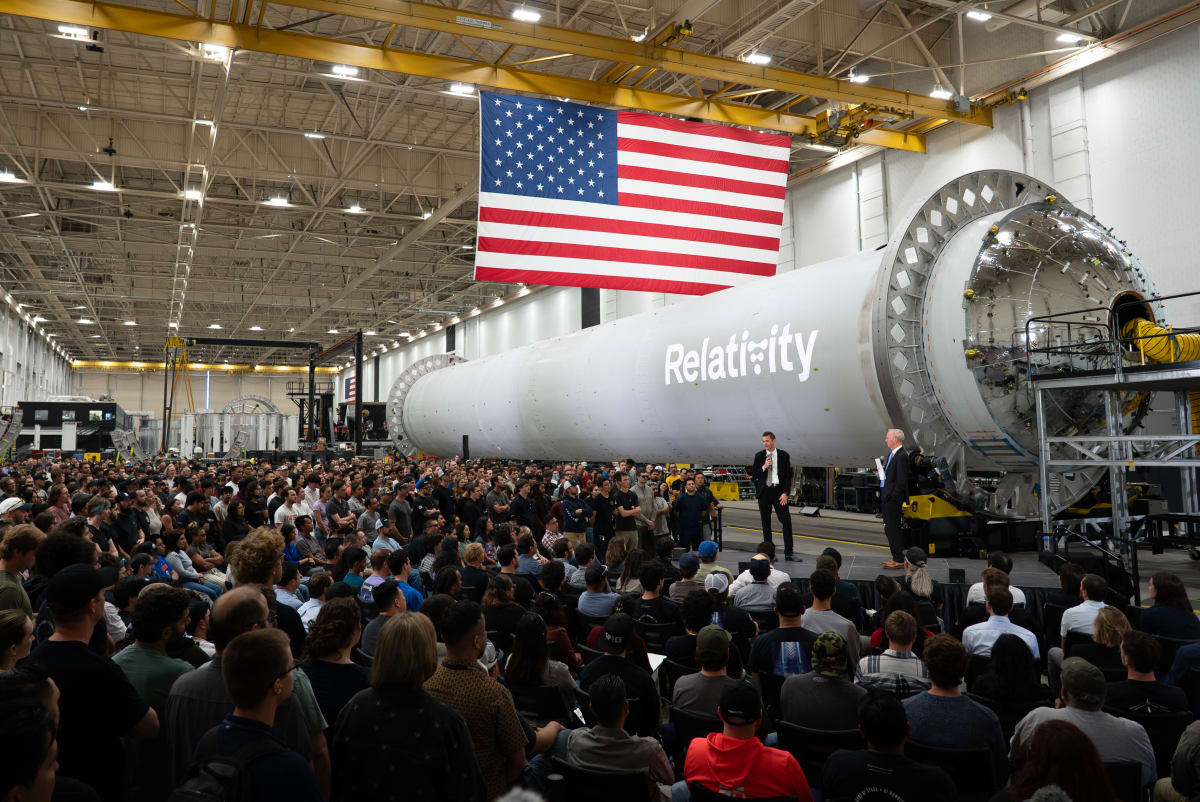
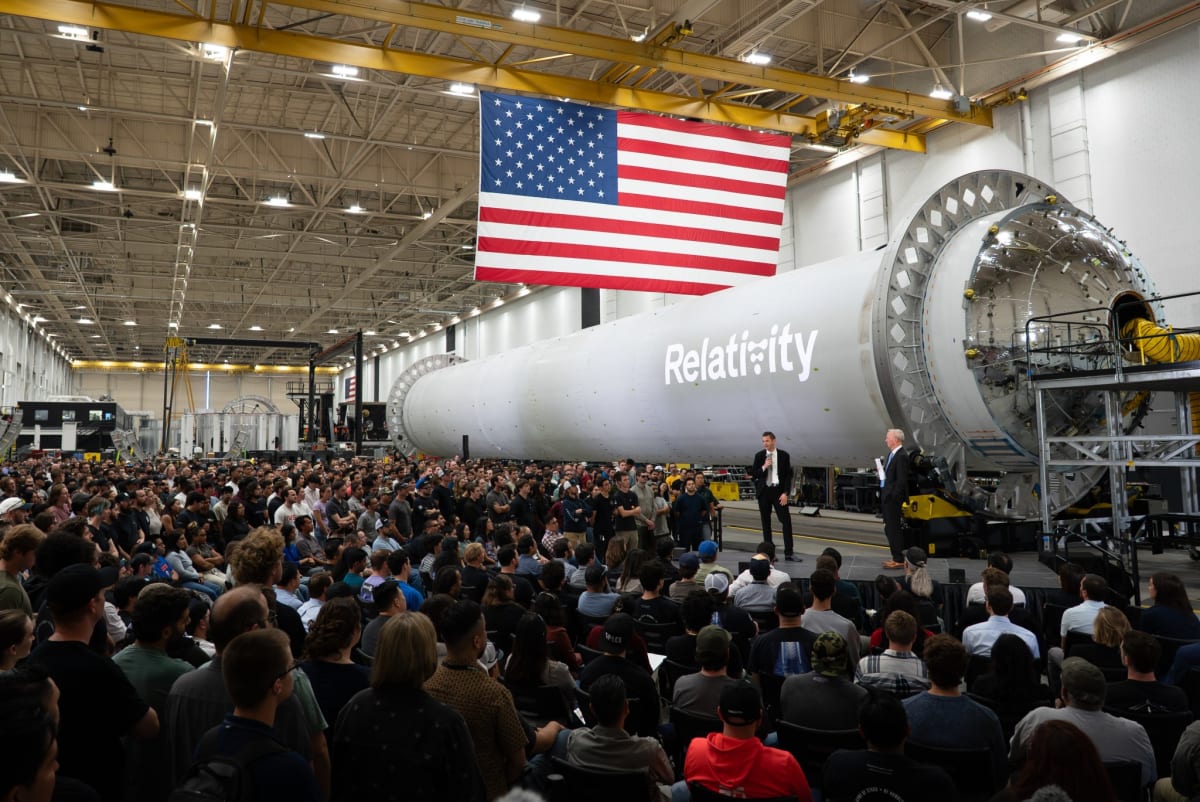
The space agency announced Wednesday a public-private partnership with Relativity Space to launch the Aeolus mission in 2028. NASA will provide the science instruments while Relativity handles the spacecraft, rocket, and flight operations.
This marks a major shift in how NASA explores Mars. By teaming up with commercial partners, the agency can deliver more science missions, more often, without stretching its budget thin.
"By pairing NASA's world-class instruments with commercial innovation and investment, we can deliver more science, more often," said NASA Administrator Jared Isaacman. The partnership lets NASA focus on what it does best while private companies handle the engineering and operations.
The Aeolus mission will carry four instruments designed to create the first complete, daily picture of Martian weather patterns. These tools will measure winds, temperatures, dust storms, and clouds across the entire planet.
Why does Martian weather matter? Because understanding Mars' atmosphere is critical for landing safely.
Every spacecraft that enters Mars' thin atmosphere faces extreme risks during descent. Better wind and temperature data means engineers can design safer landing systems and astronauts can plan missions with greater confidence.
The instruments build on decades of NASA Mars missions like MAVEN and the Mars Reconnaissance Orbiter. Researchers at NASA's Ames Research Center in California will design and build the payload suite.
The Ripple Effect
This partnership represents more than one mission. It's a new model for space exploration that could unlock rapid-fire discoveries across our solar system.
By bringing together government expertise and commercial speed, NASA can maintain multiple science missions simultaneously. That means researchers get critical data faster, and each mission builds on the last without long gaps between launches.
The framework also creates a stable foundation for future collaboration through NASA's first six-year Space Act Agreement. This long-term commitment gives both partners predictability and continuity.
For the scientists preparing for human Mars missions, Aeolus will provide essential environmental knowledge. The data will directly inform how future spacecraft navigate the Martian atmosphere and touch down on the surface.
"Aeolus reflects how innovative collaboration accelerates science and strengthens the foundation needed for one day landing humans on Mars," said Dr. Eugene Tu, director of NASA Ames Research Center. NASA will operate the instruments for at least one Martian year (about two Earth years) while Relativity maintains the spacecraft.
The mission launches in 2028, bringing us one step closer to the day astronauts walk on another world.
More Images
Based on reporting by Google News - Science
This story was written by BrightWire based on verified news reports.
Spread the positivity!
Share this good news with someone who needs it