NASA and SpaceX Test Rocket That Will Return Us to the Moon
Engineers just completed crucial wind tunnel tests on the rocket that will carry astronauts back to the lunar surface in 2027. The breakthrough brings humanity one giant leap closer to walking on the Moon again.
The rocket that will take humans back to the Moon just passed a major milestone, and we're now on track for a 2027 lunar landing.
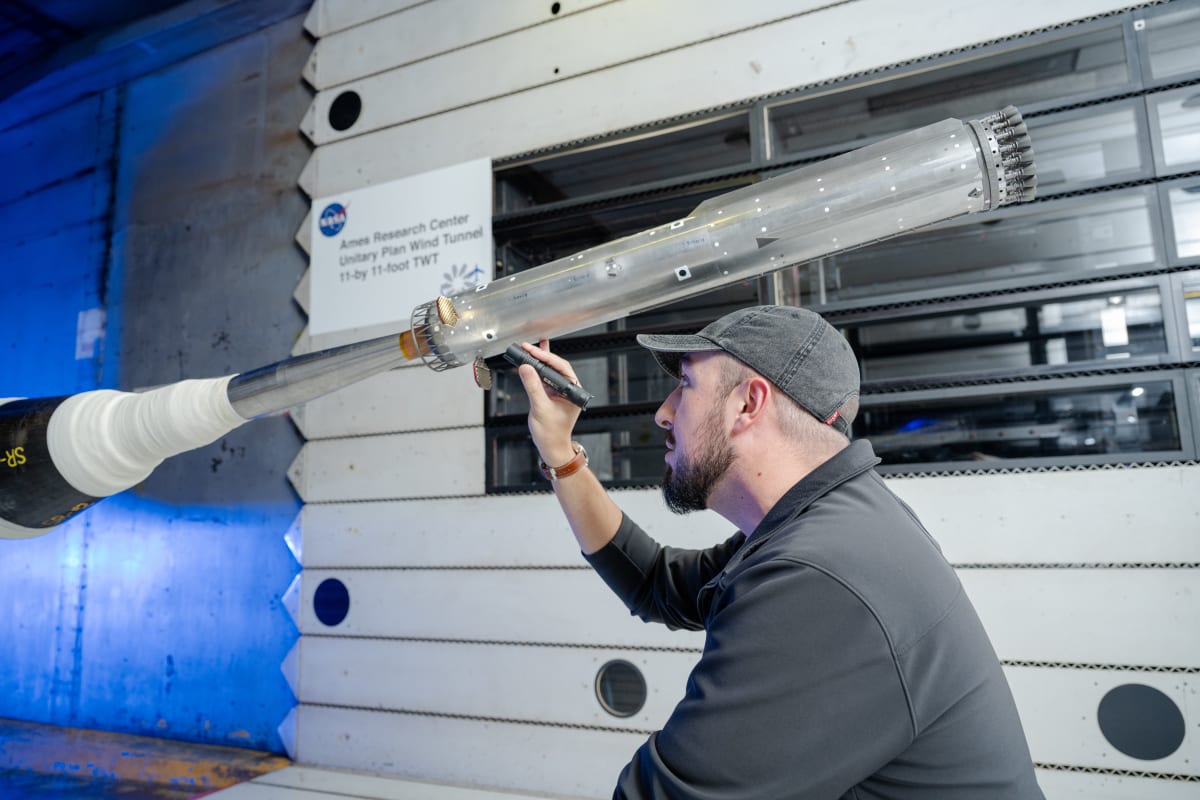
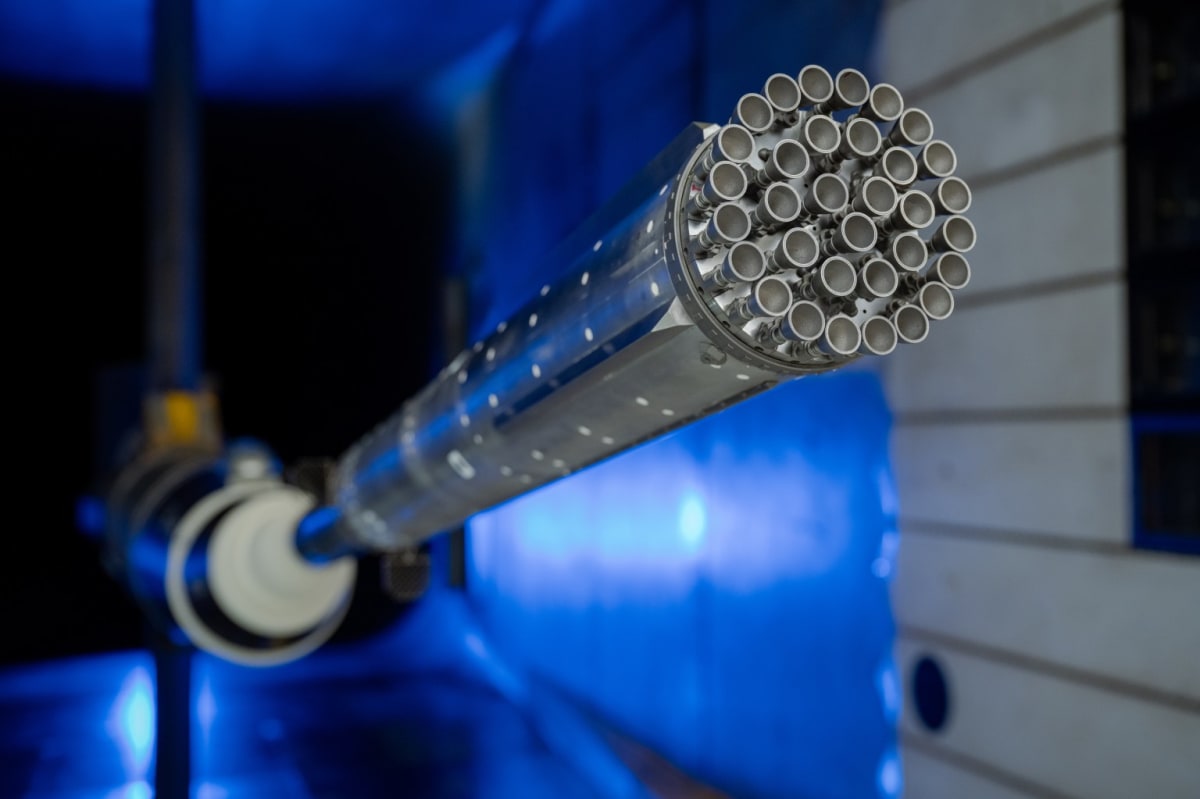
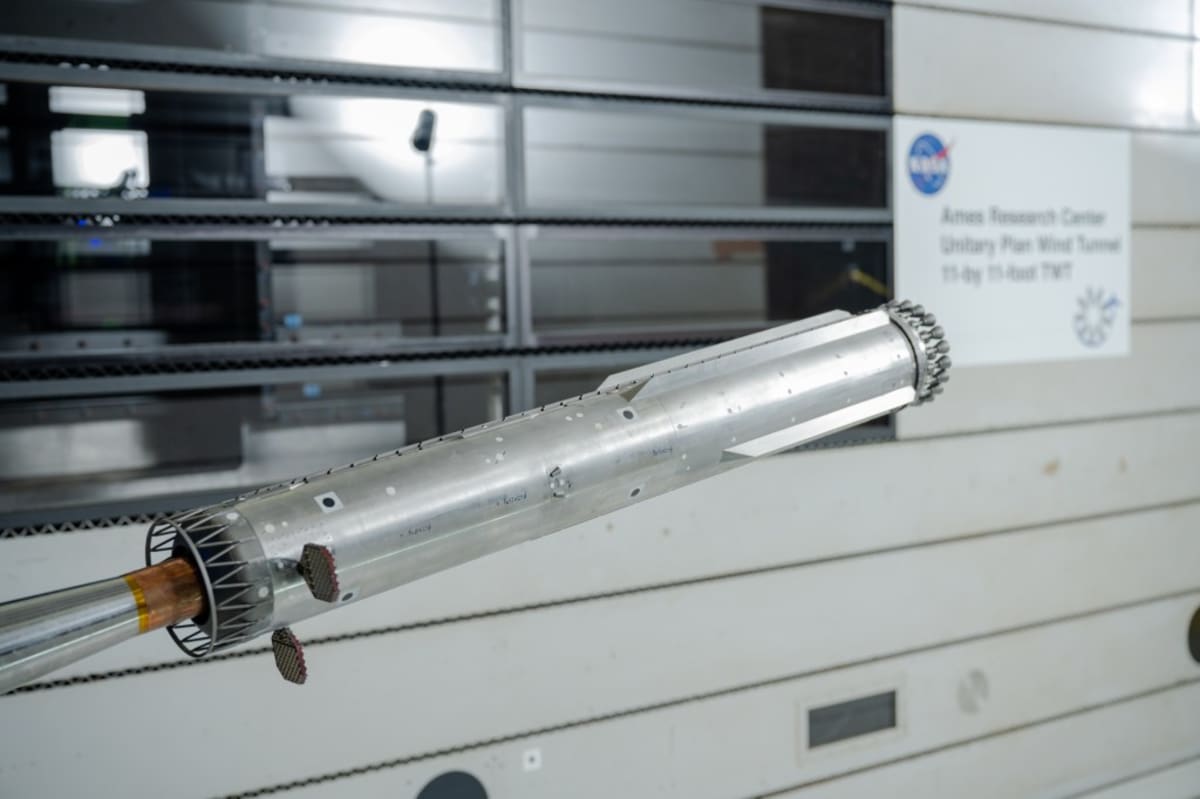
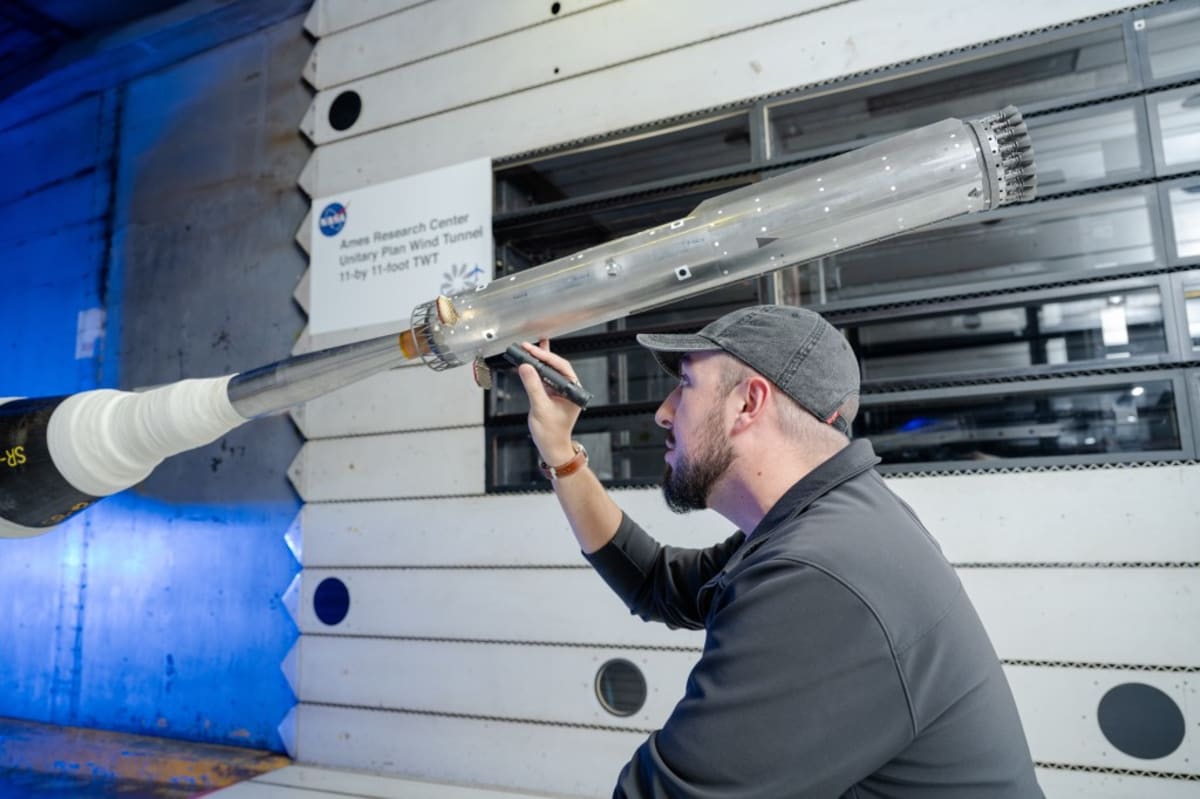
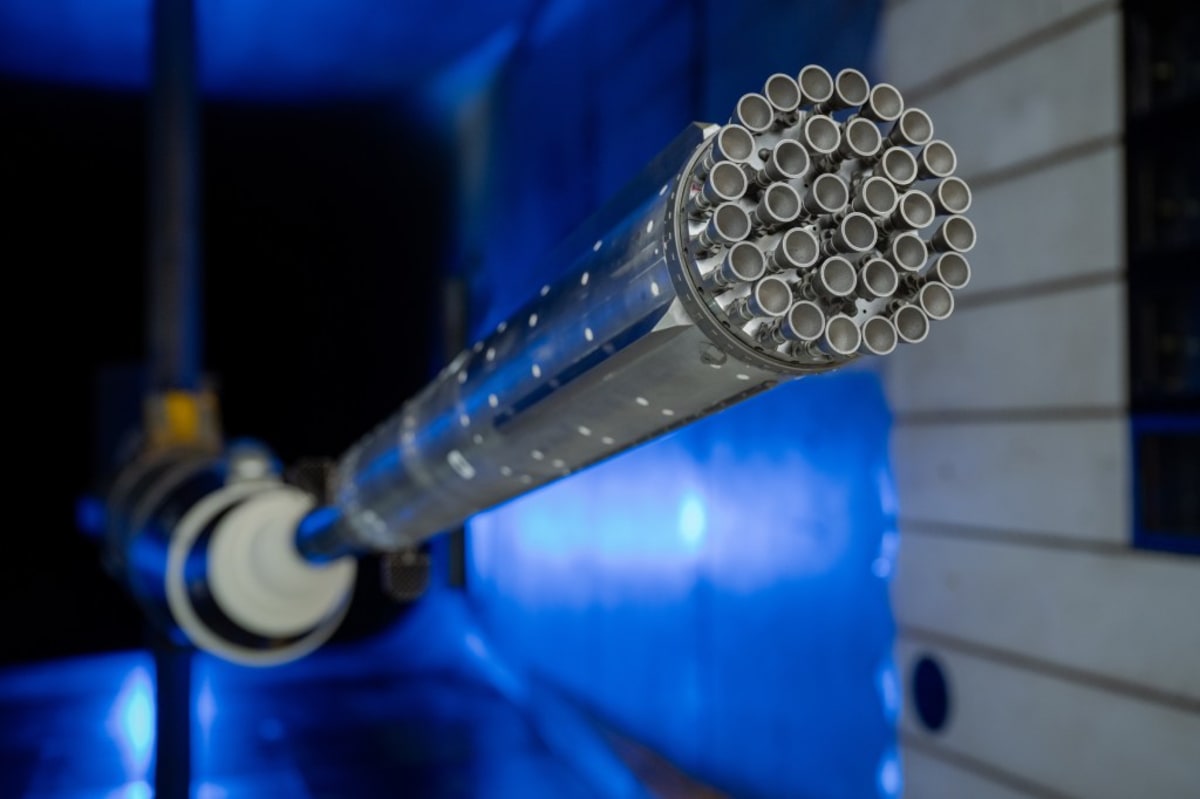
NASA and SpaceX engineers recently wrapped up intensive wind tunnel testing on the Super Heavy Version 3 rocket booster at NASA's Ames Research Center in California. This powerful rocket will launch the Starship spacecraft that carries astronauts from lunar orbit down to the Moon's surface and safely back again.
The tests focused on understanding exactly how extreme forces will hit the rocket during one of its trickiest moments: re-entry into Earth's atmosphere. Engineers blasted a tiny 1.2% scale model with winds reaching up to 1,900 miles per hour, simulating the punishing conditions the real rocket will face.
Why test something so small? Because these wind tunnels let scientists predict how air will buffet and push against the rocket at speeds faster than sound itself. Think of it like understanding how a paper airplane flies before building a jumbo jet.
Version 3 of the Super Heavy booster represents a massive upgrade from earlier designs. It now features 33 next-generation Raptor 3 engines, three supersized gridfins instead of four, and a clever hot-stage system that makes the whole rocket reusable.
That reusability matters enormously. Instead of throwing away a rocket after one flight, SpaceX plans to catch this booster and fly it again. It's like the difference between discarding your car after one road trip versus parking it in the garage for next time.
The Ripple Effect
This collaboration shows how government expertise and private innovation can accelerate progress together. NASA brought decades of experience from the Space Shuttle, Space Launch System, and Orion spacecraft programs to help SpaceX perfect their design.
Similar testing at this same facility led to adding stabilizing strakes on NASA's Artemis II rocket. Now that knowledge is flowing forward to help Artemis III succeed. Each mission builds on lessons from the last, creating a staircase back to the Moon.
The partnership gives SpaceX access to specialized wind tunnels that would cost hundreds of millions to build privately. Meanwhile, NASA gains a lunar lander without shouldering the entire development burden alone.
These tests wrapped up in late 2025, keeping the Artemis III demonstration mission on schedule for 2027. A crewed lunar landing will follow in 2028, marking humanity's first return to the Moon since 1972.
After more than 50 years away, we're finally going back.
More Images
Based on reporting by NASA
This story was written by BrightWire based on verified news reports.
Spread the positivity!
Share this good news with someone who needs it