NASA Astronaut Returns After 241 Days in Space
After eight months orbiting Earth more than 3,800 times, NASA astronaut Chris Williams and two Russian crewmates touched down safely in Kazakhstan, bringing home groundbreaking research that could change cancer treatment. The mission covered 102 million miles and advanced science that helps both Earth and future Moon missions.
Three astronauts landed safely in the Kazakhstan desert Sunday morning after spending eight months conducting experiments that could lead to better cancer treatments and prepare humanity for missions to Mars.
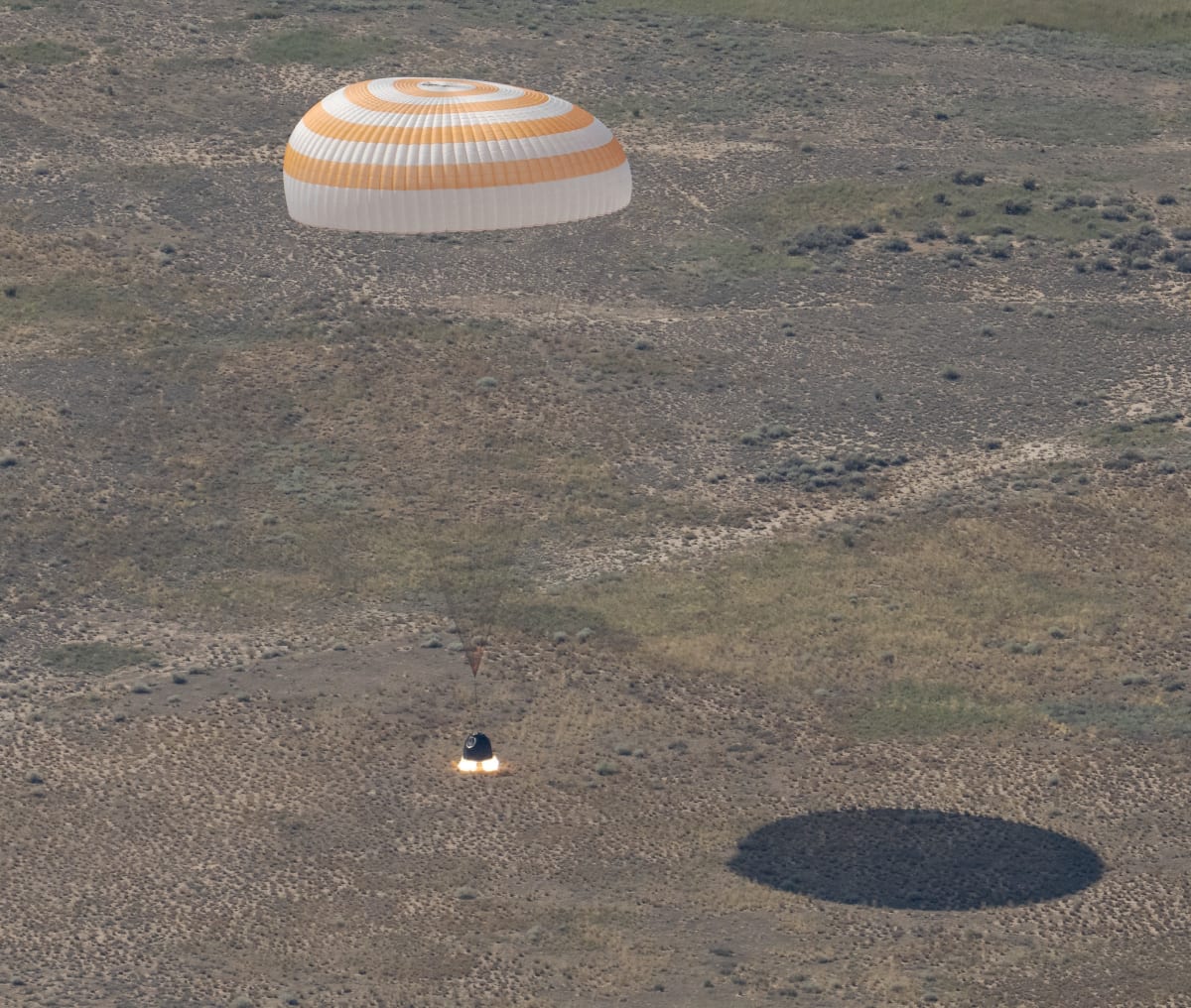
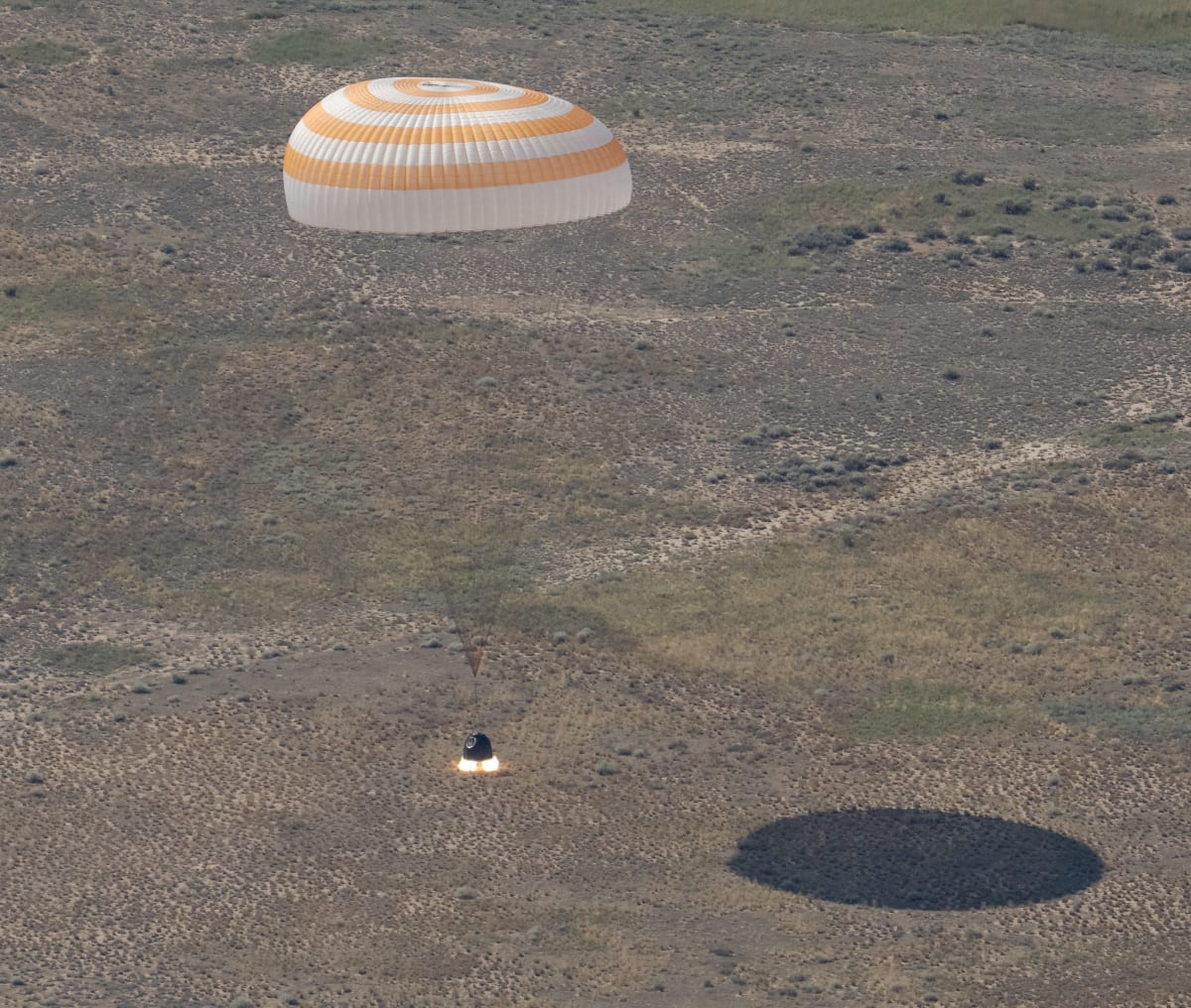
NASA astronaut Chris Williams returned to Earth alongside Russian cosmonauts Sergey Kud-Sverchkov and Sergei Mikaev at 5:27 a.m. Central Time. Their Soyuz spacecraft touched down with parachute assistance after a three-hour journey from the International Space Station.
The numbers tell an incredible story. During 241 days in space, the crew orbited Earth 3,856 times and traveled more than 102 million miles. That's like circling the planet 15 times every single day since Thanksgiving 2025.
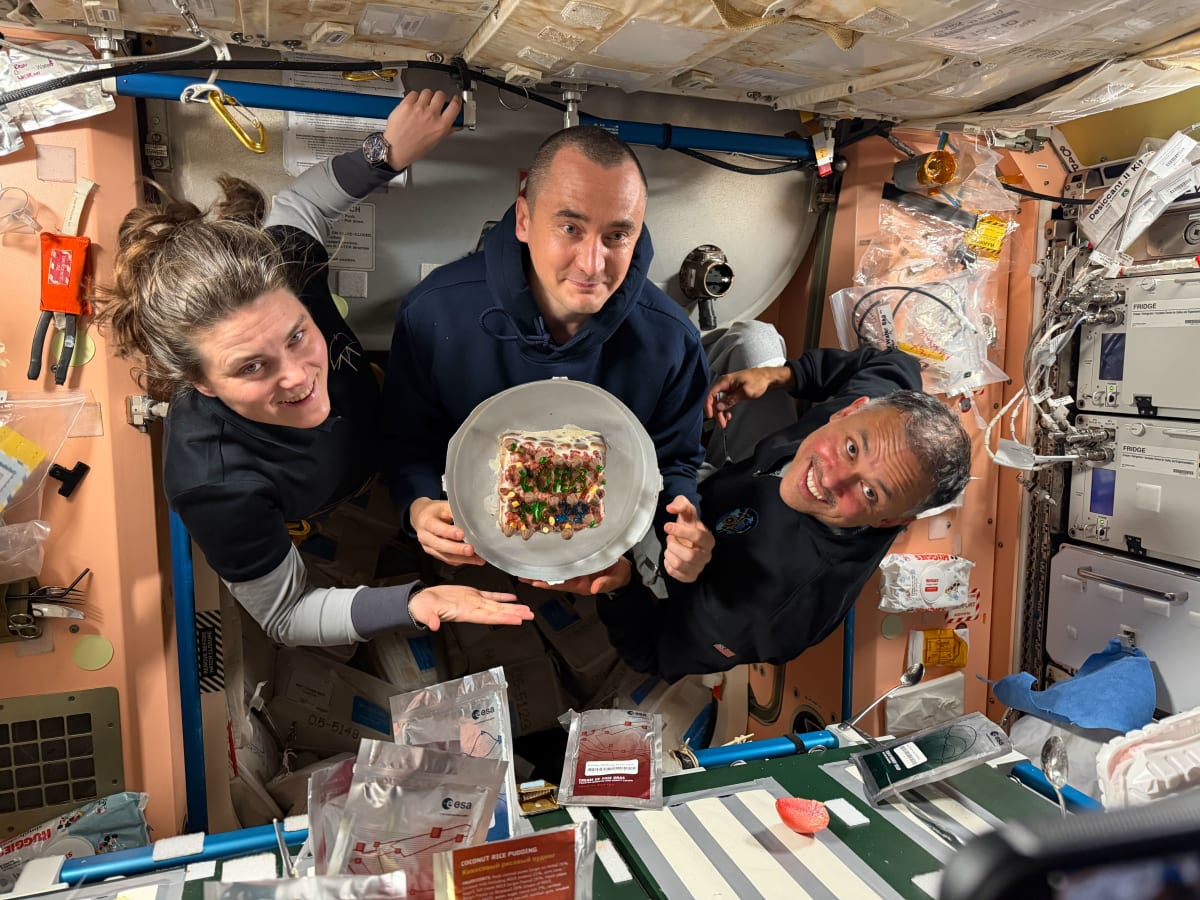
Williams made the most of his time aboard the floating laboratory. He advanced research for new cancer treatments and helped improve how we manufacture materials for high-performance computers in space. These aren't just abstract experiments. The work directly supports developing better medical options for patients back on Earth.
The mission included two spacewalks where Williams worked outside the station to upgrade power systems and fix a broken joint on Canadarm2, the station's robotic arm. For his first spaceflight, Williams handled complex repairs that keep the 25-year-old station running smoothly.
The Ripple Effect
The research happening 250 miles above Earth creates ripples that touch lives everywhere. Cancer treatment breakthroughs developed in microgravity could help millions of patients. Manufacturing techniques perfected in space lead to better electronics we use daily. Even the international cooperation between NASA and Roscosmos shows what humanity can achieve when we work together.
The space station has hosted continuous human presence for over 25 years now. Every crew builds on discoveries from the last, creating a growing foundation of knowledge. Williams and his crewmates added crucial pieces to that puzzle during their eight months of work.
After medical checks in Kazakhstan, Williams will fly home to NASA's Johnson Space Center in Houston. The data and samples he brings back will fuel scientific discoveries for years to come.
For Williams and Mikaev, this first spaceflight marks the beginning of their contributions to space exploration. Kud-Sverchkov completed his second mission, doubling his time living and working in orbit.
The crew's safe return reminds us that the impossible becomes routine when brilliant people work together toward a common goal.
More Images
Based on reporting by NASA
This story was written by BrightWire based on verified news reports.
Spread the positivity!
Share this good news with someone who needs it