NASA Astronauts Complete Spacewalk After ISS Medical Delay
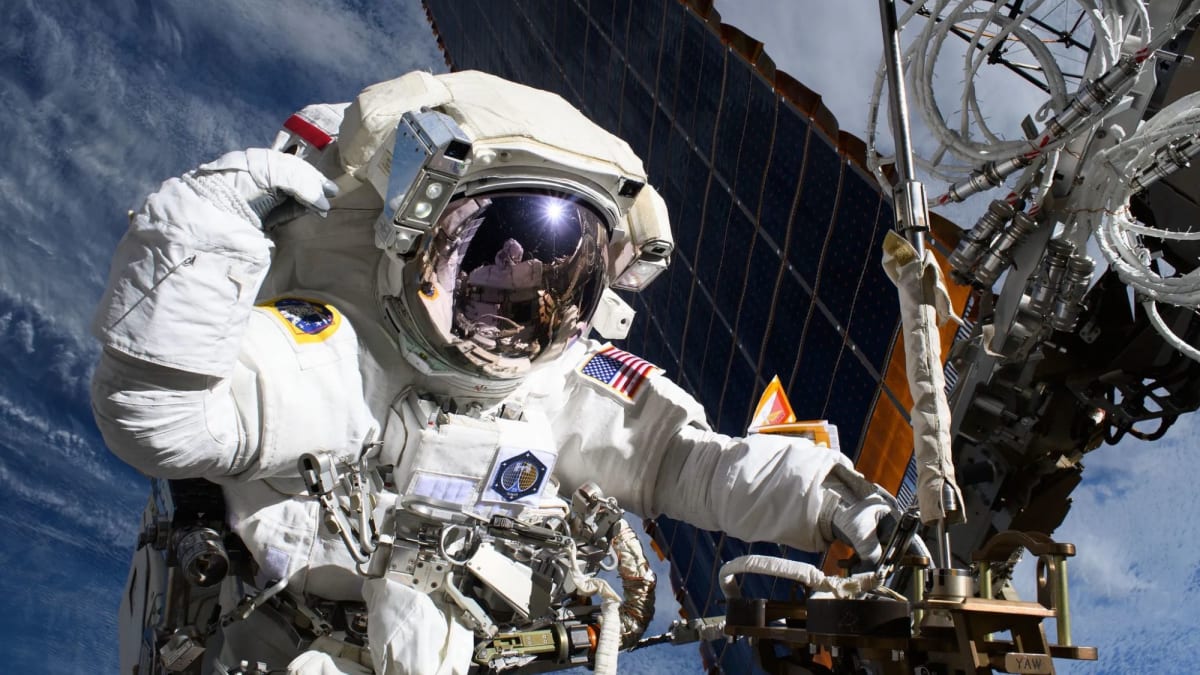
Two NASA astronauts successfully conducted a spacewalk outside the International Space Station today, months after the mission was postponed due to the ISS's first-ever medical evacuation. The team worked to upgrade the station's power systems in a mission that marks a fresh start for orbital operations.
After months of waiting, two NASA astronauts floated outside the International Space Station today to complete important upgrades that will keep humanity's orbital home powered for years to come.
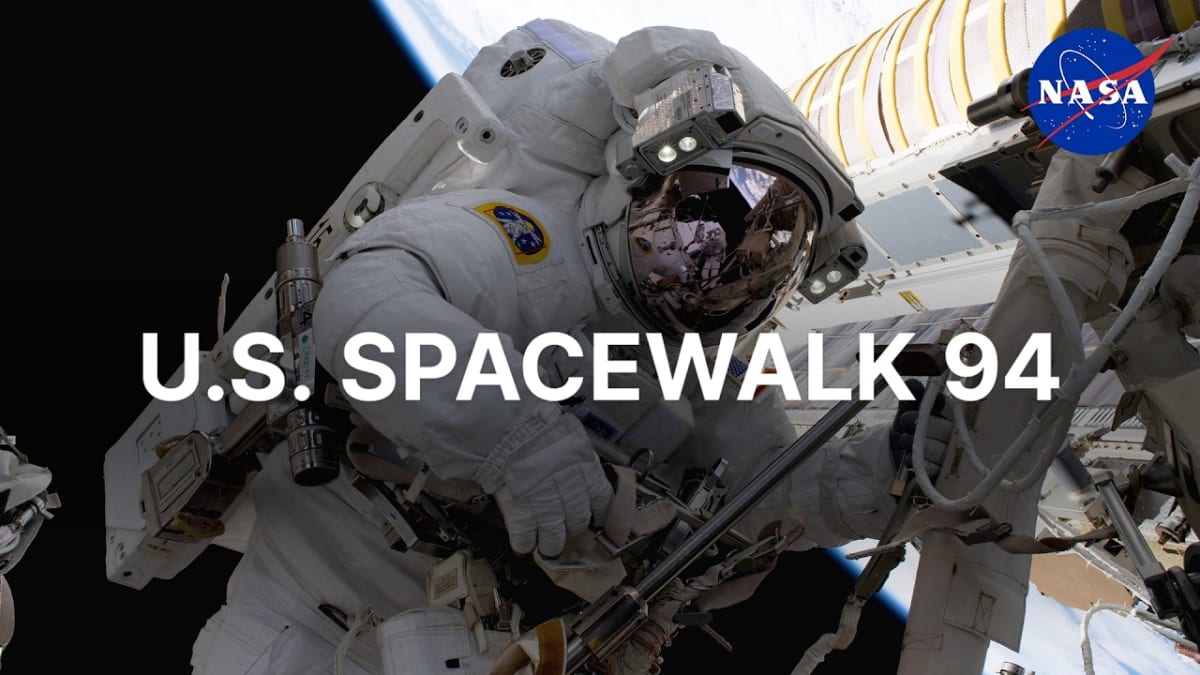
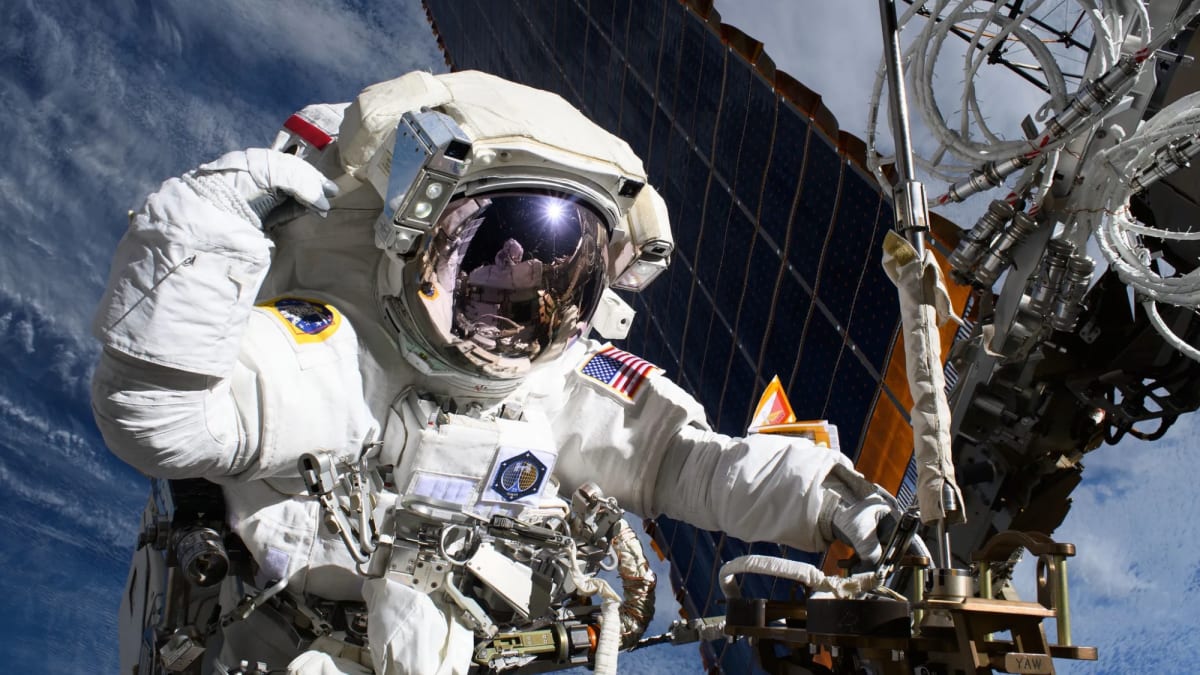
Jessica Meir and Chris Williams kicked off their 6.5-hour spacewalk at 8 a.m. EDT, preparing one of the station's power channels for a new solar array. For Meir, it was her fourth trip outside the ISS, while Williams took his very first steps into the void.
The mission was originally scheduled for January 8 with different crew members. But those plans changed when astronaut Mike Fincke experienced a medical issue that required an early return to Earth.
That January situation marked a historic first: the International Space Station's first medical evacuation in its entire operational history. Fincke has since confirmed he's doing well, though details about his condition remain private.
The delay gave the current crew time to prepare thoroughly for today's critical work. The upgrades they're installing will support new roll-out solar arrays that generate more power with less mass than traditional panels.
Today's spacewalk represents the first ISS extravehicular activity of 2025 and the 278th overall in the station's lifetime. Another similar mission will follow in the coming weeks, with NASA announcing the crew and date after reviewing today's success.
The Ripple Effect
These power system upgrades do more than keep the lights on. The new solar arrays will enable expanded research capabilities, supporting experiments in medicine, materials science, and Earth observation that benefit people on the ground.
The successful completion of this long-delayed mission also demonstrates the resilience of international space cooperation. When unexpected challenges arise, crews adapt and mission control teams find new paths forward.
Williams' first spacewalk shows that even as veteran astronauts like Fincke face setbacks, a new generation stands ready to continue humanity's presence in orbit.
The ISS continues to prove that complex international collaboration can overcome obstacles and achieve remarkable things 250 miles above Earth.
More Images

Based on reporting by Space.com
This story was written by BrightWire based on verified news reports.
Spread the positivity!
Share this good news with someone who needs it