NASA Awards $6.9M to Mine Moon Resources for Future Missions
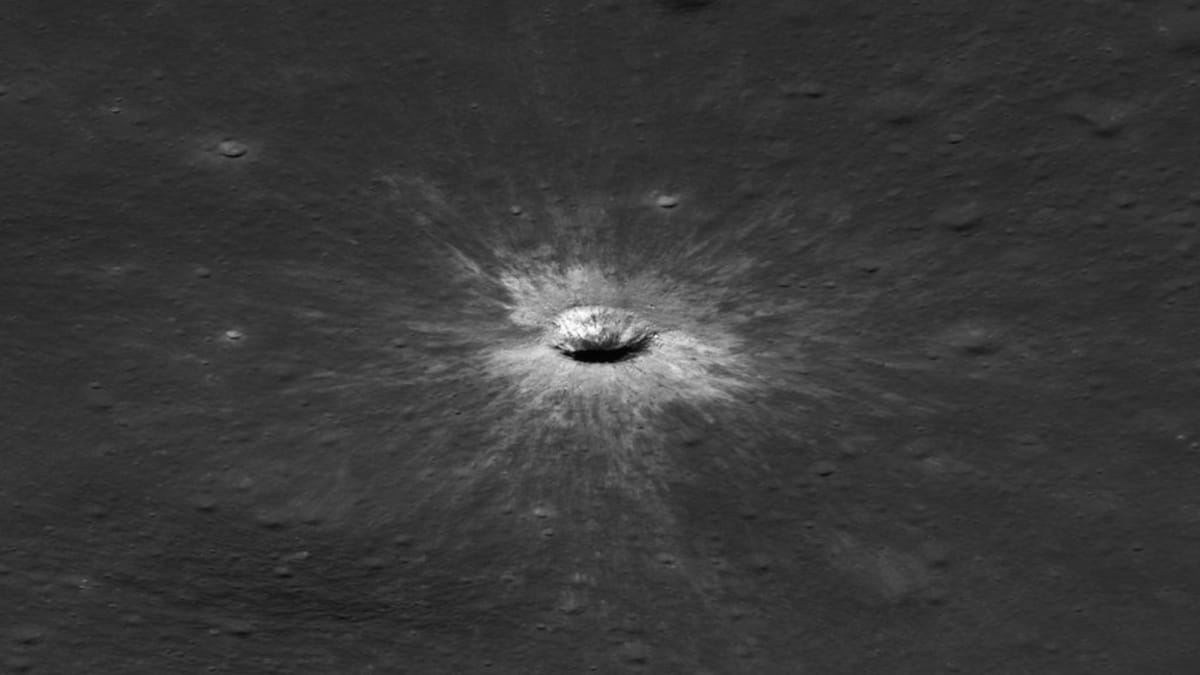
A Seattle company just won a NASA contract to develop technology that extracts fuel and oxygen from lunar soil. This breakthrough could help astronauts live on the Moon without constant resupply missions from Earth.
Imagine astronauts refueling their rockets and making breathable air using nothing but Moon dust. That future just got $6.9 million closer to reality.
NASA awarded the contract to Interlune, a Seattle company focused on extracting valuable resources like hydrogen and helium-3 from lunar soil called regolith. The technology turns what's already on the Moon into usable fuel, energy, and life support for future missions.
The concept, called in-situ resource utilization, works like cosmic recycling. Instead of hauling every drop of fuel and oxygen from Earth at enormous cost, astronauts could manufacture what they need right on the Moon's surface.
Interlune's system is designed to collect lunar soil samples, sort particles by size, and extract gases trapped in the regolith by solar wind over billions of years. A compact mass spectrometer then measures exactly what's available to use.
The company built on technology NASA already proved works. Their design adapts MSOLO, a rugged instrument that analyzed lunar soil during the Intuitive Machines mission to the Moon's South Pole in 2025. That device showed it could handle the harsh lunar environment and deliver accurate readings.
Over the next 18 months, Interlune will design, build, and test the actual flight hardware. The payload will include a calibration system that lets the instrument check and adjust its own accuracy while sitting on the lunar surface, ensuring reliable data for both commercial developers and NASA's Artemis program.
The technology is flexible enough to work with four different commercial lunar lander designs. That adaptability means multiple missions could use the same basic system, driving down costs and speeding up the timeline for lunar exploration.
The Ripple Effect
This contract represents more than just one company's success. It's part of NASA's strategy to build a sustainable lunar economy where small businesses develop the technologies that make long-term space exploration possible.
By proving these resource-prospecting tools work, NASA is opening the door for companies to establish commercial operations on the Moon. Water ice could become rocket fuel. Lunar minerals could build habitats. Gases trapped in regolith could generate power and breathable air.
The approach dramatically reduces the complexity and cost of deep space missions. Every kilogram of supplies astronauts can make on the Moon is one less kilogram that needs to launch from Earth at thousands of dollars per pound.
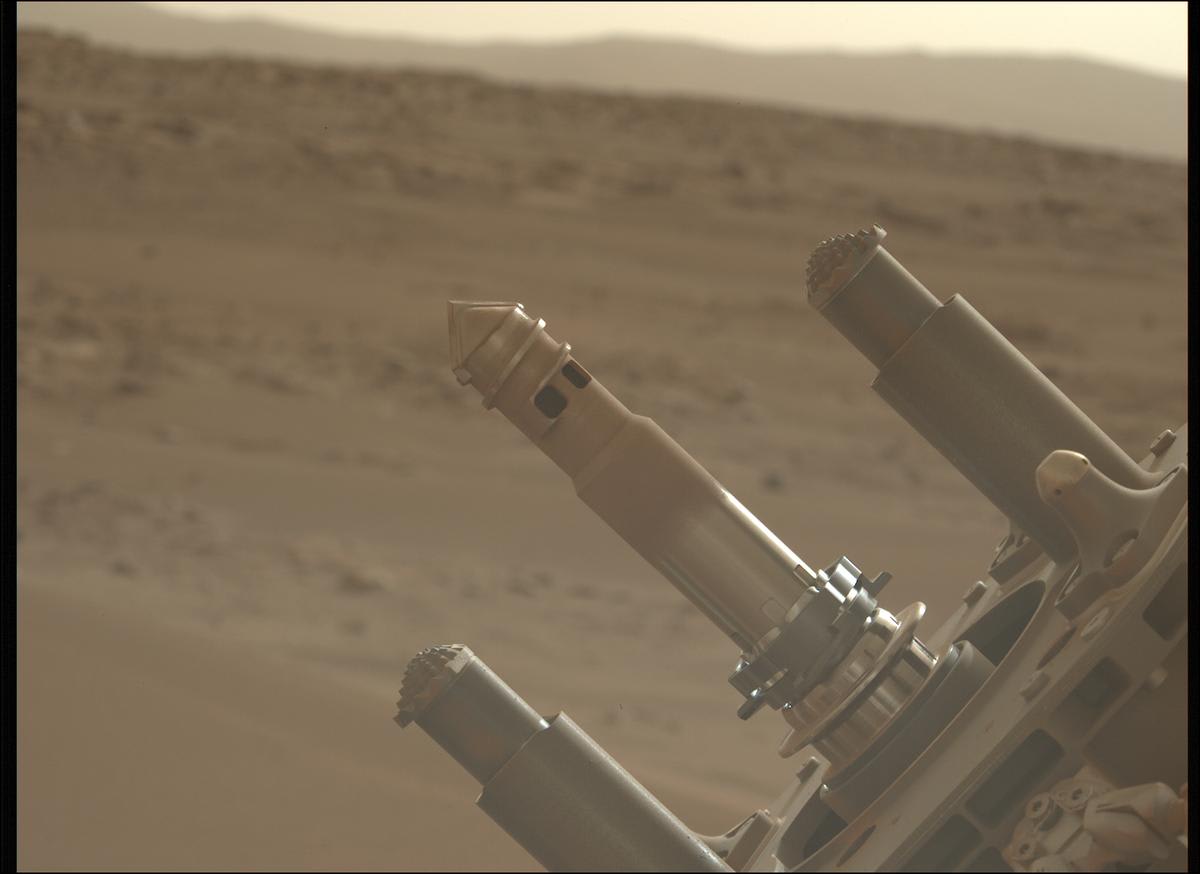
These advances also support NASA's broader vision of reaching Mars. The lessons learned extracting resources on the Moon will apply to the Red Planet, where self-sufficiency isn't just convenient but essential for survival.
The Moon is becoming humanity's proving ground for living off the land among the stars.
More Images


Based on reporting by Google News - Technology
This story was written by BrightWire based on verified news reports.
Spread the positivity!
Share this good news with someone who needs it