NASA Captures First Bubble Around Sun-Like Star
Astronomers just photographed something never seen before: a protective bubble surrounding a young star similar to our Sun. The discovery reveals how stars create shields that protect planets from harmful cosmic radiation.
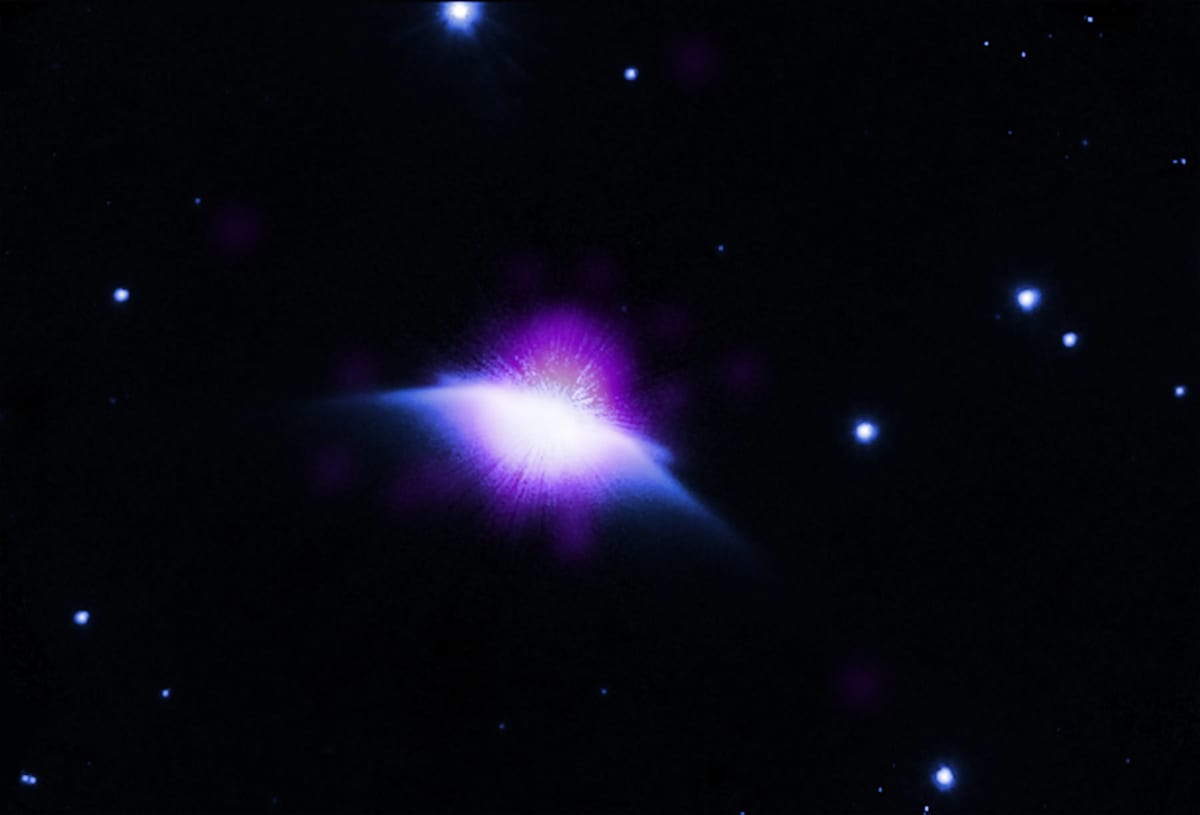
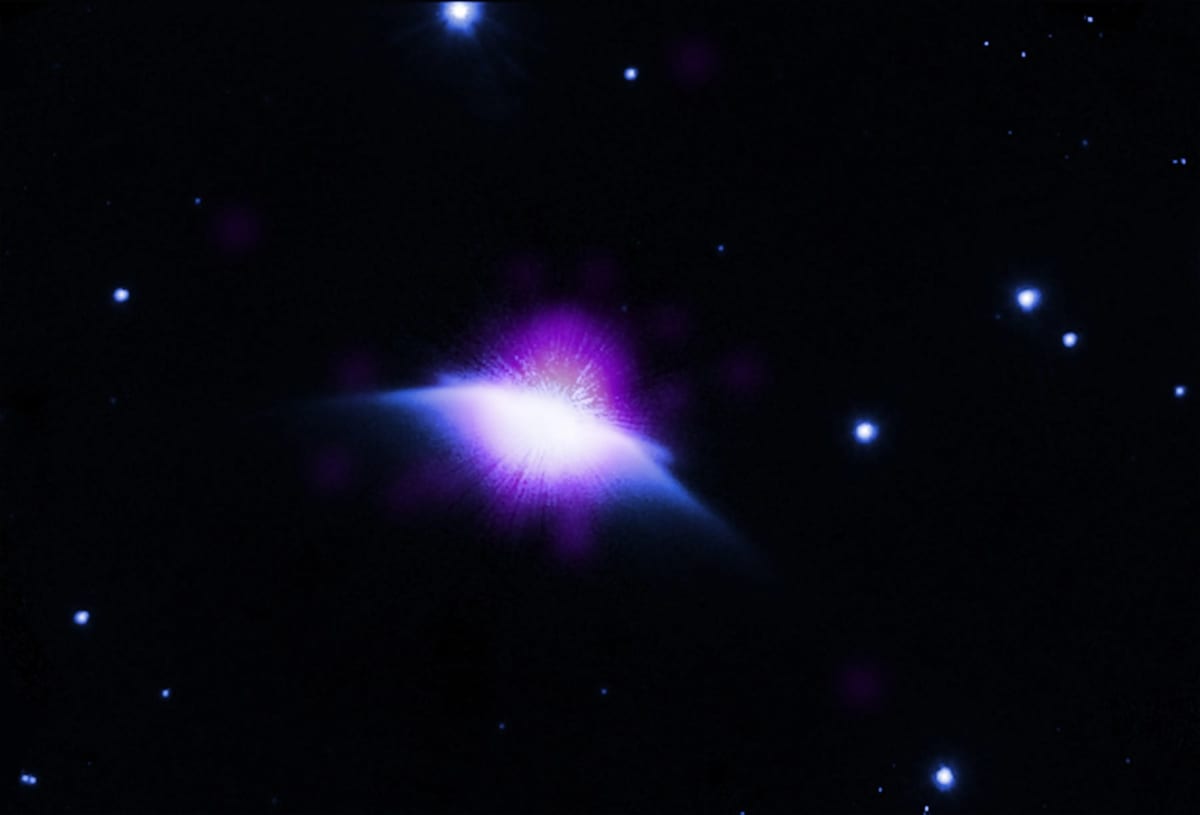
For the first time ever, scientists have captured an image of a bubble blown by a young star nearly identical to our Sun.
NASA's Chandra X-ray Observatory photographed the cosmic bubble, called an astrosphere, completely surrounding the juvenile star. The image, released in February 2026, shows winds streaming from the star's surface and inflating the bubble with hot gas as it pushes into the cooler galactic material around it.
Our own Sun creates an identical protective bubble called the heliosphere. This invisible shield extends far past Pluto and protects Earth and all the other planets from dangerous cosmic radiation streaming through space.
Until now, astronomers could only see Sun-like stars as single points of light. This groundbreaking image shows the bubble's extended shape for the first time, giving scientists their clearest look yet at how these stellar shields form and work.
The discovery came from astronomers at Johns Hopkins University working with data from multiple NASA and European Space Agency instruments. They combined X-ray observations with infrared imaging to reveal the bubble's structure in stunning detail.
Why This Inspires
This discovery connects us directly to stars across the galaxy. Every Sun-like star out there is blowing its own protective bubble, potentially sheltering planets and life just like ours.
The image proves that our solar system isn't unique. Wherever young stars similar to the Sun exist, they're creating the same protective environments that make Earth habitable.
Scientists can now study how these bubbles evolve as stars age. Understanding this process helps reveal which distant solar systems might harbor conditions friendly to life.
The breakthrough also demonstrates how our Sun looked billions of years ago when it was young. We're essentially seeing our own star's baby picture reflected in this distant stellar sibling.
This window into stellar evolution will guide the search for habitable worlds beyond our solar system.
More Images
Based on reporting by NASA
This story was written by BrightWire based on verified news reports.
Spread the positivity!
Share this good news with someone who needs it