NASA Captures New Moon Crater From SpaceX Rocket Impact
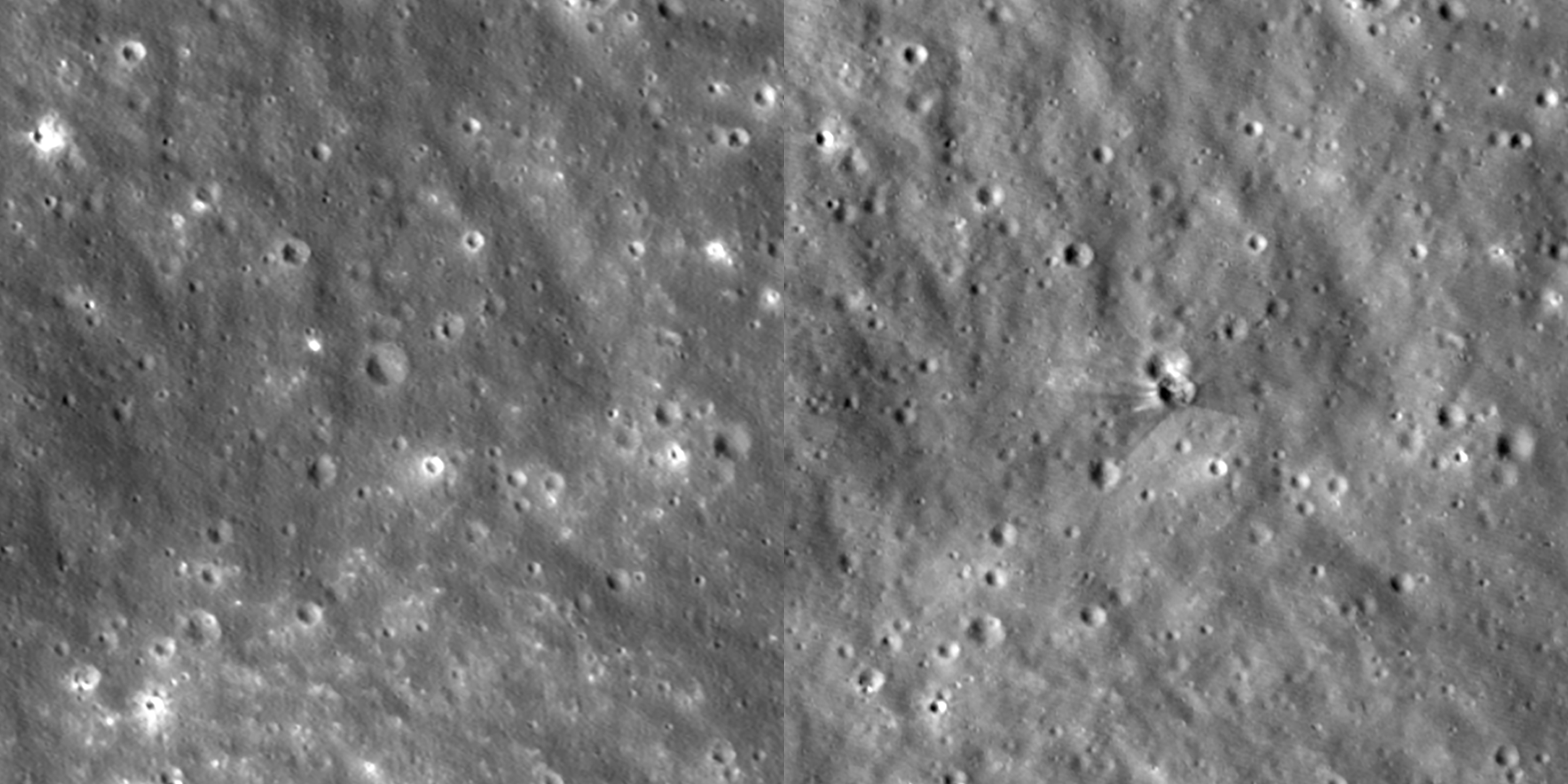
NASA's Lunar Reconnaissance Orbiter photographed a 60-foot crater created when a SpaceX rocket stage hit the Moon in August 2026. The discovery showcased remarkable global teamwork between space agencies, independent astronomers, and cutting-edge planetary defense technology.
A rocket booster traveling at incredible speed struck the Moon on August 5, 2026, and NASA's orbiting spacecraft captured stunning before-and-after images of the 60-foot-wide crater it created.
The Lunar Reconnaissance Orbiter had to perform an intricate ballet to photograph the impact site. Engineers tilted the spacecraft while it zoomed 60 miles above the Moon's surface at one mile per second, waiting six days for the crater to rotate into view.
Timing was everything. If the camera clicked even 10 seconds too early or late, the target would drift 10 miles off center.
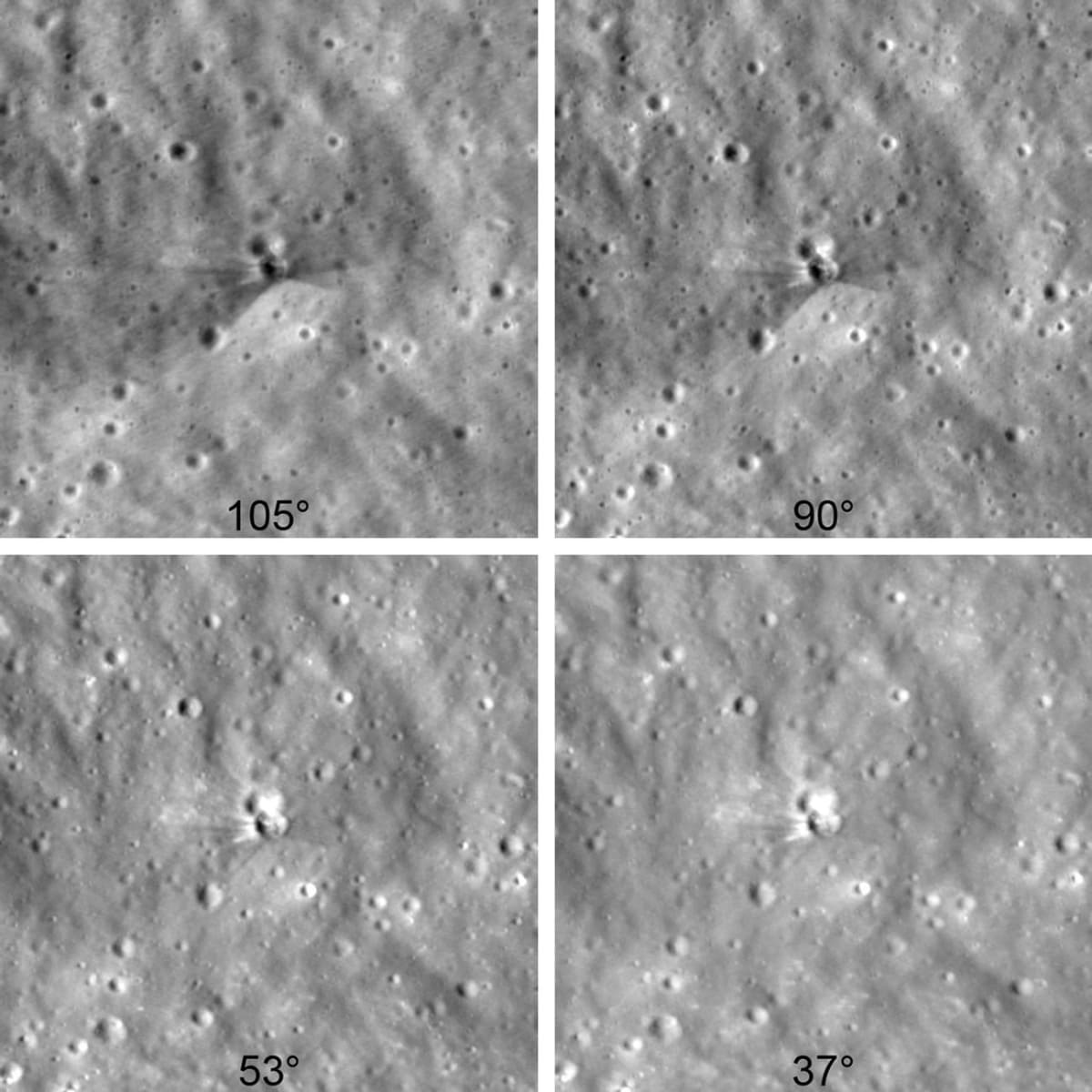
The crater formed when a SpaceX Falcon 9 upper stage from the January 2025 Firefly Blue Ghost 1 mission finally returned to the Moon. NASA measured the crater at less than 10 feet deep using shadows cast across its rim.
The images revealed beautiful rays stretching outward from the impact point. Darker streaks contained lunar dust weathered over eons by solar wind and micrometeorites, while brighter material came from fresh rock excavated deep below the surface.
The Ripple Effect
Finding this crater became an unexpected lesson in global cooperation. Independent astronomers first spotted the rocket's trajectory using public data, then shared their findings with NASA.
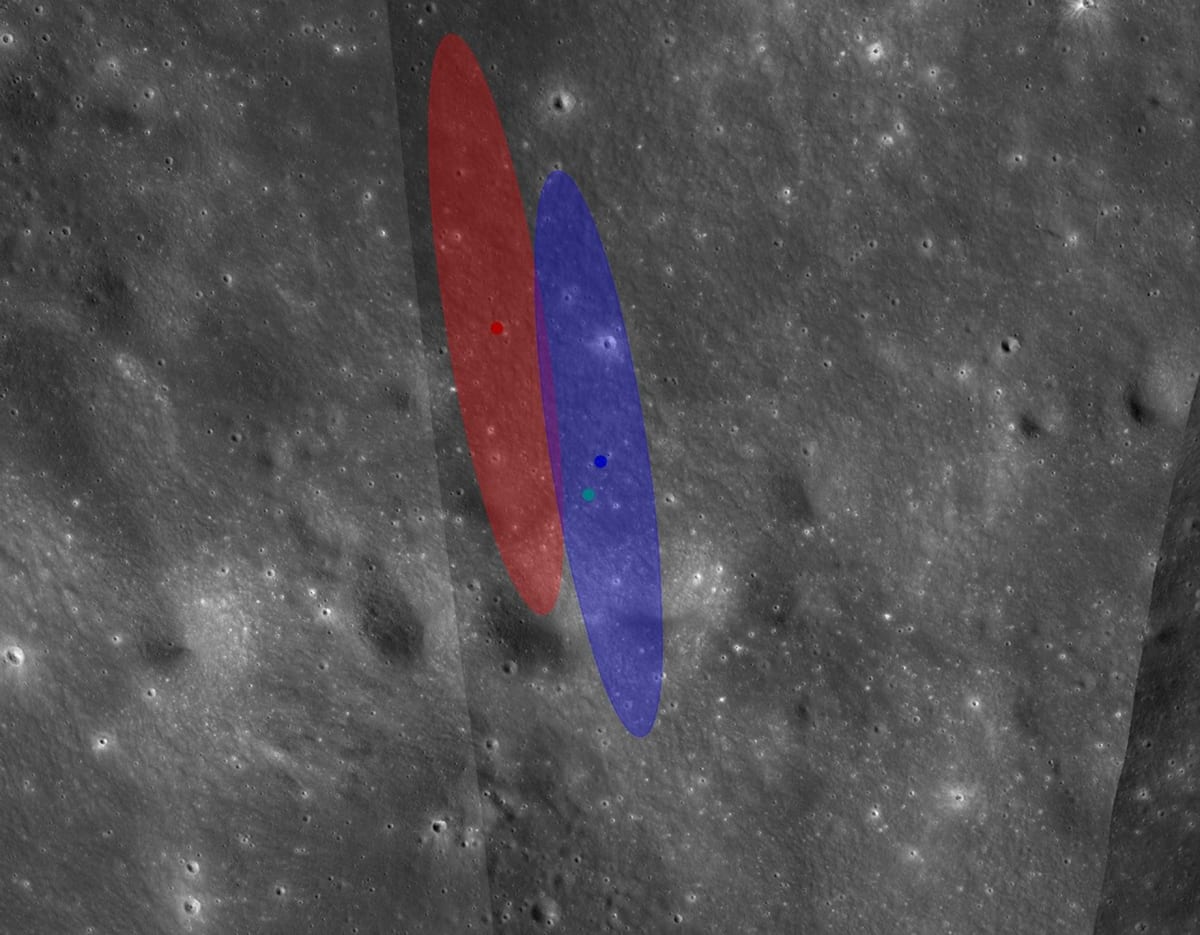
NASA's Center for Near Earth Object Studies, which normally tracks potentially hazardous asteroids, used this event to test their impact prediction tools. They calculated the crash site location and shared it with South Korea's Danuri lunar orbiter team.
The Korean spacecraft photographed the crater just hours later using its high-resolution camera. Their prediction was accurate to within 0.6 miles, validating techniques that could one day help protect Earth from dangerous space objects.
Danuri then sent updated coordinates back to NASA, helping the Lunar Reconnaissance Orbiter team refine their imaging sequence. The final crater coordinates were pinpointed with remarkable precision.
This collaboration brought together space agencies, amateur astronomers, and international partners working toward common goals. The Narrow-Angle Camera on NASA's orbiter, capable of spotting features as small as three feet wide, captured the crater under multiple lighting conditions that revealed unique geological details.
What started as routine tracking of space debris became a testament to how scientists worldwide can coordinate across borders when given the opportunity to explore together.
More Images
Based on reporting by Google: NASA discovery
This story was written by BrightWire based on verified news reports.
Spread the positivity!
Share this good news with someone who needs it