NASA Commits $20B to Build Lunar Base by 2033
NASA is redirecting its space exploration strategy with a $20 billion investment to build a permanent base on the moon's surface, while also launching a nuclear-powered spacecraft to Mars by 2028. The bold shift marks America's most ambitious space initiative since the Apollo missions ended in 1972.
America is going back to the moon, and this time we're staying.
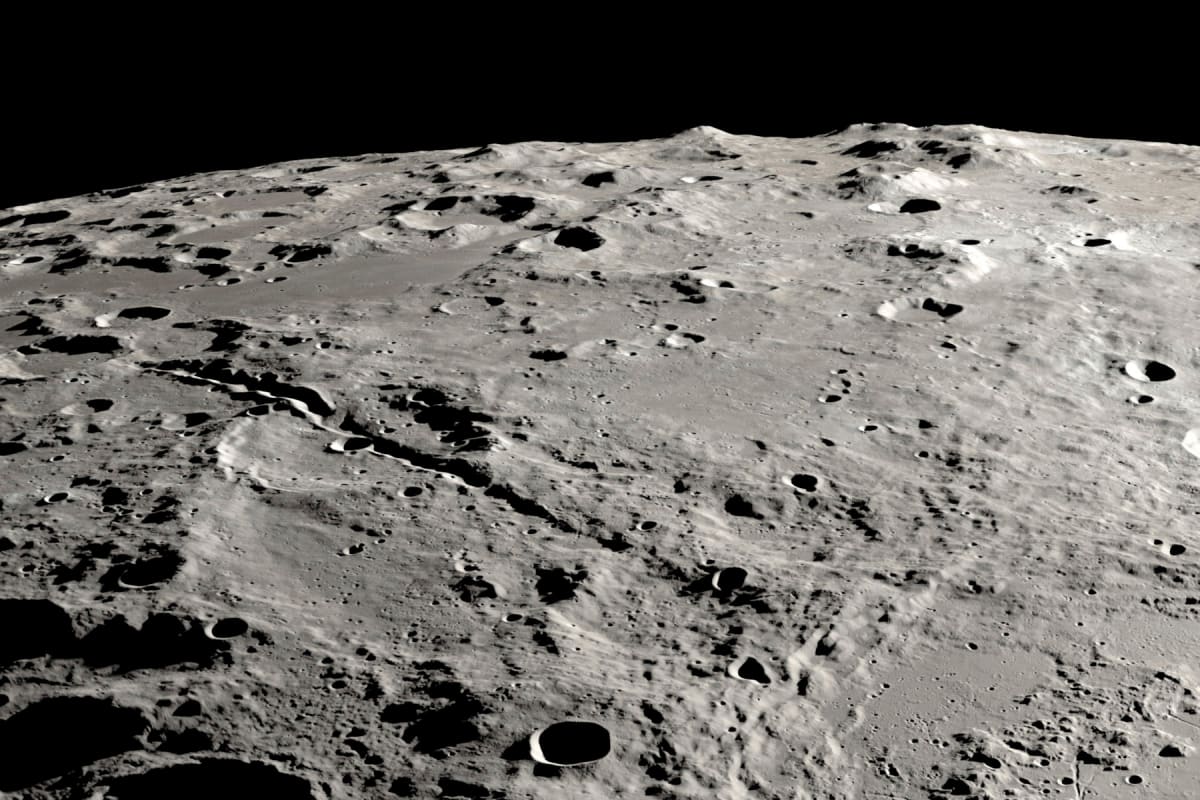
NASA announced Tuesday it's committing $20 billion over the next seven years to build a permanent base on the lunar surface. The agency is scrapping plans for a lunar orbit station and instead focusing resources on establishing long-term human presence directly on the moon.
NASA Administrator Jared Isaacman revealed the changes during a meeting in Washington, DC, with partners and contractors involved in the Artemis programme. The new strategy represents a major overhaul of how America approaches space exploration.
The planned moon base will support astronauts living and working on the lunar surface later this decade. Robotic missions will arrive first to prepare the site, test technologies, and begin building infrastructure before humans return.
But the moon is just the beginning. NASA also unveiled plans to launch Space Reactor 1 Freedom before the end of 2028, a nuclear-powered spacecraft headed to Mars.
The spacecraft will demonstrate nuclear electric propulsion in deep space and deliver helicopters to the Red Planet. These helicopters will be similar to Ingenuity, the first aircraft to achieve powered flight on another planet when it flew with the Perseverance rover in 2021.
The changes affect the Lunar Gateway station, originally planned as an orbiting base where astronauts would live before heading to the moon's surface. NASA now plans to repurpose some Gateway components for use on the lunar surface instead, maximizing resources for the base itself.
Why This Inspires
This isn't just about space exploration. It's about what happens when we aim higher than we thought possible.
The decision reflects growing competition with China, which aims to land astronauts on the moon by 2030. But competition is driving innovation, pushing both nations to achieve what seemed impossible just years ago.
The Artemis programme represents NASA's long-awaited follow-up to the Apollo missions. Those missions inspired generations of scientists, engineers, and dreamers who looked up at the moon and imagined what humanity could accomplish.
Now a new generation gets to witness history. The moon base will serve as a proving ground for technologies that could one day support human life on Mars and beyond.
The transition from laboratory testing to operational space missions with nuclear propulsion technology marks a turning point in deep space exploration. What once existed only in science fiction is becoming our reality.
A permanent human presence on the moon begins with bold decisions made today that our children will read about in history books tomorrow.
Based on reporting by Al Jazeera English
This story was written by BrightWire based on verified news reports.
Spread the positivity!
Share this good news with someone who needs it