Webb Telescope Reveals Neptune's Hidden Auroras After 30 Years
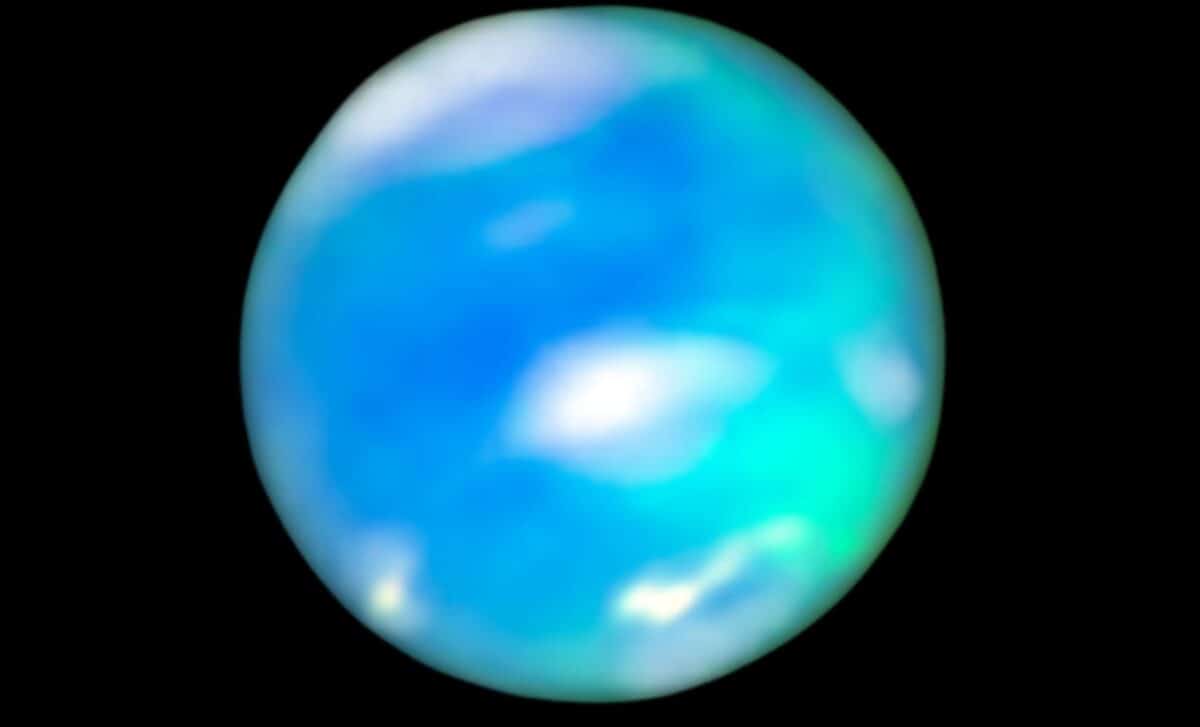
NASA's James Webb Space Telescope has finally captured Neptune's mysterious auroras, solving a puzzle that has stumped scientists since 1989. The discovery reveals stunning light shows at unusual locations on the distant ice giant and explains why they've been invisible for decades.
For the first time ever, scientists have witnessed the dazzling auroras of Neptune, ending a 30-year search that began when Voyager 2 flew past the ice giant in 1989.
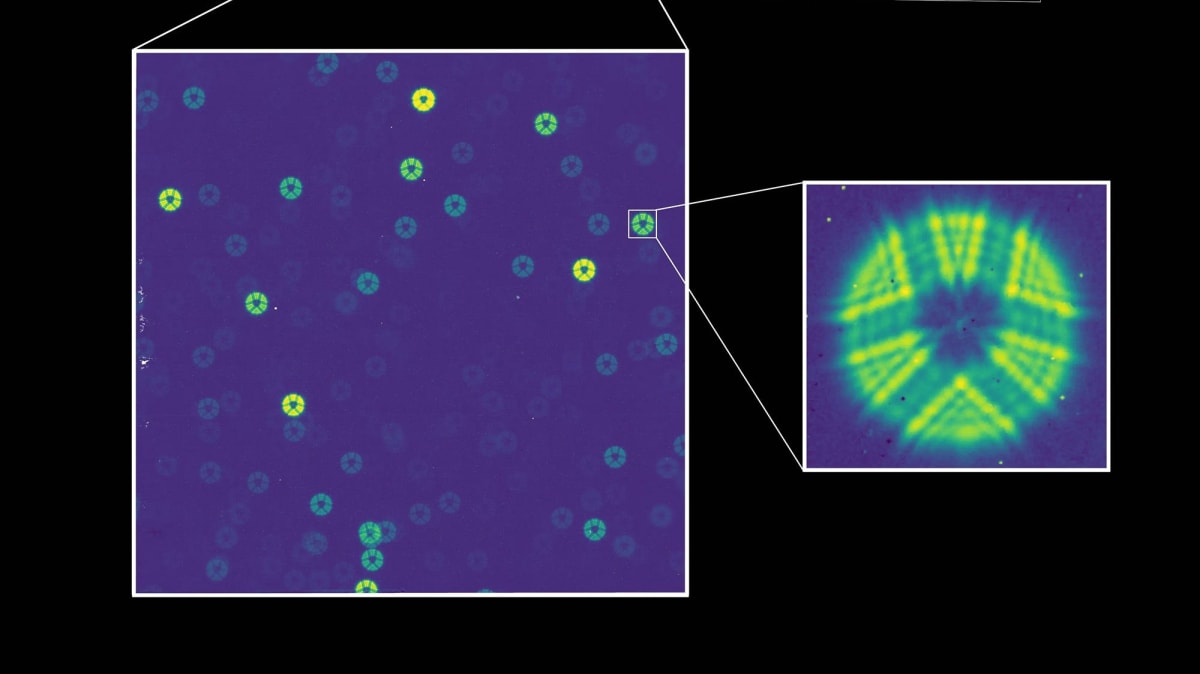
NASA's James Webb Space Telescope made the breakthrough discovery using advanced infrared technology that revealed bright auroral activity dancing across Neptune's atmosphere. The telescope's Near-Infrared Spectrograph captured the light shows in stunning detail, surprising even the researchers who had spent years searching for them.
"It was so stunning to not just see the auroras, but the detail and clarity of the signature really shocked me," said Henrik Melin, lead researcher from Northumbria University. The team also detected trihydrogen cation, a molecule that forms during auroral activity and serves as a clear marker of these cosmic light shows on gas giants.
Neptune's auroras are unlike anything seen on Earth or other planets in our solar system. While our northern and southern lights appear near the poles, Neptune's auroras glow at mid-latitudes because of the planet's dramatically tilted magnetic field, which sits at a 47-degree angle from its rotational axis.
The telescope also revealed a surprising change in Neptune's atmosphere. The planet's upper atmosphere has cooled to about half the temperature it was 30 years ago, which explains why the auroras remained hidden for so long.
"A substantially colder temperature would result in much fainter aurorae," the research team explained. This dramatic cooling happened despite Neptune sitting more than 30 times farther from the Sun than Earth, showing that even distant worlds can undergo significant atmospheric changes.
Why This Inspires
This discovery opens an entirely new window into understanding the outer reaches of our solar system. Scientists can now study Neptune's magnetic field and atmosphere in ways that were impossible before, learning how planets behave in the cold, distant edge of our cosmic neighborhood.
The breakthrough also demonstrates the power of persistence in science. What Voyager 2 hinted at decades ago has finally been confirmed, proving that some mysteries just need the right tools and patient determination to solve.
As Webb continues observing Neptune over the coming years, researchers hope to uncover even more secrets about how the ice giant's unique magnetic field formed and what drives its atmospheric changes. Future missions to Uranus and Neptune can now be designed with infrared instruments specifically tuned to study these previously hidden ionospheres.
The last frontier of giant planet exploration has finally opened.
More Images


Based on reporting by Google: James Webb telescope
This story was written by BrightWire based on verified news reports.
Spread the positivity!
Share this good news with someone who needs it