Search

Find uplifting stories about heroes, innovations, and solutions

93 results for "neptune"

Webb Telescope Reveals Neptune's Ancient Cosmic Crash
InnovationAug 22

Webb Telescope Reveals Neptune's Ancient Cosmic Crash

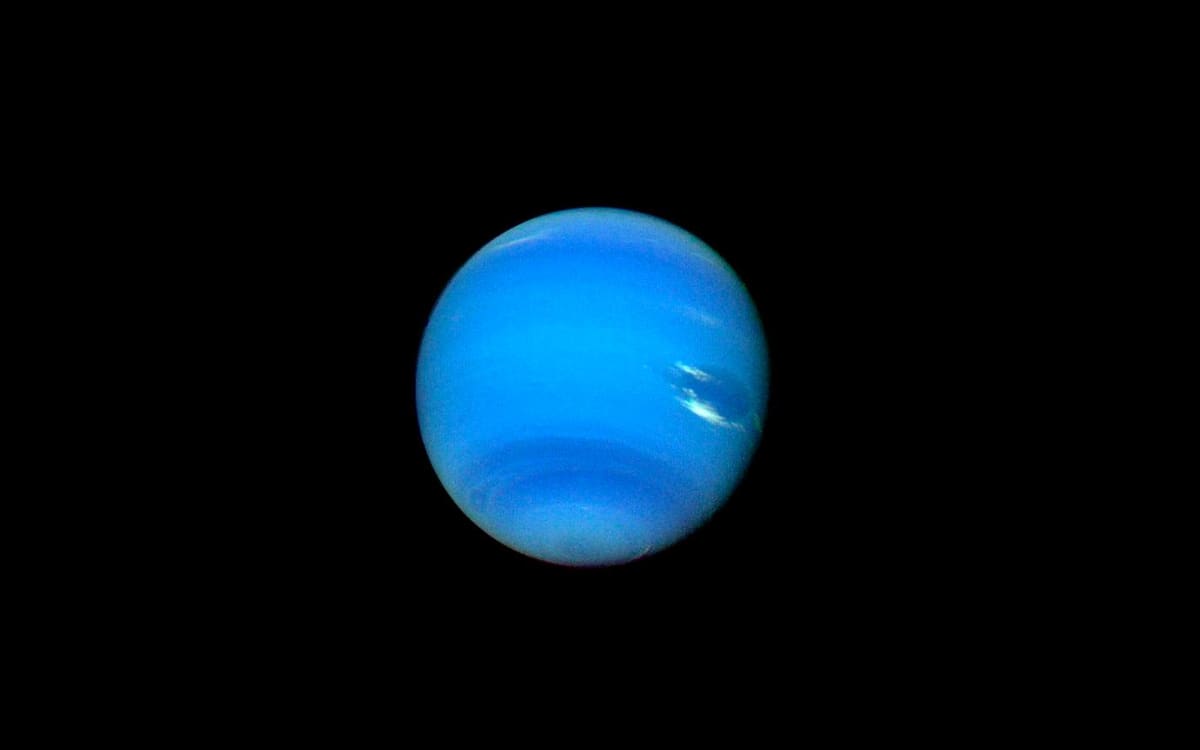
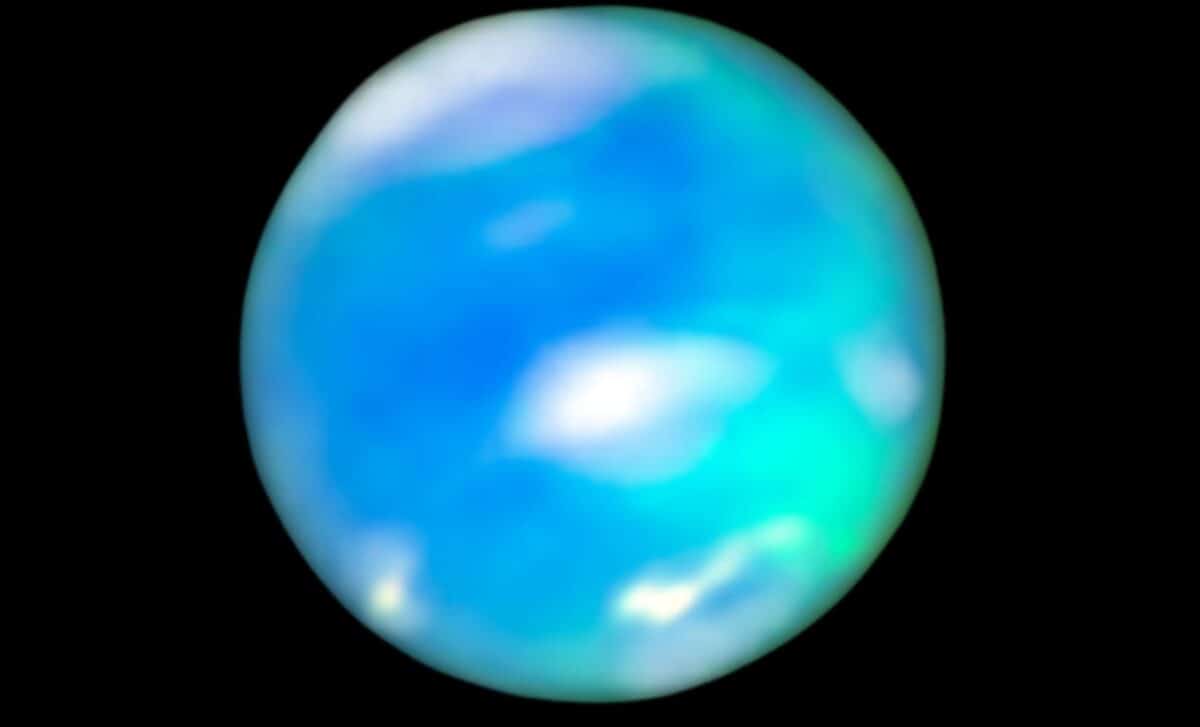
NASA's James Webb Space Telescope just uncovered evidence of a massive celestial collision billions of years ago that reshaped Neptune's entire moon system. The discovery gives scientists their first direct look at material normally hidden deep inside icy worlds.
Google: James Webb telescope3 min read
Neptune's Moon Nereid Survived Billion-Year Cosmic Crash
Planet WinsMay 23

Neptune's Moon Nereid Survived Billion-Year Cosmic Crash

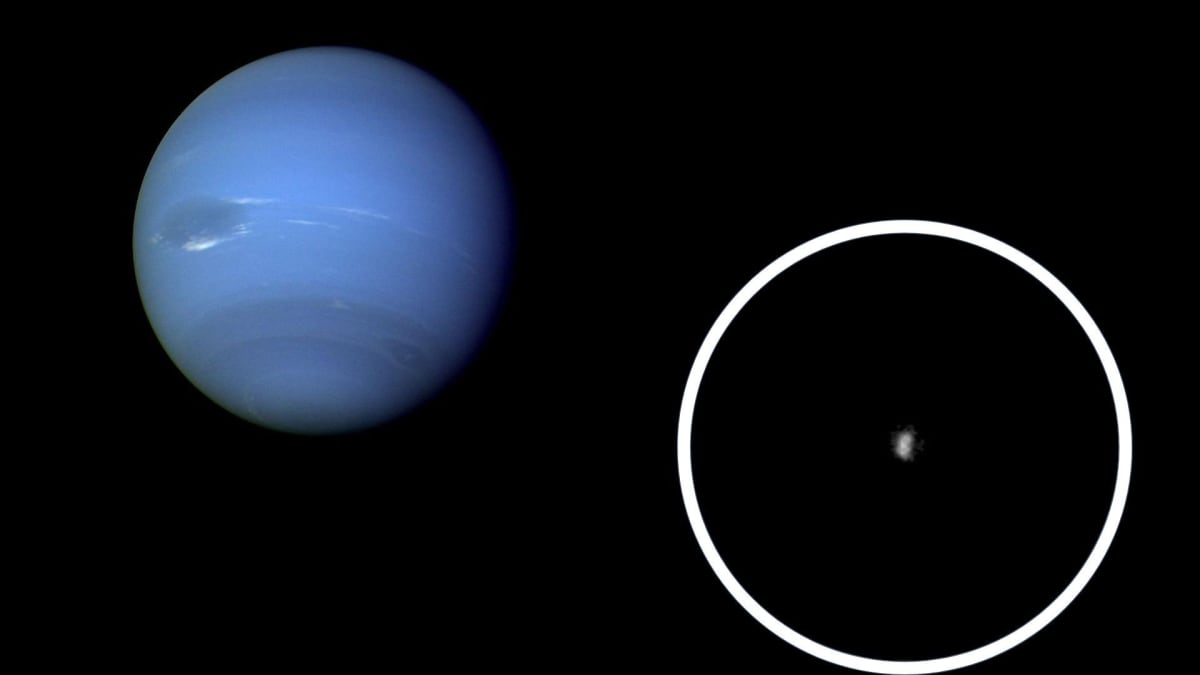
Scientists using the Webb telescope discovered that Neptune's moon Nereid is the sole survivor of an ancient collision that destroyed the planet's original moons 4 billion years ago. The finding rewrites our understanding of how chaotic our solar system once was.

Google News - Science2 min read
Webb Telescope Reveals Neptune's Hidden Auroras After 30 Years
InnovationMay 8

Webb Telescope Reveals Neptune's Hidden Auroras After 30 Years

NASA's James Webb Space Telescope has finally captured Neptune's mysterious auroras, solving a puzzle that has stumped scientists since 1989. The discovery reveals stunning light shows at unusual locations on the distant ice giant and explains why they've been invisible for decades.

Google: James Webb telescope2 min read
Neptune Moon Nereid May Be 4 Billion Year Old Survivor
Global NewsMay 21

Neptune Moon Nereid May Be 4 Billion Year Old Survivor

New telescope data suggests Neptune's moon Nereid survived a catastrophic collision that wiped out the planet's original moons over 4 billion years ago. The discovery challenges what scientists thought they knew about how our solar system formed.

Google News - Science2 min read
Neptune's Moon Nereid May Be 4.5 Billion Years Old
Planet WinsMay 23

Neptune's Moon Nereid May Be 4.5 Billion Years Old

Scientists using the James Webb Space Telescope discovered that Nereid, Neptune's third-largest moon, might be the only survivor from when the planet first formed billions of years ago. This finding could unlock mysteries about how planets across the universe develop their moons.

Google News - Science2 min read
Scientists Find "Spiral Ice" Inside Uranus and Neptune
InnovationApr 21

Scientists Find "Spiral Ice" Inside Uranus and Neptune

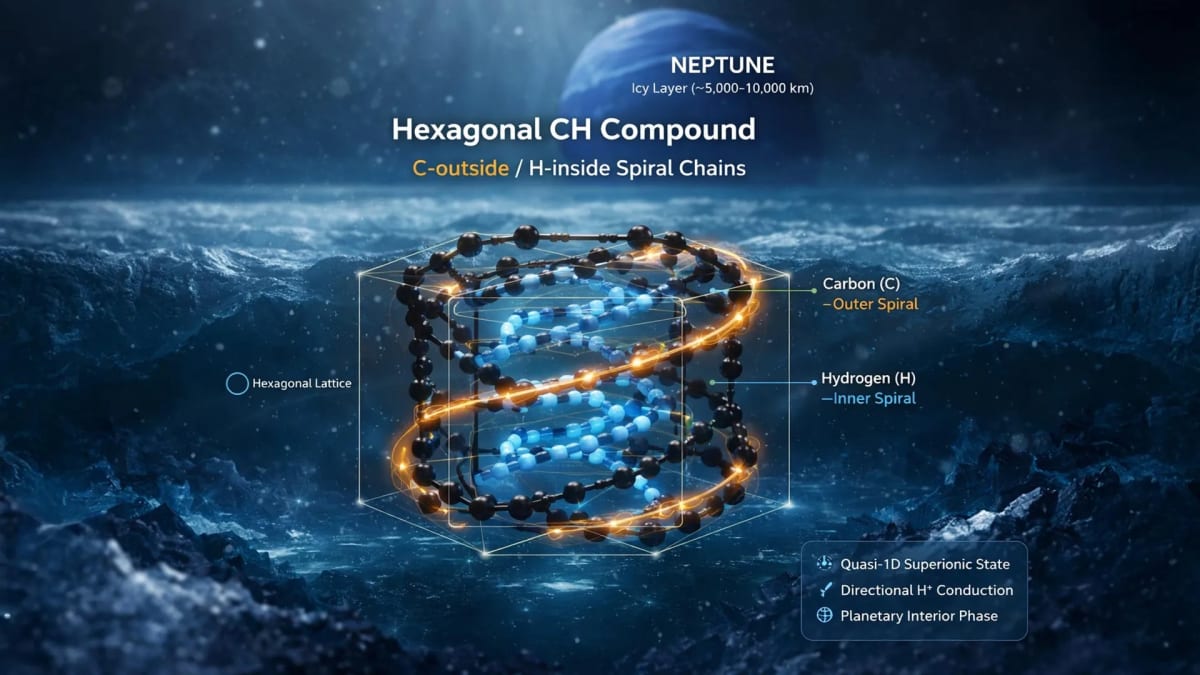
Deep inside distant ice giants, carbon and hydrogen atoms may be dancing through each other in a stunning new pattern never seen before. This discovery could finally explain why these planets have such strange magnetic fields.

Science Daily2 min read
Neptune Lines Fits Ships With Carbon Capture Technology
Planet WinsMay 29

Neptune Lines Fits Ships With Carbon Capture Technology

Two car carrier ships are getting a major green upgrade that slashes pollution today and prepares them to capture carbon tomorrow. It's the first time this innovative technology has been installed on this type of vessel.

Google News - Emissions Reduction2 min read
Webb and Hubble Find 27 Mystery Objects Beyond Neptune
Innovation6d ago

Webb and Hubble Find 27 Mystery Objects Beyond Neptune

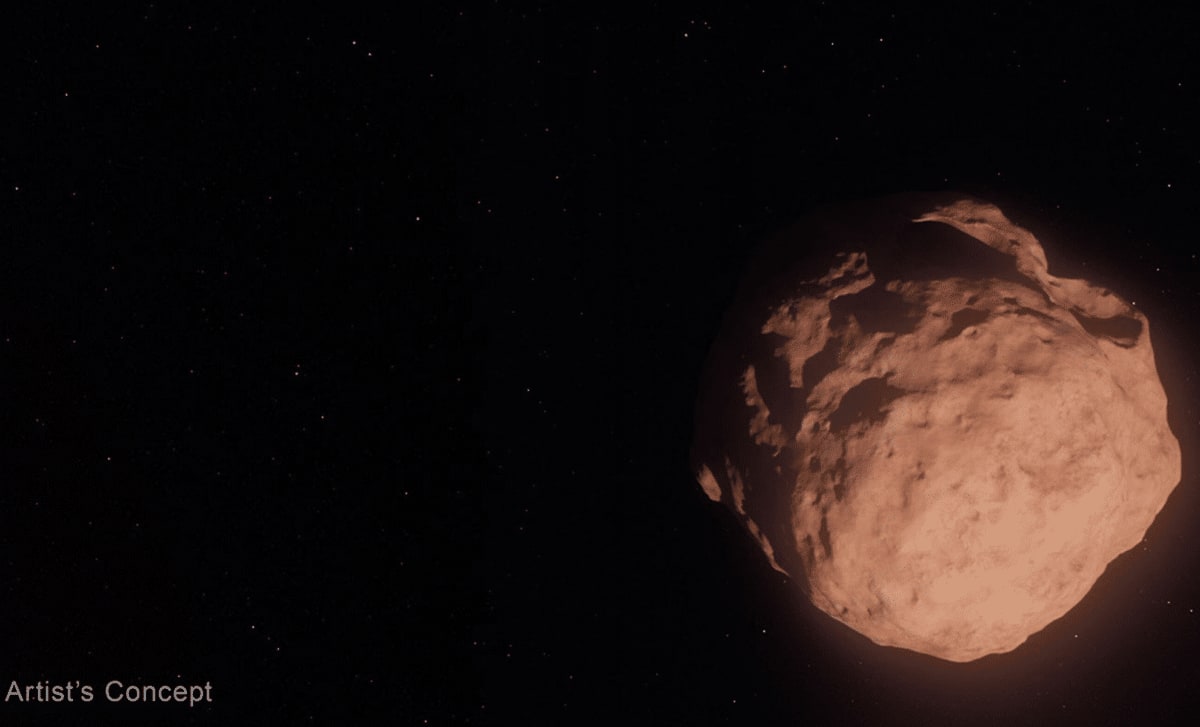
Two powerful space telescopes just discovered 27 tiny, icy worlds orbiting in the outer reaches of our solar system, and they're rewriting what scientists thought they knew about how planets form. These cosmic time capsules have somehow stayed pristine for billions of years, defying all predictions.

Google: James Webb telescope2 min read
September 2026: Venus, Neptune, and a Diamond Moon Await
Daily MixSep 2

September 2026: Venus, Neptune, and a Diamond Moon Await

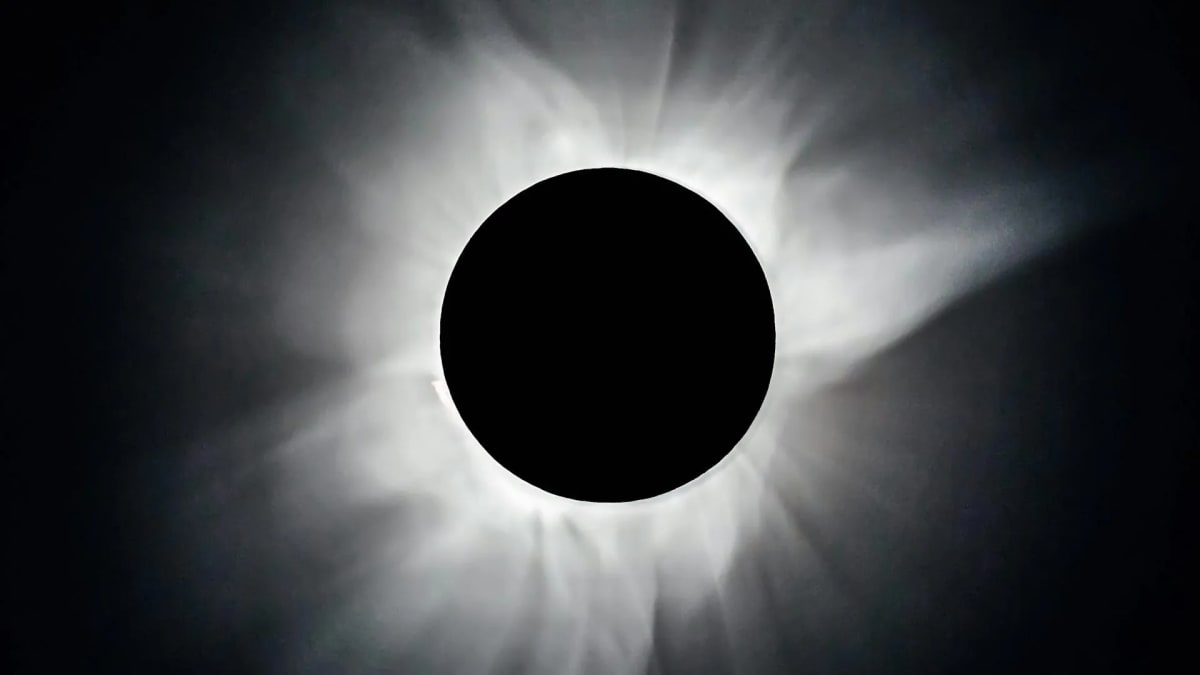
September 2026 brings a sky full of wonders you can spot without fancy equipment. From Venus shining at its brightest to the moon appearing to wear diamonds, this month offers stargazers something special almost every week.

Wired Science3 min read
NASA Telescopes Find 27 Tiny Ice Worlds Beyond Neptune
Innovation6d ago

NASA Telescopes Find 27 Tiny Ice Worlds Beyond Neptune

NASA's most powerful telescopes just discovered 27 tiny ice worlds at the edge of our solar system, offering a glimpse into how planets first formed billions of years ago. These pristine building blocks have preserved their original state since the dawn of our cosmic neighborhood.

Google: NASA discovery2 min read
Hubble and Webb Discover 27 Pristine Objects Beyond Neptune
Planet Wins6d ago

Hubble and Webb Discover 27 Pristine Objects Beyond Neptune

Two of NASA's most powerful space telescopes teamed up to find 27 tiny, icy objects at the edge of our solar system that look exactly as they did 4.6 billion years ago. Scientists are puzzled by how these ancient space rocks stayed unchanged for so long.

Space.com3 min read
NASA's Twin Telescopes Reveal Mystery Beyond Neptune
Innovation5d ago

NASA's Twin Telescopes Reveal Mystery Beyond Neptune

NASA teamed up its two most powerful space telescopes for the first time and discovered something unexpected in the outer reaches of our solar system. The finding is rewriting what scientists thought they knew about planet formation.

Google: James Webb telescope2 min read
Scientists Find New Matter State in Ice Giant Planets
InnovationMay 20

Scientists Find New Matter State in Ice Giant Planets

Researchers discovered a bizarre new phase of matter that may exist deep inside Uranus and Neptune, where hydrogen atoms travel along spiral pathways through carbon crystals. This breakthrough could finally explain why these distant worlds have such unusual magnetic fields.

Google News - Scientists Discover2 min read
MIT Solves Mystery of Planetary Odd Couple 190 Light Years Away
Planet WinsMay 5

MIT Solves Mystery of Planetary Odd Couple 190 Light Years Away

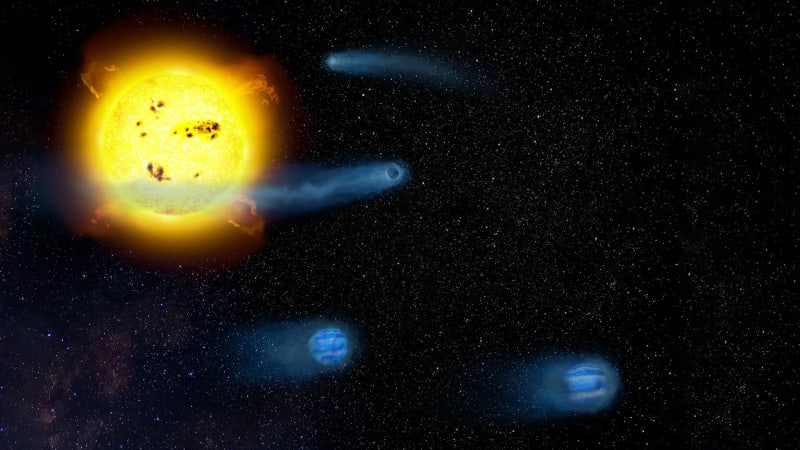
Scientists discovered how a rare mini-Neptune and hot Jupiter became neighbors, solving a puzzle that's stumped astronomers since 2020. The breakthrough reveals these planets formed far from their star and traveled billions of miles together over time.

MIT News3 min read
Two Planets Survived Trip to Their Star by Sticking Together
Planet WinsMay 7

Two Planets Survived Trip to Their Star by Sticking Together

Astronomers discovered how a mini-Neptune survived alongside a massive hot Jupiter by migrating toward their star together, defying the usual cosmic rule. The breakthrough came from studying the smaller planet's atmosphere with the James Webb Space Telescope.

Space.com3 min read
Scientists Find Missing Link in How Planets Form
InnovationFeb 1

Scientists Find Missing Link in How Planets Form

Astronomers discovered four "baby" planets caught in the act of transforming into the galaxy's most common type of world. The breakthrough solves a mystery about how super-Earths and sub-Neptunes take shape.

Science Daily3 min read
Six Planets Align This Weekend in Rare Night Sky Show
Planet WinsFeb 28

Six Planets Align This Weekend in Rare Night Sky Show

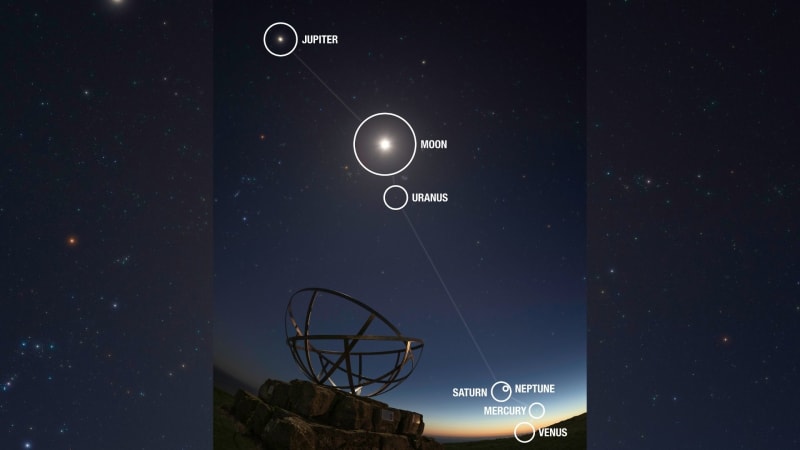
Jupiter, Saturn, Venus, Mercury, Neptune and Uranus will parade across the sky together this weekend in a celestial event that won't happen again until 2040. Four of them will be visible without any special equipment.

Google News - Science3 min read
Mystery Planet Nine Might Exist—Just Farther Than We Thought
Planet WinsJun 9

Mystery Planet Nine Might Exist—Just Farther Than We Thought

Astronomers are finding new clues about a hidden giant planet beyond Neptune, and the mystery is getting more exciting. Fresh discoveries suggest Planet Nine could be real but lurking much farther away than anyone expected.

Science Daily2 min read
NASA Telescopes Find 4.5 Billion-Year-Old Cosmic Time Capsules
InnovationSep 9

NASA Telescopes Find 4.5 Billion-Year-Old Cosmic Time Capsules

Scientists using NASA's most powerful telescopes discovered tiny frozen worlds beyond Neptune that have preserved conditions from the solar system's birth. These ancient objects are revealing surprising secrets about how planets formed billions of years ago.

Google: James Webb telescope3 min read
Photographer Captures All 6 Planets in One Stunning Shot
Planet WinsFeb 28

Photographer Captures All 6 Planets in One Stunning Shot

Award-winning photographer Josh Dury captured a rare six-planet parade stretching across nearly 180 degrees of sky from England's southern coast. The cosmic lineup, visible through February 28, includes Mercury, Venus, Jupiter, Saturn, Uranus, and Neptune in one breathtaking image.

Space.com2 min read

Showing 20 of 93