NASA Telescopes Find 4.5 Billion-Year-Old Cosmic Time Capsules
Scientists using NASA's most powerful telescopes discovered tiny frozen worlds beyond Neptune that have preserved conditions from the solar system's birth. These ancient objects are revealing surprising secrets about how planets formed billions of years ago.
Tiny frozen worlds at the edge of our solar system have been keeping a 4.5 billion-year-old secret, and NASA's telescopes just unlocked it.
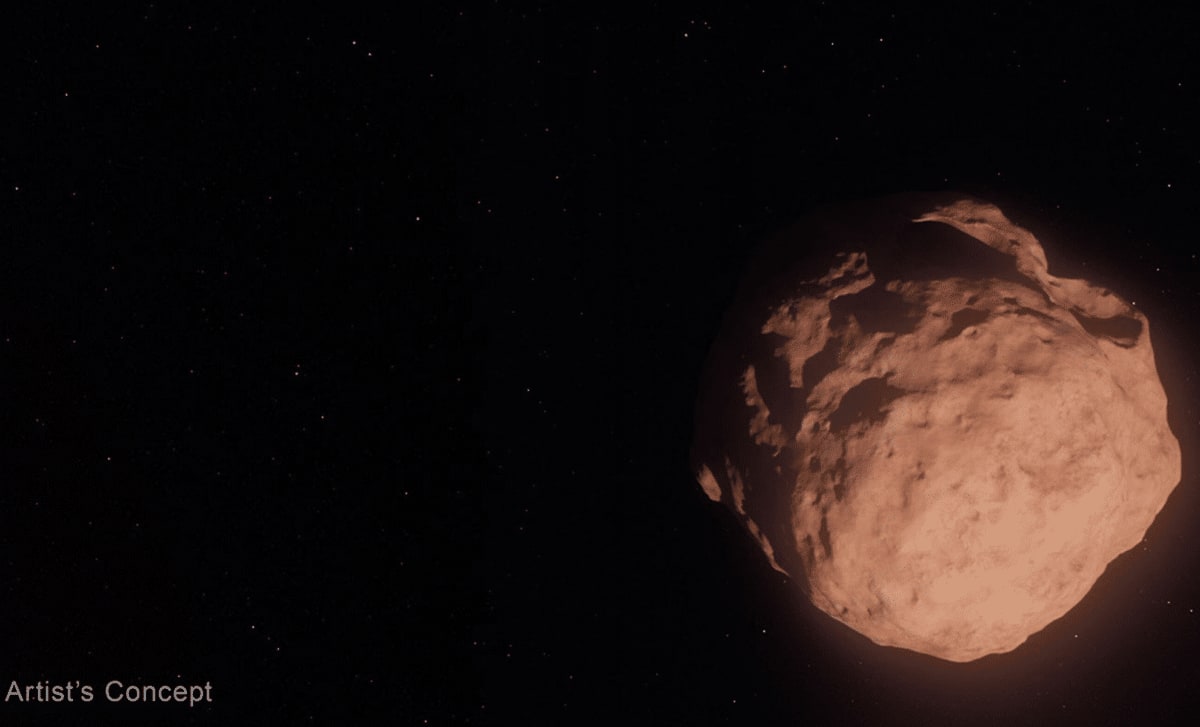
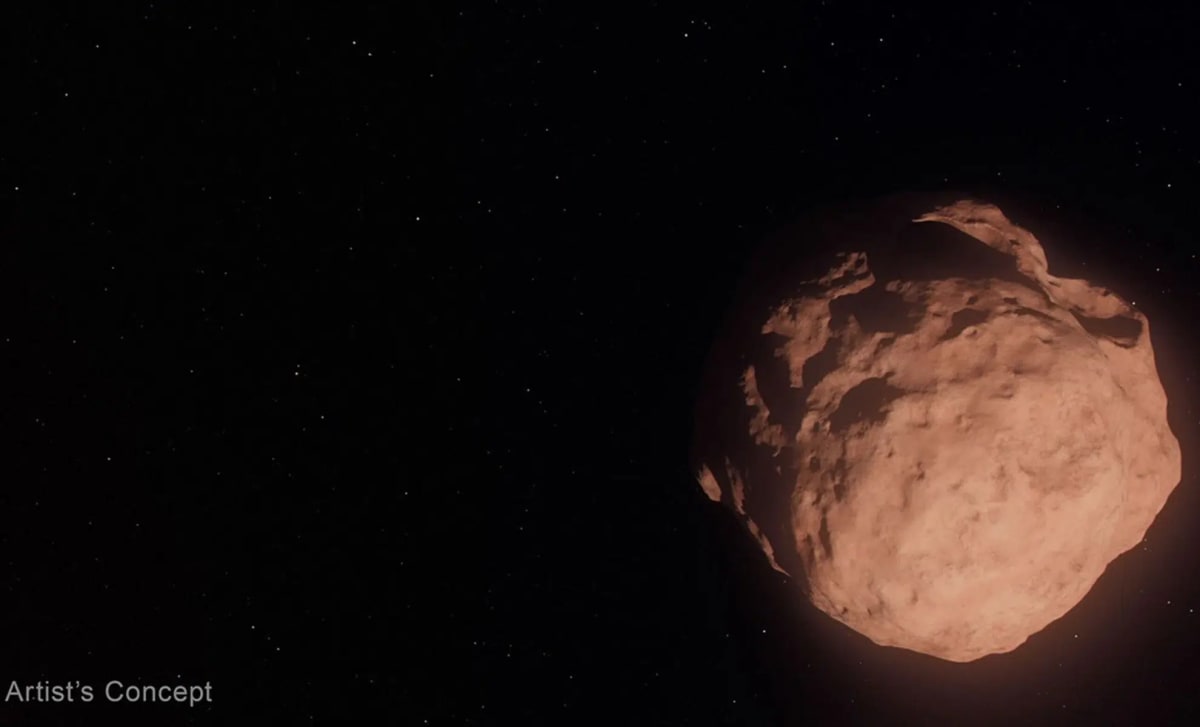
Scientists using the Hubble and James Webb space telescopes discovered that some of the smallest objects beyond Neptune look remarkably similar to when the solar system first formed. These frozen bodies, called trans-Neptunian objects, are among the faintest objects ever directly observed, yet they're giving researchers an unprecedented window into planetary birth.
The discovery surprised astronomers who expected these ancient remnants to show obvious scars from billions of years of cosmic collisions. Instead, even the tiniest objects preserved the same colors and chemical signatures as their larger relatives, suggesting their surfaces have barely changed since the dawn of our solar system.
Anastasia Morgan, a Ph.D. candidate at Northern Arizona University who led the color and composition study, captured the wonder of the finding. "It's really fascinating to see that the smallest objects are somehow 'remembering' and preserving the history of how they were made," she said.
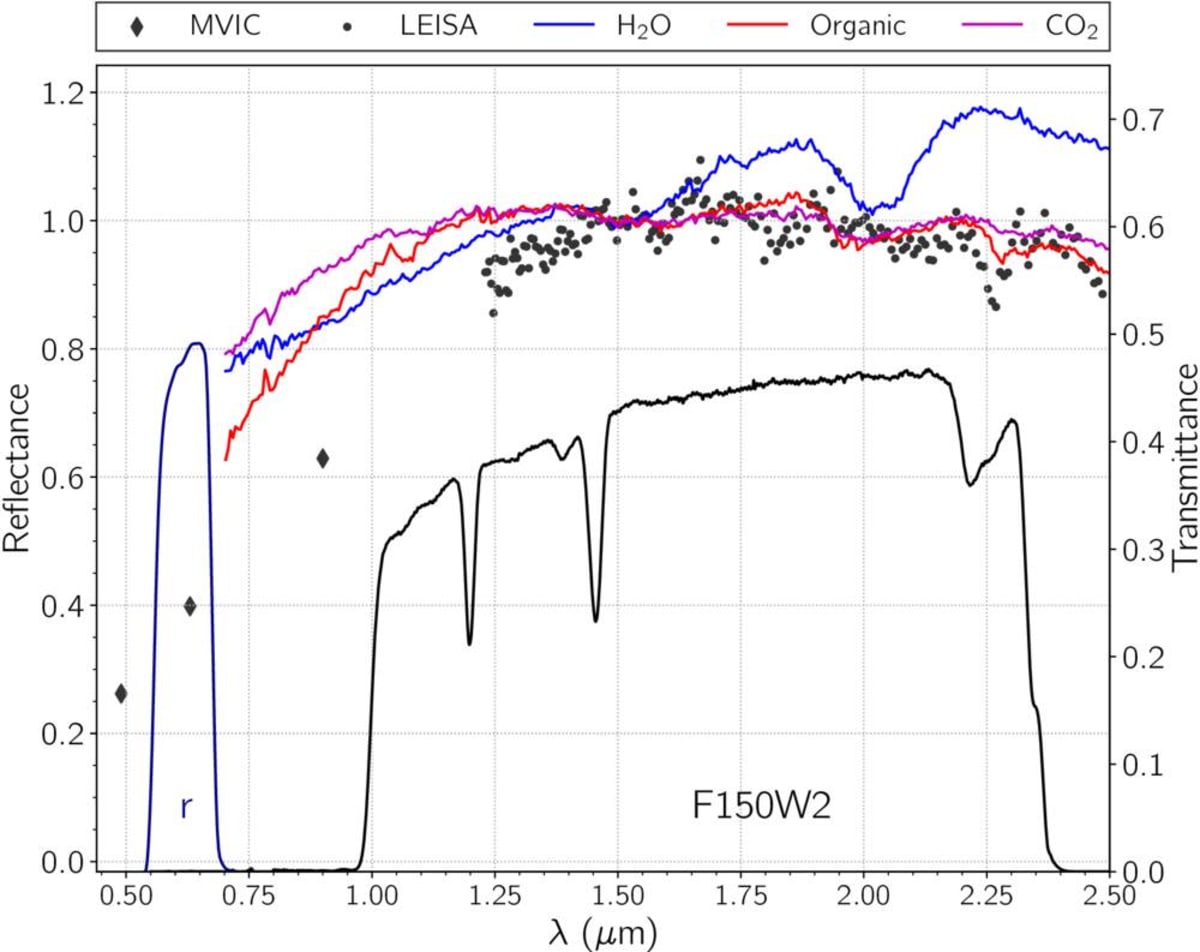
The research teams studied 27 newly discovered tiny TNOs, combining Hubble's ability to measure visible light colors with Webb's infrared vision to determine their sizes. They examined two different groups: objects that stayed in relatively circular orbits and others that formed near Uranus and Neptune before being flung outward when the giant planets migrated.
Both groups told the same story. Despite traveling dramatically different paths through space for billions of years, these objects retained signatures from their birthplace.
The findings, published in two studies in the Astronomical Journal, suggest something remarkable about our solar system's early days. Either the outer regions experienced fewer violent collisions than scientists predicted, or these frozen time capsules have some mechanism that protects their original composition across eons.
The Bright Side
This discovery does more than solve an astronomical puzzle. It shows that nature can preserve delicate records far longer than we imagined possible.
These tiny frozen worlds survived countless cosmic events that reshaped the solar system, from planetary migrations to bombardments that created craters across moons and planets. Yet they held onto their original chemical makeup like cosmic memory keepers.
The research demonstrates how combining different telescope technologies can reveal truths hidden in plain sight for billions of years. What seemed like simple icy rocks turned out to be irreplaceable archives documenting the conditions that gave birth to Earth and the other planets.
Understanding how these building blocks formed helps scientists piece together not just our solar system's story, but potentially how planetary systems develop around other stars. Every preserved detail from those earliest days adds another page to the instruction manual for making worlds.
These ancient frozen worlds remind us that sometimes the smallest, most overlooked objects hold the biggest secrets.
More Images
Based on reporting by Google: James Webb telescope
This story was written by BrightWire based on verified news reports.
Spread the positivity!
Share this good news with someone who needs it