Universe Map With 4 Billion Objects Now Free to Explore
Scientists just released the largest 3D map of the universe ever created, and anyone with internet access can explore its 4 billion stars, galaxies, and black holes. The free tool lets you navigate 75 percent of the entire sky from your phone or computer.
Imagine holding 11 billion years of cosmic history in your hands, zooming through galaxies and black holes like scrolling through photos on your phone.
That's exactly what scientists just made possible. After five years of mapping the night sky from a remote Arizona mountaintop, researchers have released a free online tool that lets anyone explore the largest map of space ever created.
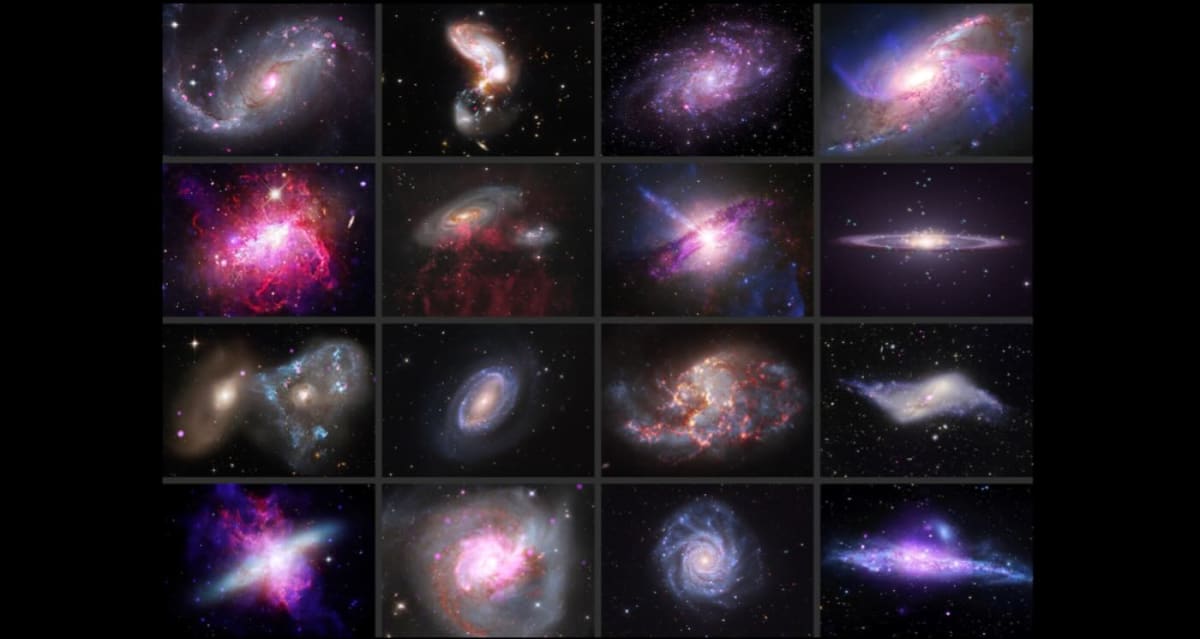
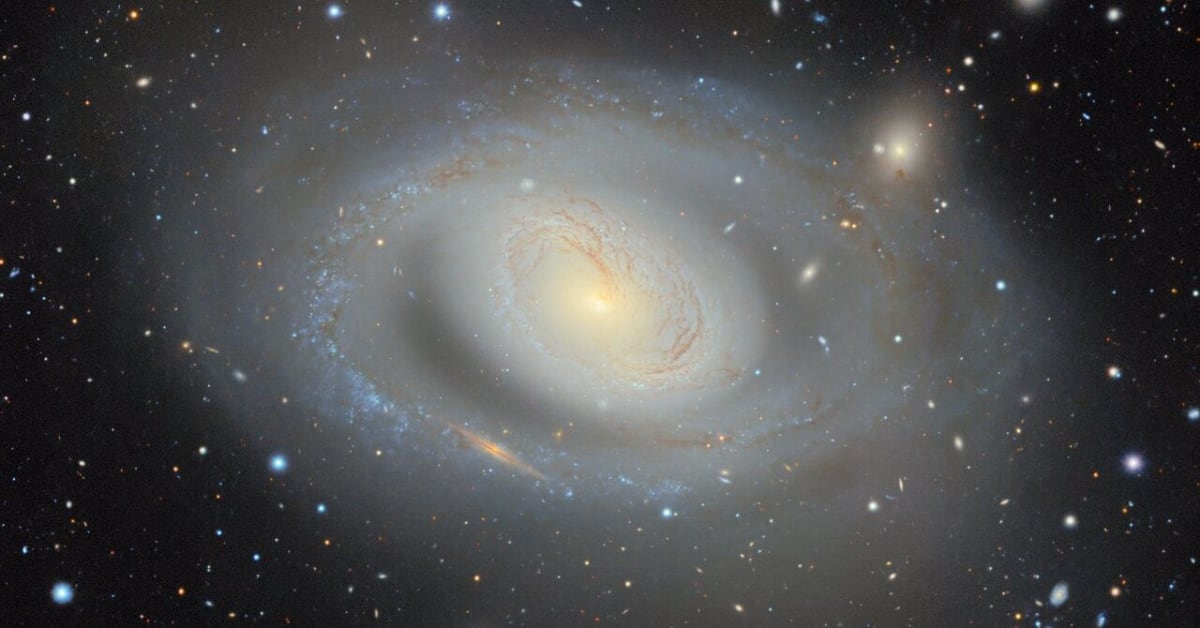
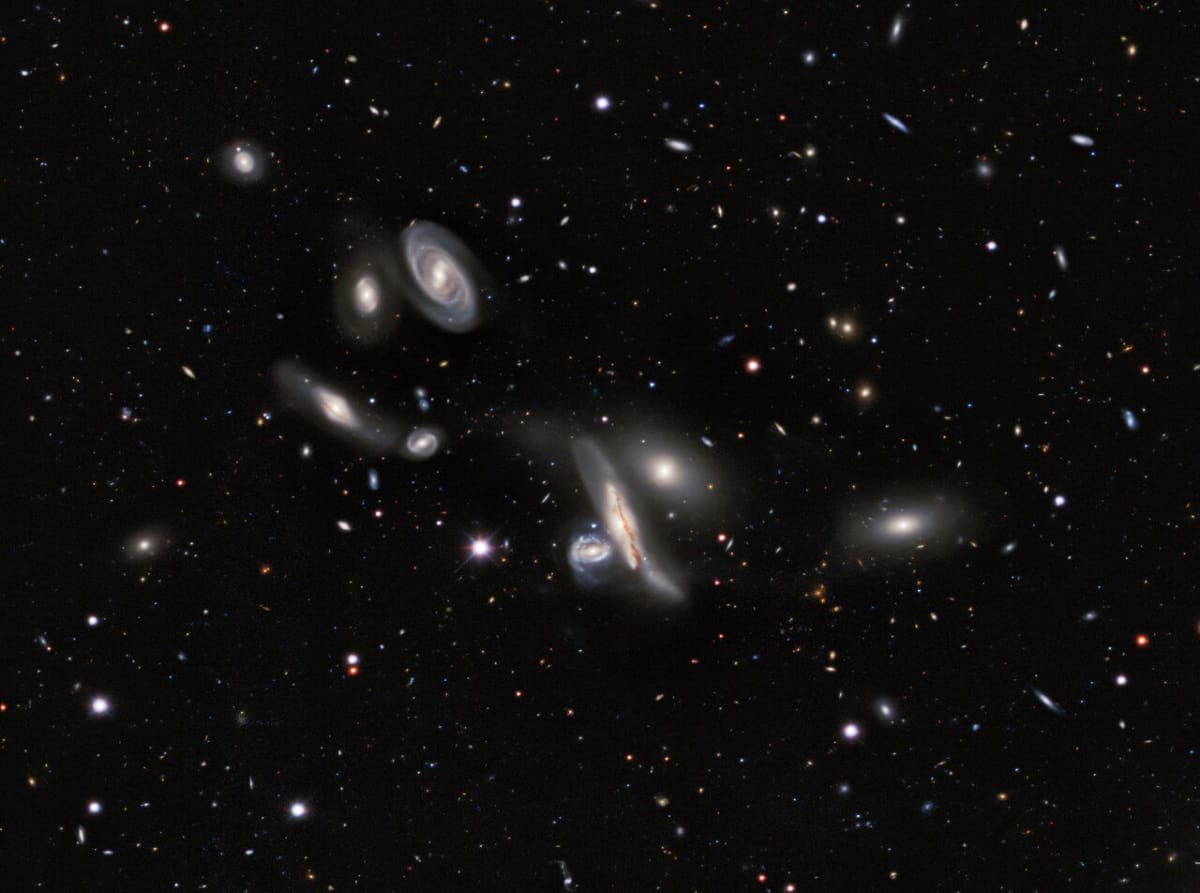
The map contains 5.6 trillion pixels capturing roughly 4 billion celestial objects. That includes distant galaxies, mysterious black holes, asteroids, and stars scattered across 75 percent of the entire sky.
More than 160 scientists worked on the project using the Dark Energy Spectroscopic Instrument, or DESI. The telescope sits high in Arizona's Sonoran Desert, using 5,000 mechanical eyes to peer deep into space.
"The skies belong to everyone, and this survey gives everyone the chance to marvel at their wonders," said Arjun Day, co-director of the Legacy Surveys and an astronomer with the National Science Foundation.
The project actually builds on 13 years of earlier groundwork. Scientists aimed the telescope above and below our own Milky Way galaxy to avoid the dust and stars that would block their view of deeper space.
The Ripple Effect
This cosmic treasure trove is already transforming astronomy research worldwide. Scientists have published over 1,800 research papers using the data, and astronomers now routinely start their work by pulling up the Legacy Imaging Viewer to see what they're studying.
The map is helping solve one of science's greatest mysteries: dark energy. This invisible force is pushing our universe to expand faster and faster, but scientists barely understand it.
Data from the first three years suggests dark energy might be weakening over time rather than staying constant. That finding could reshape our understanding of how the universe works.
The full analysis of all five years of data will arrive in 2027. NASA's newly launched Nancy Grace Roman Space Telescope will also use DESI's observations as a reference point for future discoveries.
Researchers plan to use artificial intelligence to analyze the massive amounts of data even faster. With petabytes of information collected, scientists believe countless discoveries still hide within the map, waiting to be found.
Anyone can start exploring the universe today through the free online Legacy Imaging Viewer, turning cosmic wonder from an exclusive scientific pursuit into something we can all share.
More Images



Based on reporting by Wired
This story was written by BrightWire based on verified news reports.
Spread the positivity!
Share this good news with someone who needs it