NASA Telescopes Find 27 Tiny Ice Worlds Beyond Neptune
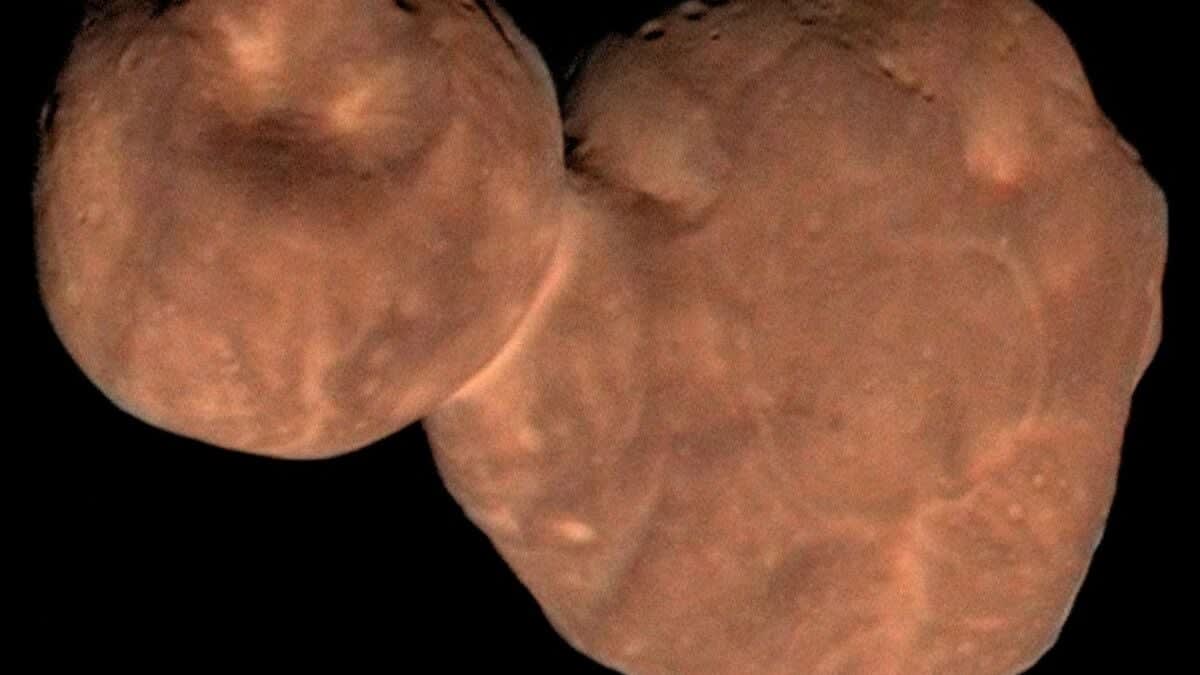
NASA's most powerful telescopes just discovered 27 tiny ice worlds at the edge of our solar system, offering a glimpse into how planets first formed billions of years ago. These pristine building blocks have preserved their original state since the dawn of our cosmic neighborhood.
Scientists just spotted 27 ancient ice worlds hiding in the far reaches of our solar system, and they're revealing secrets about how planets are born.
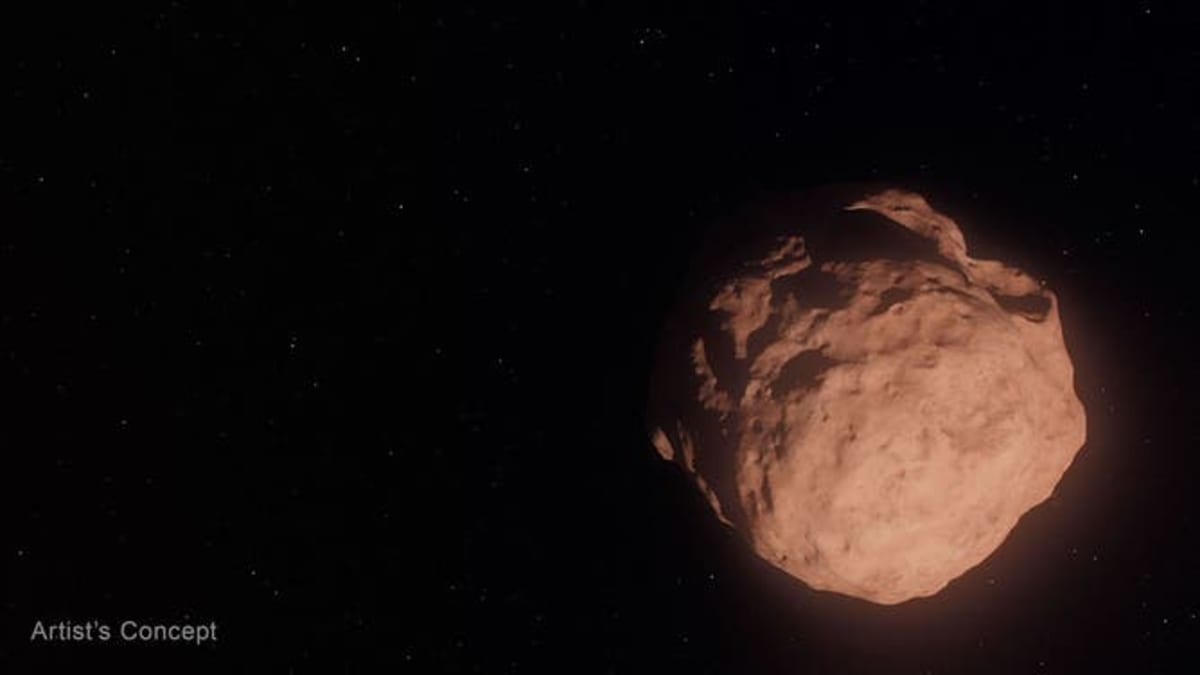
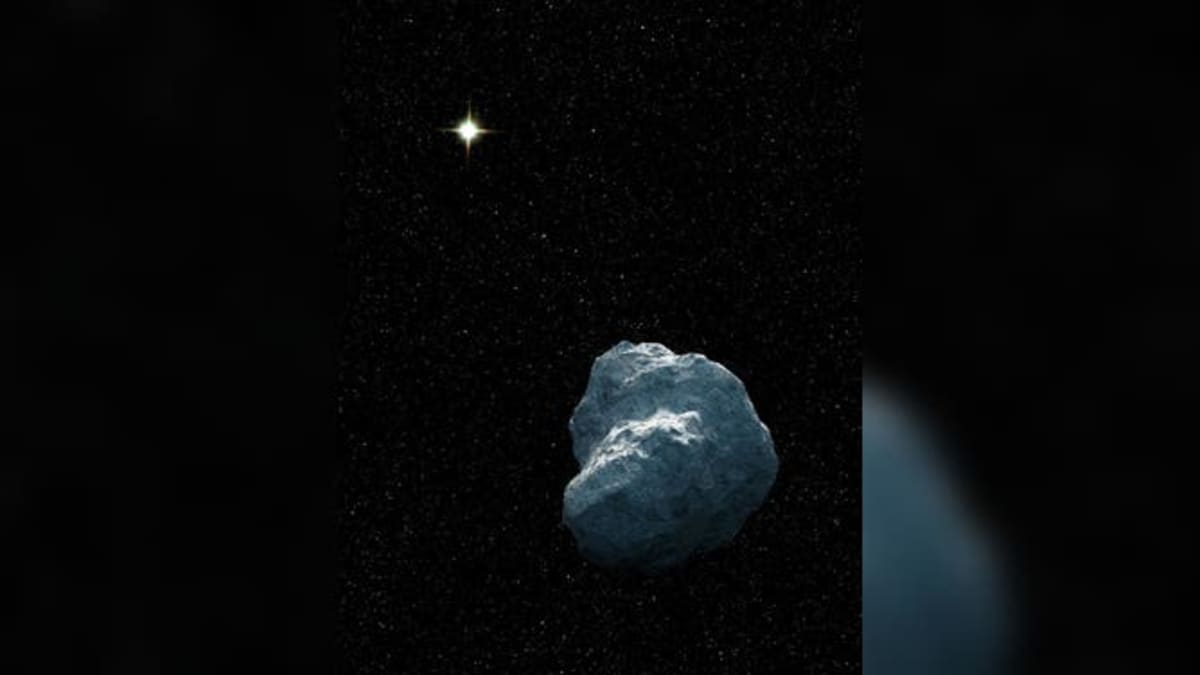
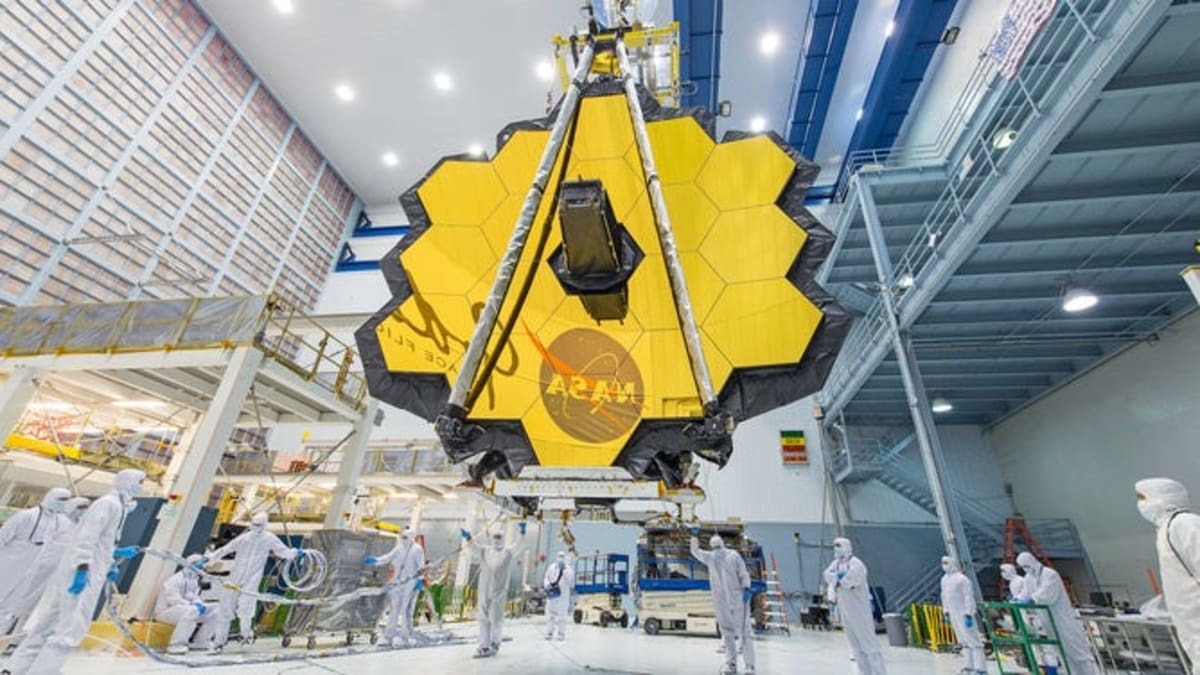
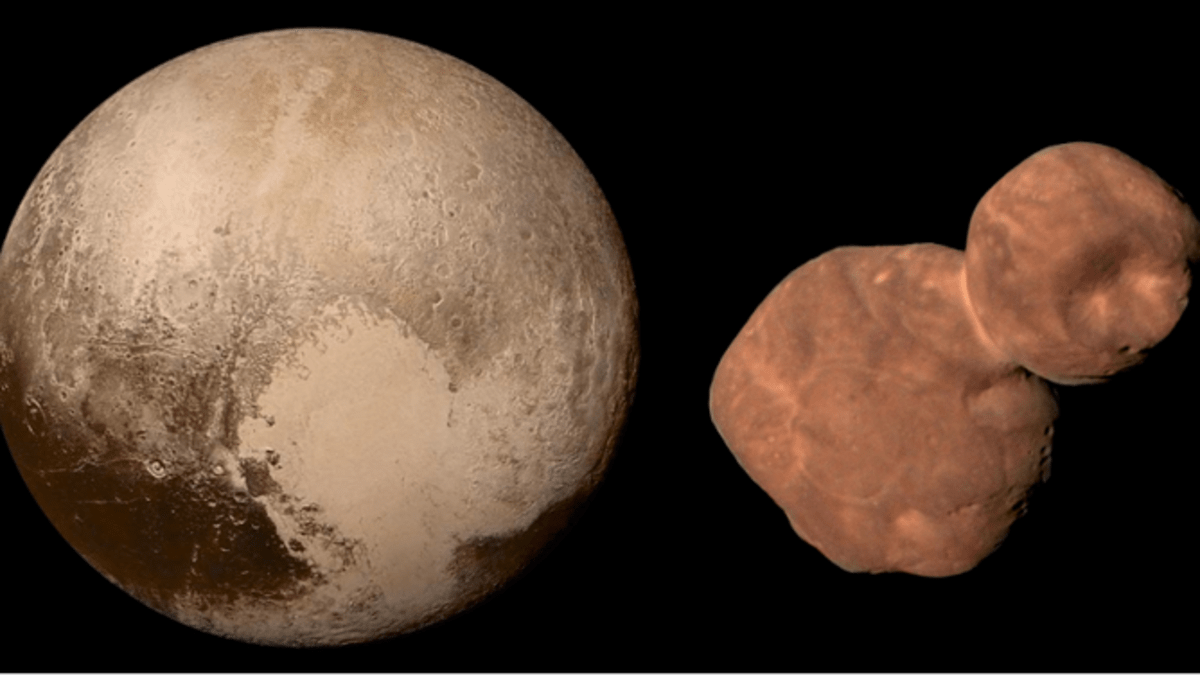
For the first time, NASA teamed up its two most powerful space telescopes to peer deep beyond Neptune's orbit. Working together, the James Webb and Hubble Space Telescopes discovered Trans-Neptunian Objects, tiny icy bodies so faint they're 100 million times dimmer than anything we can see with our naked eyes.
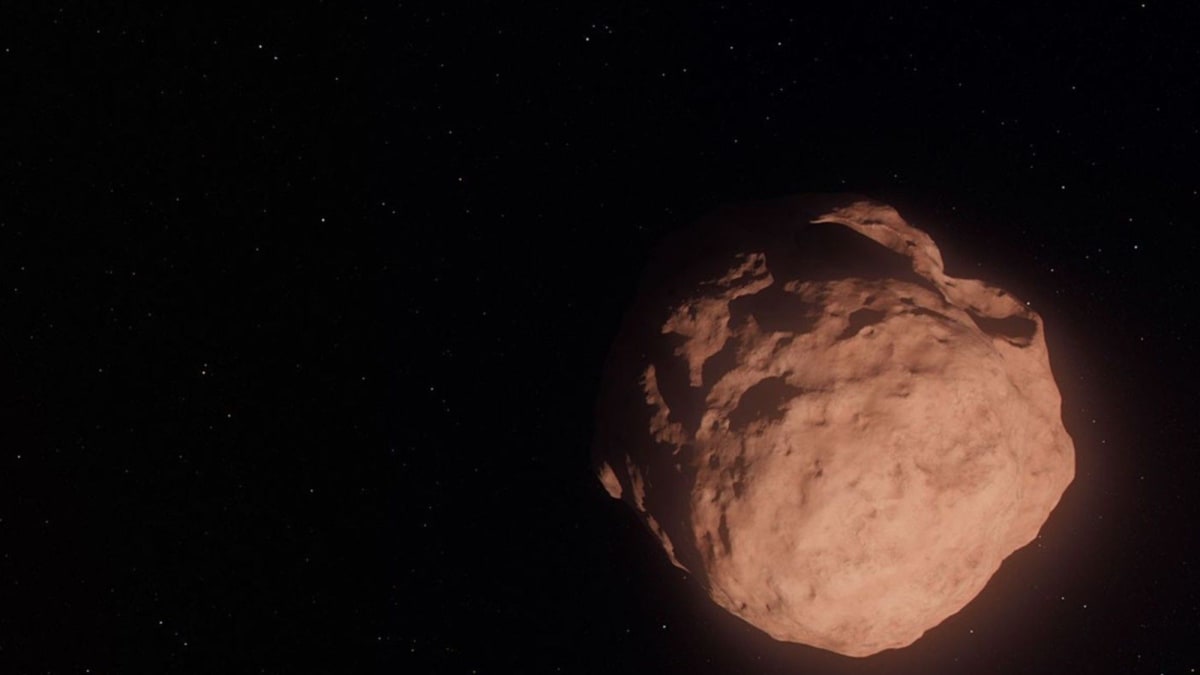
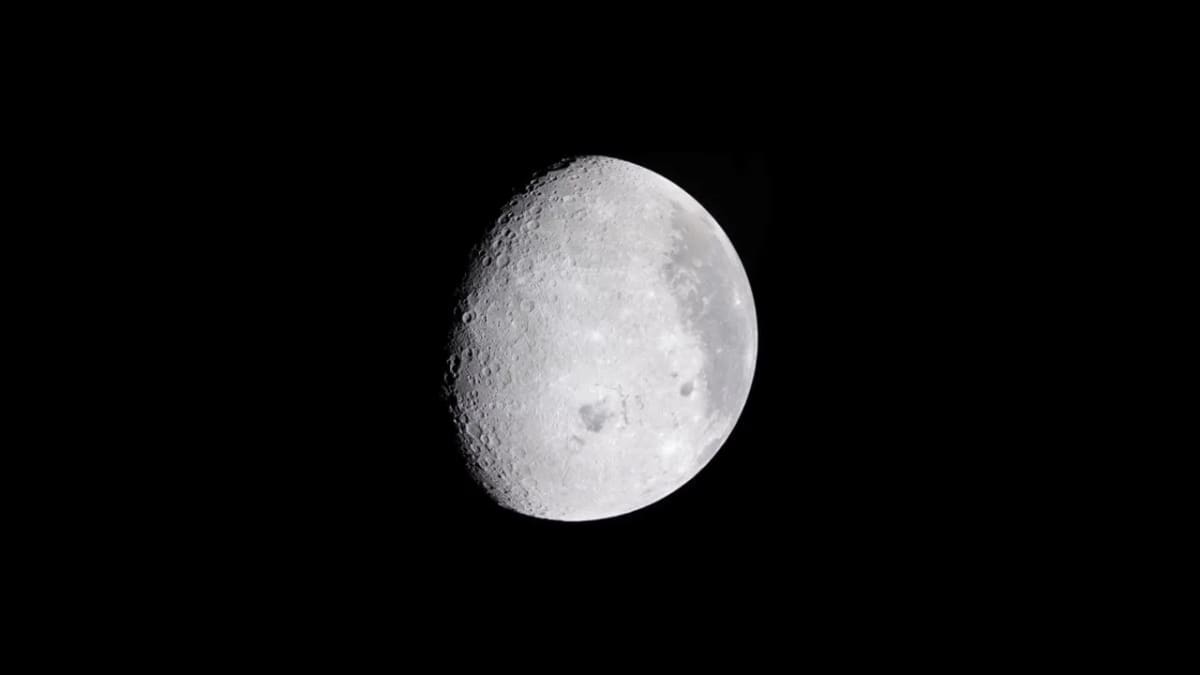
These small worlds range from chunks of space debris to minor planets, all orbiting in the cold darkness beyond Neptune. One newly discovered object is so dim that spotting it from Earth would be like seeing a small swarm of fireflies on the moon.
The discovery gives us a window into planet building at its earliest stages. These TNOs are like cosmic time capsules, preserving evidence from when our solar system was just a disk of dust and pebbles starting to clump together into bigger pieces.
Hubble observed the objects in visible light while Webb used infrared, allowing scientists to measure their colors, sizes and paths through space. The colors act like fingerprints, revealing what each object is made of.
Researchers identified two types of these ice worlds. The first group travels in circular orbits around the sun, staying in the plane of our solar system. The second type formed closer to Uranus and Neptune but got pushed outward when the gas giants migrated early in solar system history, leaving them in tilted, elliptical orbits.
Why This Inspires
Before this discovery, scientists thought these small bodies would have been battered by countless collisions over billions of years, changing their surfaces beyond recognition. Instead, these tiny worlds have somehow held onto their original, pristine state.
"So it's really fascinating to see that the smallest objects are somehow 'remembering' and preserving the history of how they were made," said Anastasia Morgan, who led the study at Northern Arizona University.
The findings also match planet formation models, confirming theories about how worlds like Earth came together. These frozen building blocks are telling us the story of our own planetary birth.
As both telescopes continue observing, we'll discover more of these ancient messengers and better understand the cosmic construction process that eventually led to our home planet.
More Images
Based on reporting by Google: NASA discovery
This story was written by BrightWire based on verified news reports.
Spread the positivity!
Share this good news with someone who needs it