Webb and Hubble Find 27 Mystery Objects Beyond Neptune
Two powerful space telescopes just discovered 27 tiny, icy worlds orbiting in the outer reaches of our solar system, and they're rewriting what scientists thought they knew about how planets form. These cosmic time capsules have somehow stayed pristine for billions of years, defying all predictions.
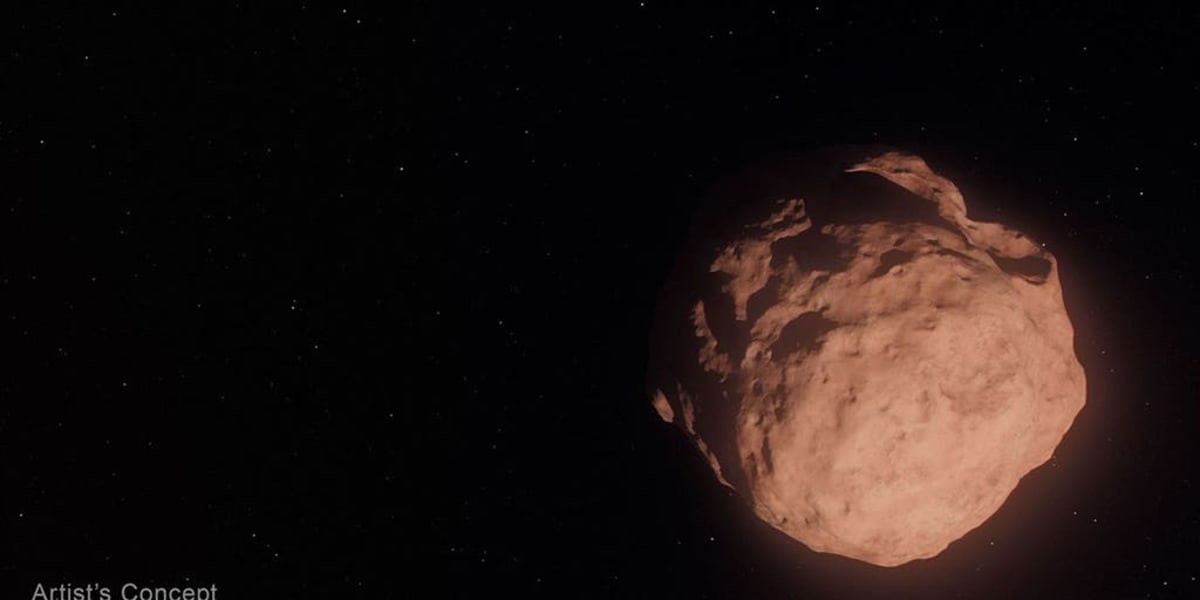
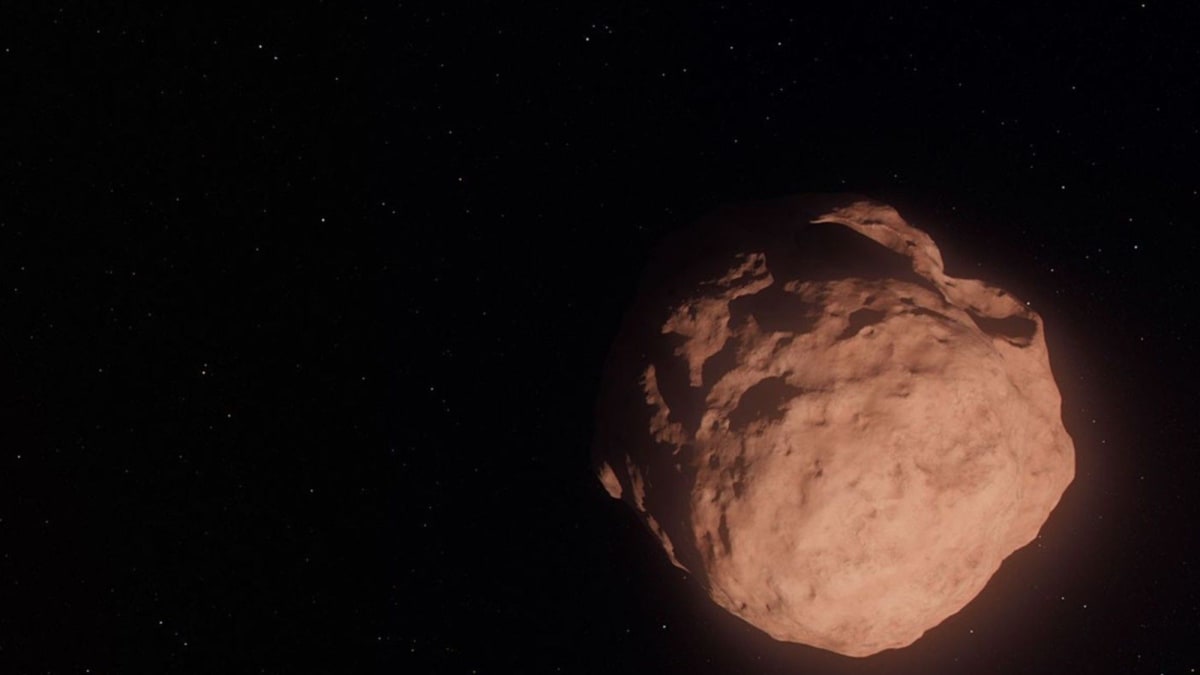
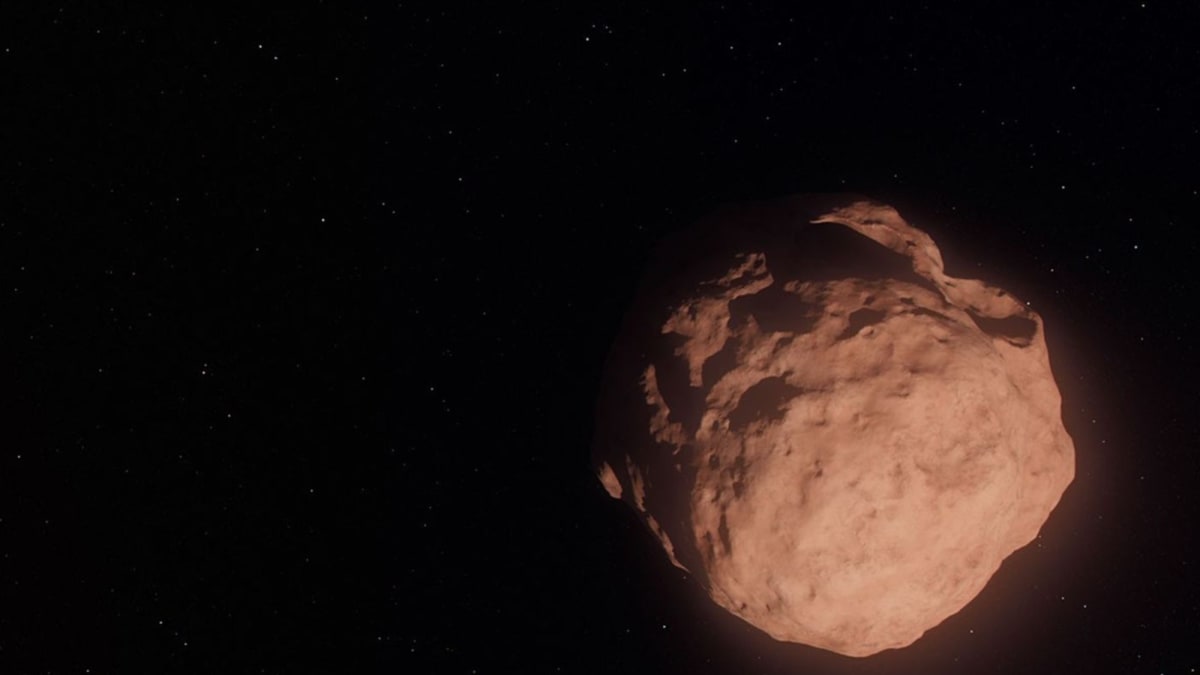
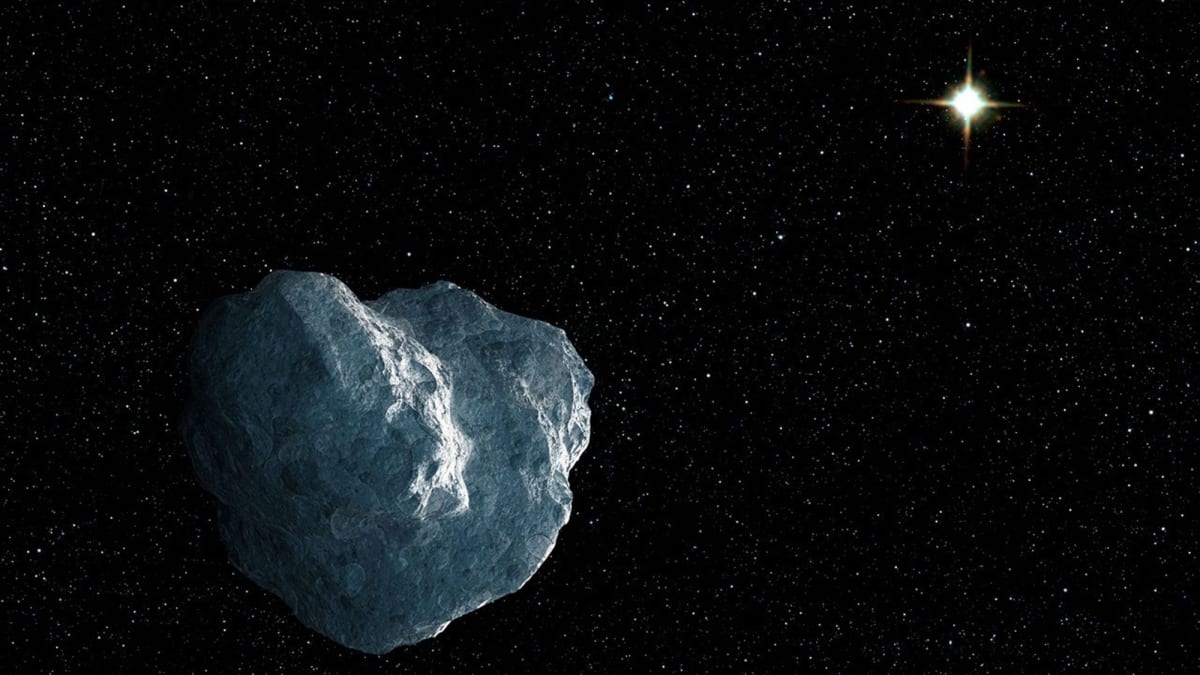
The James Webb and Hubble space telescopes teamed up to spot something extraordinary: 27 brand new objects orbiting the sun far beyond Neptune, each smaller than your hometown. The smallest stretches just 6 miles across, yet these tiny ice worlds are solving mysteries about the birth of our solar system.
Scientists call them Trans-Neptunian Objects, or TNOs, and they've been hanging out in deep space since the solar system formed over 4 billion years ago. Some never grew big enough to become planets, while others got kicked out to the cosmic suburbs by the gravitational pull of Neptune and Uranus as those giant planets grew.
Here's what has astronomers scratching their heads: these tiny objects should look beat up and scarred after billions of years of cosmic collisions. Instead, they're remarkably pristine, still showing the same colors and compositions from the day they formed.
"It's really fascinating to see that the smallest objects are somehow 'remembering' and preserving the history of how they were made," said Anastasia Morgan, a PhD candidate at Northern Arizona University who led the discovery team. Scientists expected impacts would have mixed up their surfaces long ago, changing their appearance completely.
The finding suggests one of two surprising possibilities. Either far fewer collisions happen in the outer solar system than astronomers believed, or these impacts somehow don't damage the tiny TNOs as much as predicted.
Why This Inspires
This discovery shows how much we still have to learn about our own cosmic backyard. Webb's infrared vision let researchers accurately measure the size of these incredibly faint objects, shining with the brightness of fireflies viewed from the moon to Earth.
The two PhD students leading this research, Morgan and Marielle Eduardo from the University of Victoria, pushed both telescopes to their absolute limits to make these observations. Their work represents the deepest survey yet into the mysterious realm beyond Neptune, revealing that the universe still holds plenty of surprises waiting to be discovered.
These ancient ice worlds are teaching us that the process of planet formation might work the same way everywhere, whether conditions are hot or cold, dense or fluffy. It's a reminder that even the smallest objects in space can hold billion-year-old secrets about where we all came from.
More Images

Based on reporting by Google: James Webb telescope
This story was written by BrightWire based on verified news reports.
Spread the positivity!
Share this good news with someone who needs it