Neptune's Moon Nereid May Be 4.5 Billion Years Old
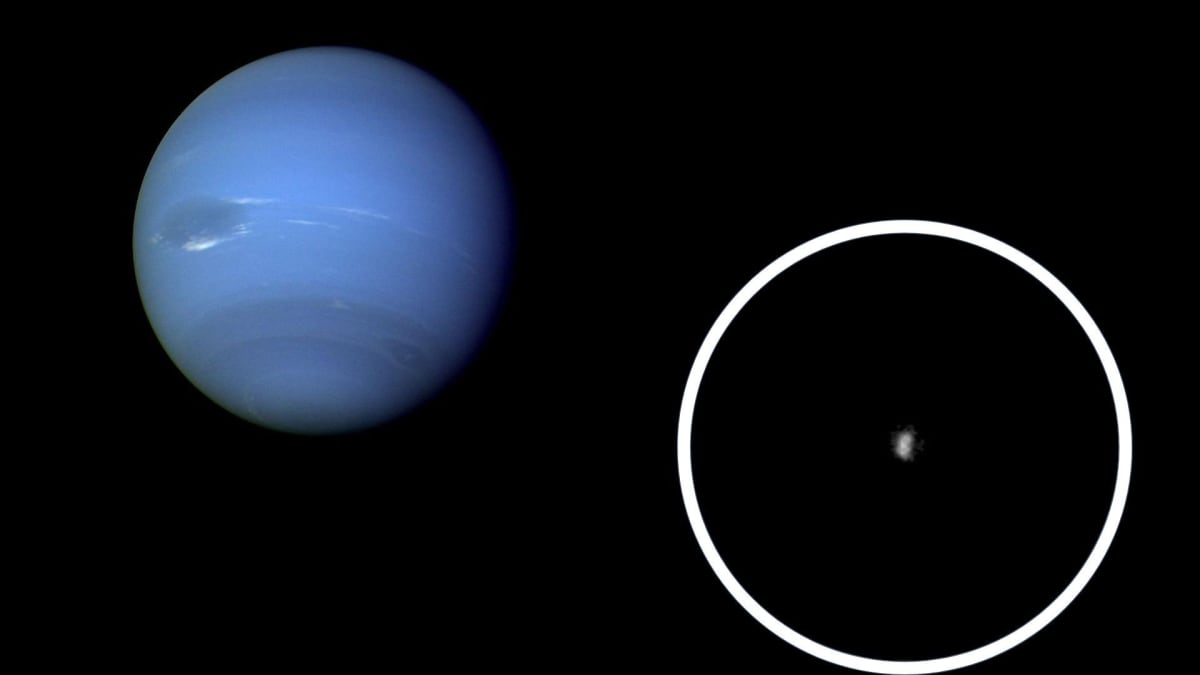
Scientists using the James Webb Space Telescope discovered that Nereid, Neptune's third-largest moon, might be the only survivor from when the planet first formed billions of years ago. This finding could unlock mysteries about how planets across the universe develop their moons.
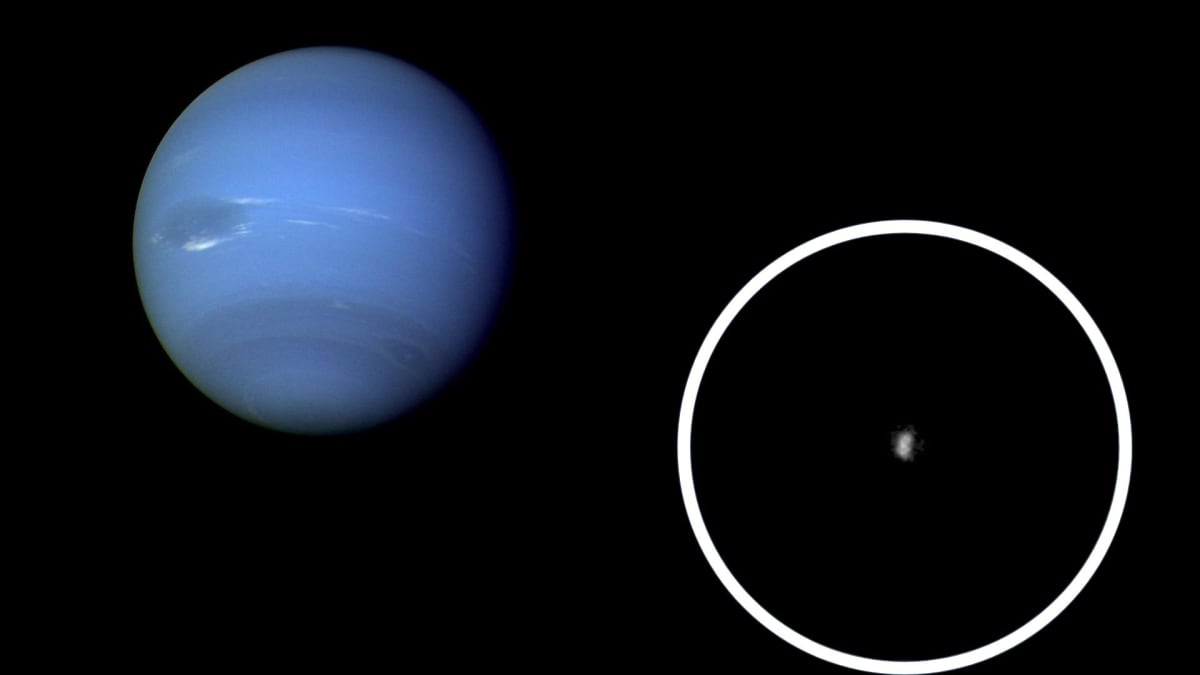
A 220-mile-wide moon orbiting Neptune just revealed a secret it's been keeping for 4.5 billion years.
Nereid, Neptune's third-largest moon, appears to be the sole survivor from the ice giant's earliest days, according to new James Webb Space Telescope observations published in Science Advances. Since its discovery in 1949, scientists assumed Neptune captured Nereid from a distant region of icy bodies called the Kuiper Belt.
The game changer? JWST detected water ice on Nereid's surface with a chemical signature completely different from Kuiper Belt objects.
"What JWST did for Nereid is it confirmed that it had a lot of water ice, and gave us the overall shape of the spectrum of light," said first study author Matthew Belyakov, a graduate student at Caltech. For the first time, scientists could compare apples to apples since JWST has now directly observed both Nereid and Kuiper Belt worlds.
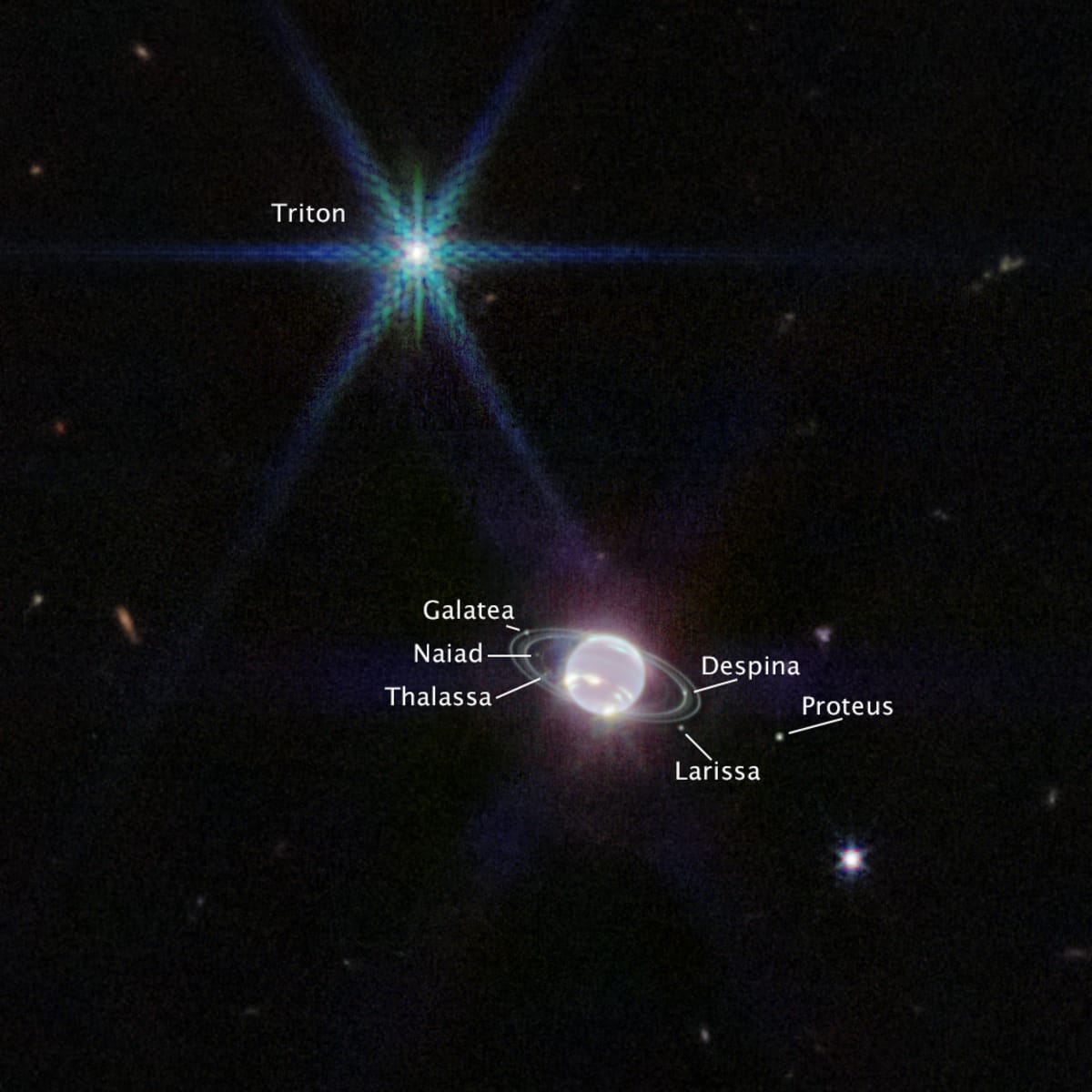
Neptune's 16 moons have always puzzled astronomers. Most orbit irregularly, suggesting they were captured by the planet's gravity rather than forming alongside it.
Triton, Neptune's largest moon, makes up 99% of the moon system's mass and orbits backward. Its composition matches Pluto more than Neptune, confirming it was definitely captured from elsewhere.
But Nereid stood out. The research team ran computer simulations showing that when Triton arrived, it kicked the original Neptune moons like cosmic billiard balls, either destroying them or flinging them into strange orbits like Nereid's current elliptical path.
Why This Inspires
This discovery matters far beyond one distant moon. Planets the size of Neptune and Uranus are actually the most common type in our galaxy, based on exoplanet research.
"If we don't understand how moons around these objects form, that's a really big problem," Belyakov explained. Both Neptune and Uranus lost their original moon generations to cosmic catastrophes, with Neptune's innermost moons reforged from the debris of broken worlds.
Nereid might be our only intact window into understanding how these common planetary systems develop. It's like finding the sole surviving photograph from a moment everyone thought was lost to history.
The team plans to request higher-resolution telescope time to study Nereid in greater detail. Their initial observations used JWST's lowest-resolution mode for just a few minutes, given the telescope's high demand among astronomers worldwide.
Every new piece of the puzzle helps scientists understand not just our solar system, but the thousands of Neptune-like worlds orbiting distant stars.
More Images

Based on reporting by Google News - Science
This story was written by BrightWire based on verified news reports.
Spread the positivity!
Share this good news with someone who needs it