NASA Completes New Space Telescope for September Launch
NASA has finished building its next major space observatory, the Nancy Grace Roman Space Telescope, and it's on track to launch this fall. The powerful new telescope will help scientists understand how galaxies, stars, and distant planets form and evolve.
NASA just completed assembly of a telescope that will transform how we explore the universe, and it could launch as soon as September.
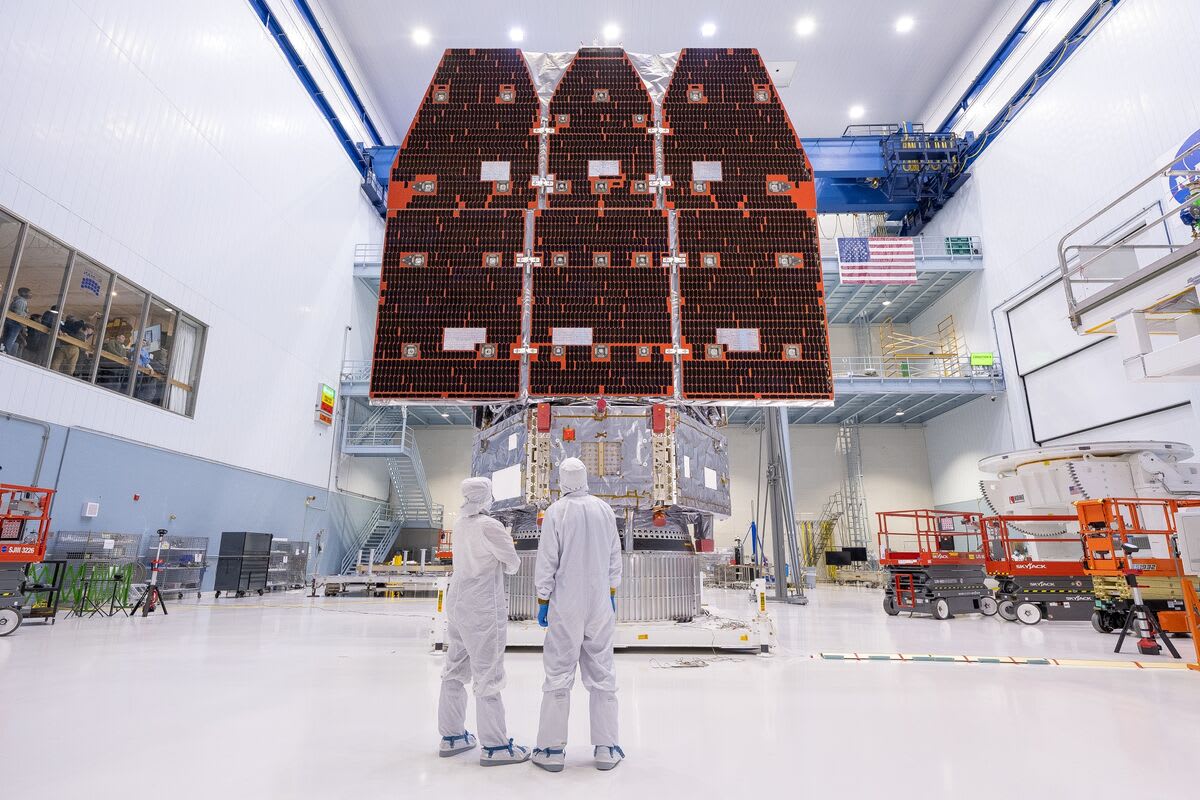
The Nancy Grace Roman Space Telescope was unveiled Tuesday at NASA's Goddard Spaceflight Center in Maryland, where engineers have spent years putting together this next-generation observatory. Technicians recently connected the inner and outer segments, marking a major milestone in the project.
The telescope is designed to tackle some of astronomy's biggest questions. It will study how galaxies developed over billions of years, how stars are born and die, and what distant planets beyond our solar system look like.
Named after NASA's first chief of astronomy who fought for women in science, the Roman Telescope represents a significant leap in space observation technology. It's currently undergoing final tests to ensure everything works perfectly before its journey to space.
The Ripple Effect
This telescope's impact will reach far beyond the astronomy community. The technology developed for the Roman Telescope has already led to advances in camera sensors and imaging systems that benefit medical diagnostics and smartphone photography.
Students and amateur astronomers will gain access to the telescope's data once it starts operating. NASA plans to make the observations publicly available, meaning anyone with internet access can explore the same cosmic discoveries as professional scientists.
The mission will also inspire the next generation of engineers and scientists. Hundreds of students have already participated in building components and analyzing test data, gaining real-world experience in cutting-edge space technology.
September's launch window represents years of dedication from thousands of scientists, engineers, and technicians across the country. Their work will help answer fundamental questions about our place in the cosmos.
The universe is about to come into sharper focus than ever before.
More Images
Based on reporting by Google News - Science
This story was written by BrightWire based on verified news reports.
Spread the positivity!
Share this good news with someone who needs it