NASA Discovers Largest New Moon Crater in History
A NASA scientist stumbled upon the biggest newly formed crater ever found in the solar system while reviewing routine lunar images. The 728-foot-wide impact crater formed in spring 2024 from a once-in-a-century collision.
A routine data check turned into the discovery of a lifetime when NASA scientist Robert Wagner spotted an unusual bright spot on the Moon's surface.
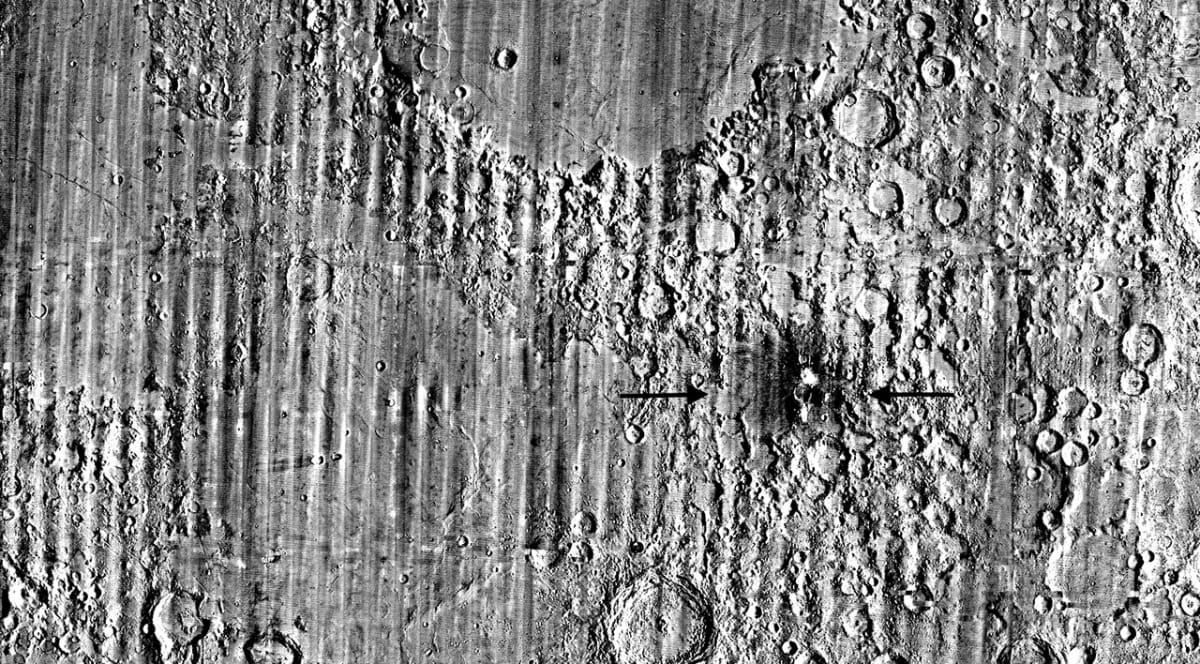
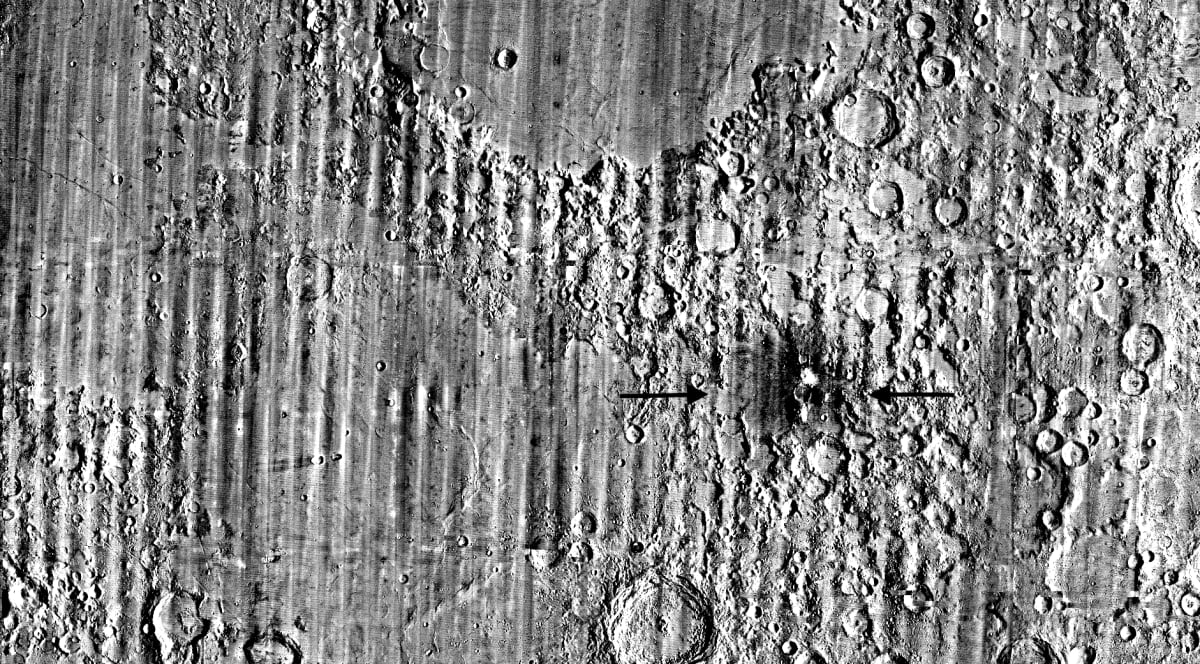
Wagner, who works with NASA's Lunar Reconnaissance Orbiter, was scanning lunar images when the large bright spot surrounded by a dark halo made him stop immediately. "I just stopped, dropped everything, and started looking into what that spot was," he said.
By comparing before and after photos, Wagner realized he had found the largest newly formed crater ever discovered in the solar system. Scientists announced the finding Wednesday in Science Advances.
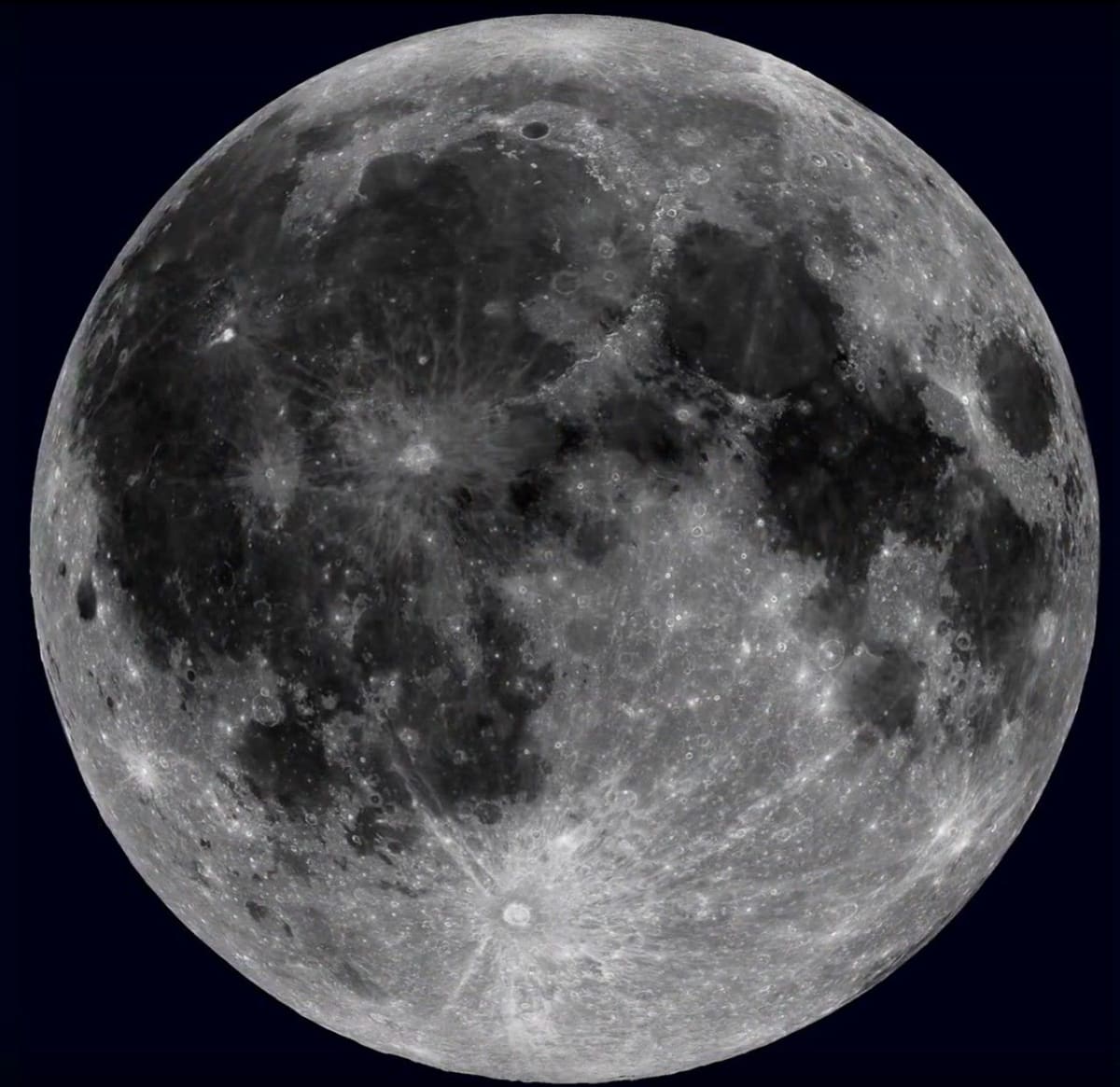
The crater, officially named McGetchin after pioneering lunar scientist Tom McGetchin, formed between April 11 and May 22, 2024. A comet or asteroid roughly the size of a three to six-story building slammed into the Moon's eastern edge at incredible speed.
The impact left a massive scar. The crater spans 728 feet wide, about the length of two football fields placed end to end. At 141 feet deep, it could fit three school buses stacked vertically inside.
Scientists estimate this kind of impact happens on the Moon only once per century or even less frequently. Without an atmosphere to protect it, the Moon gets bombarded constantly by space rocks, but most are far smaller.
For over 17 years, the Lunar Reconnaissance Orbiter has been mapping the Moon's surface from above. The spacecraft has spotted at least 1,000 new impact craters during its mission and tracked 100,000 more surface changes.
Why This Inspires
This discovery shows what happens when someone stays curious during routine work. Wagner could have simply logged the anomaly and moved on, but his instinct to investigate led to a historic find.
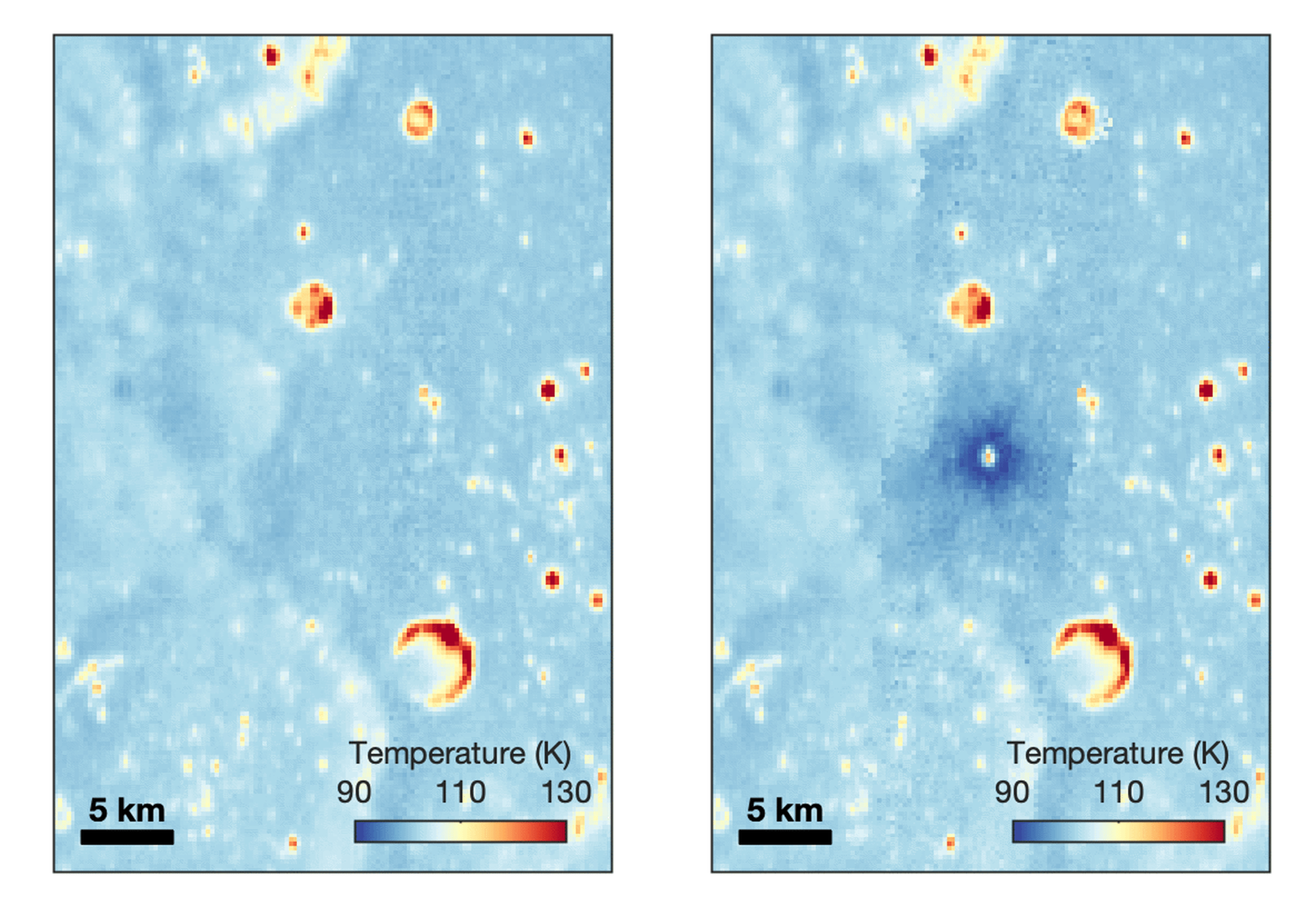
The orbiter's thermal instruments revealed something equally fascinating. A four-mile-wide area around the crater runs about 16 degrees Fahrenheit cooler at night than surrounding areas. The impact fluffed up the lunar soil, making it less dense and unable to hold heat as well.
Understanding these changes matters for future Moon missions. As NASA works toward establishing a sustained human presence on the lunar surface, knowing how impacts reshape the terrain helps scientists and engineers plan safer landing sites and rover routes.
The discovery proves that even after nearly two decades of continuous observation, the Moon still holds surprises. Every routine scan could reveal something extraordinary.
More Images

Based on reporting by Google: NASA discovery
This story was written by BrightWire based on verified news reports.
Spread the positivity!
Share this good news with someone who needs it