NASA Discovers Tough Fungi That Survive Mars Conditions
Scientists found nearly indestructible fungi in NASA's spacecraft clean rooms that can survive conditions mimicking Mars. The discovery is pushing space agencies to upgrade their planetary protection protocols.
Scientists have discovered a superhero of the fungal world, and it might make our search for life on Mars more complicated in the best possible way.
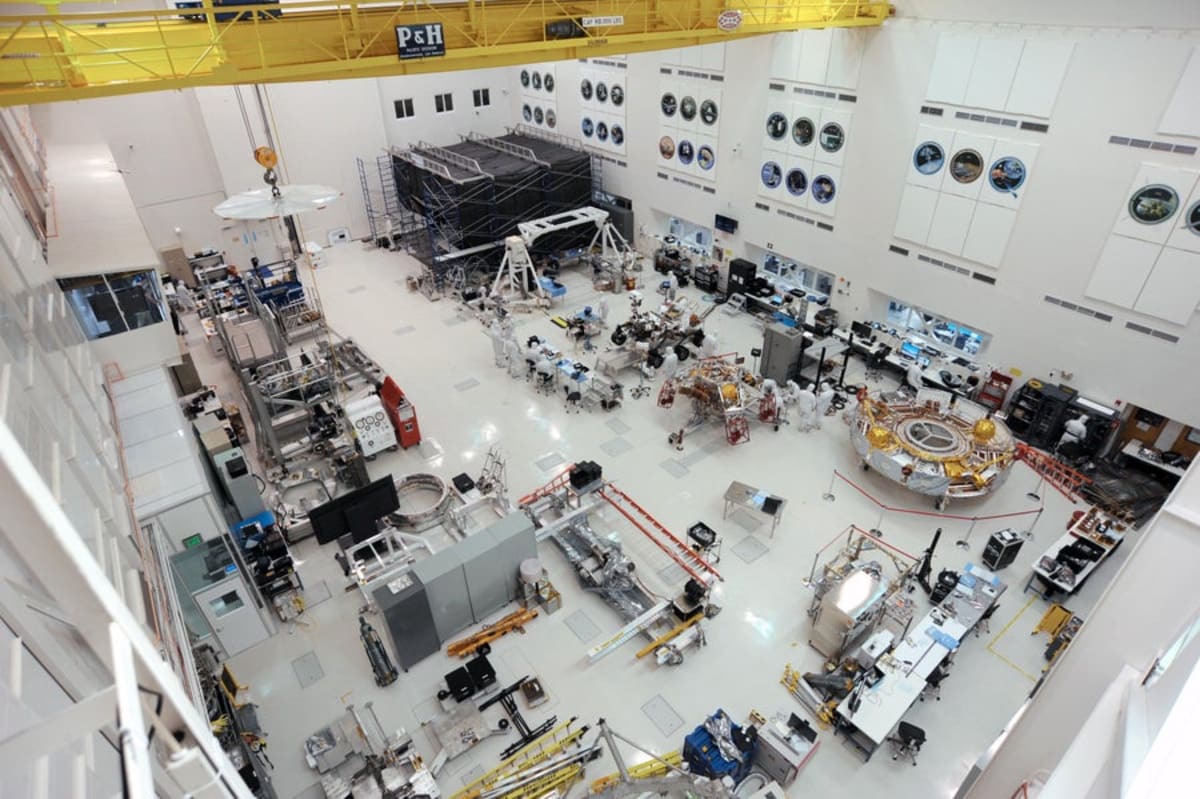
Researchers found about two dozen fungal strains living in NASA's supposedly sterile spacecraft assembly rooms. These tough microbes can survive the intense cleaning processes designed to keep Mars missions contamination-free.
One fungus called Aspergillus calidoustus stood out as exceptionally resilient. It survived extended exposure to ultraviolet radiation, conditions mimicking the vacuum of space, and even the Martian surface environment. The fungus even withstood baking at 125 degrees Celsius, the temperature NASA uses to sterilize spacecraft headed to Mars.
The findings, published in Applied and Environmental Microbiology, represent what lead researcher Atul Chander calls a "critical gap" in planetary protection strategies. For decades, NASA and other space agencies focused their sterilization efforts mainly on bacteria, not realizing fungi could be equally stubborn hitchhikers.
This matters because we want to know if life exists elsewhere in our solar system. Imagine spending billions on a Mars mission that finds microbes, only to discover they're actually stowaways from Earth. That would sabotage the entire search for authentic alien life.
The discovery comes at a crucial time. More nations and private companies than ever are planning missions to Mars and beyond. Some missions aim to bring samples back to Earth, making contamination prevention important in both directions.
Why This Inspires
NASA is already rising to meet this challenge. The space agency is developing new tools and protocols informed by metagenomics, which maps entire microbial communities in their environments. This approach goes beyond checking for individual bacteria to understanding whole ecosystems in clean rooms.
Moogega Cooper, a planetary protection engineer at NASA's Jet Propulsion Laboratory, says the agency is expanding its toolkit for both government missions and the growing commercial space sector. NASA's planetary protection officer Nick Benardini notes these advances will prove crucial for eventual human missions to Mars.
The research shows how science corrects itself and improves. What looked like an airtight sterilization process turned out to have gaps, and scientists caught it. Now they're fixing it before future missions launch.
This discovery transforms our understanding of what it takes to explore space responsibly, ensuring that when we finally find life on another world, we'll know it's genuinely alien.
More Images



Based on reporting by Scientific American
This story was written by BrightWire based on verified news reports.
Spread the positivity!
Share this good news with someone who needs it