NASA Electricians Power Rockets, Spacecraft, and Dreams
From launching rockets to testing Mars-bound hardware, electricians at NASA are proving that skilled trades lead to extraordinary careers. The space agency is showing young people how hands-on technical work can literally reach for the stars.
📺 Watch the full story above
Every rocket launch, satellite deployment, and Mars mission depends on something surprisingly down-to-earth: skilled electricians keeping the power flowing.
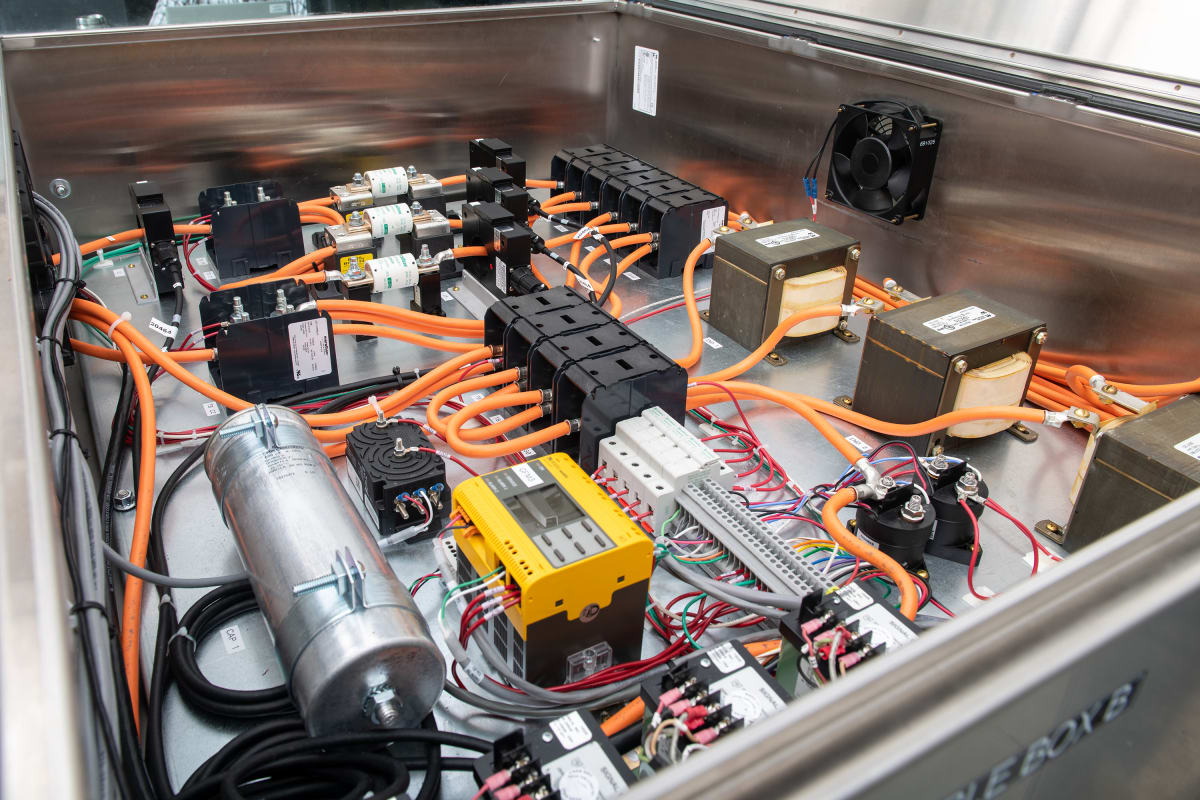
NASA is shining a spotlight on electricians and electrical technicians, revealing how these professionals do far more than wire buildings. At the space agency, they help build spacecraft, test instruments in extreme conditions, and ensure every mission-critical system works perfectly before hardware heads to orbit, the Moon, or Mars.
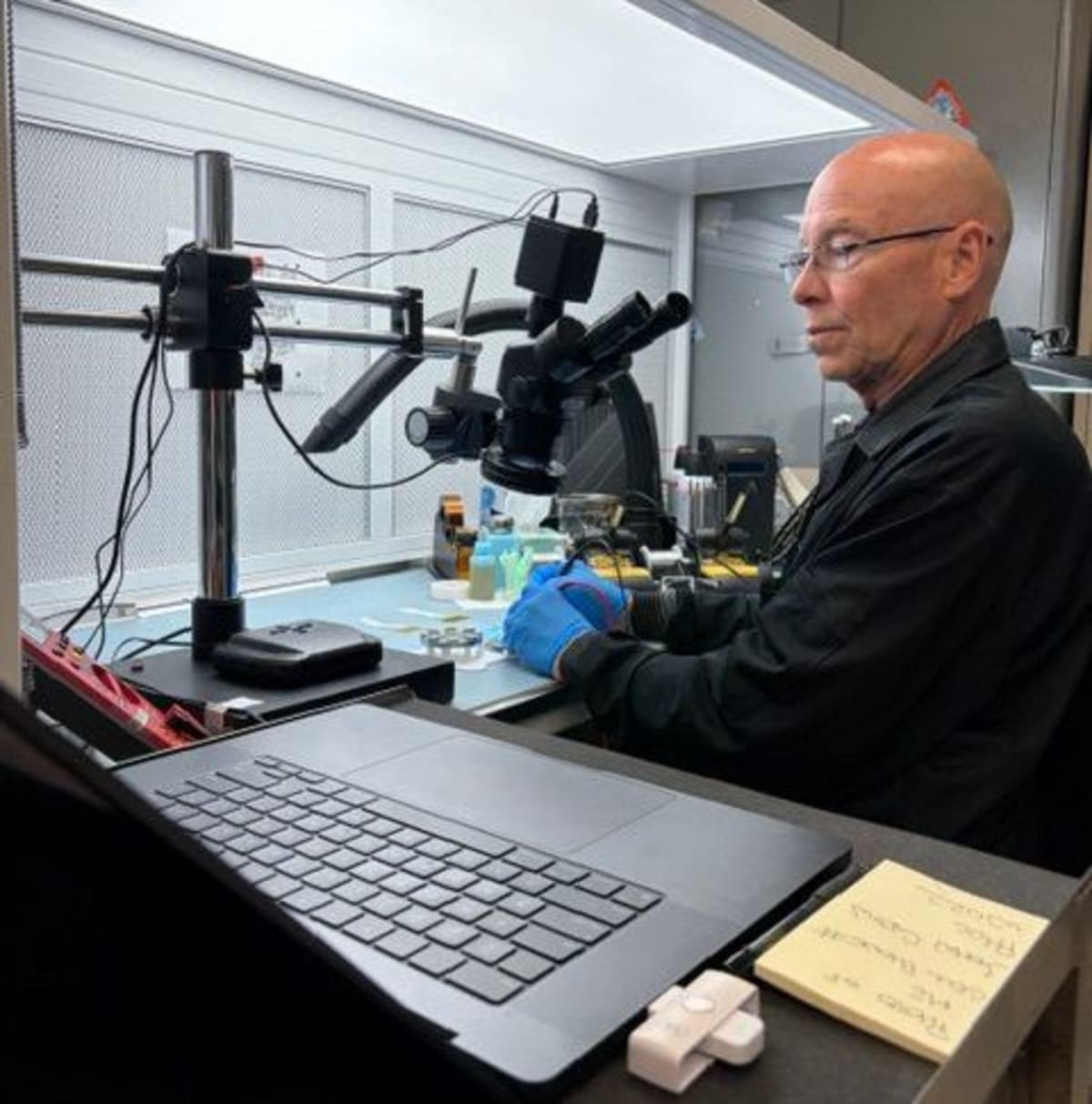
The work requires incredible precision. Electrical technicians at NASA wire control systems, connect sensors to circuit boards, and test equipment in conditions that mimic space itself—extreme temperatures, intense vibrations, and even vacuums. One wrong connection could doom a multimillion-dollar mission, so every detail must be flawless.
The career path is clear and accessible. Aspiring electricians can start with a four-year apprenticeship, working hands-on with experienced supervisors. After passing an exam, they become licensed journeyman electricians who work independently. Master electricians, the highest certification level, tackle the most complex projects and train the next generation.
Getting started doesn't require a traditional four-year college degree. Community colleges, trade schools, and technical institutes offer two-year associate degrees in electrical technology. Trade unions provide apprenticeship programs with real-world experience, and all military branches offer electronics training that transfers to civilian certifications.
High schoolers can prepare now by taking math, science, and technical education courses while researching programs that match their interests. Part-time work or job shadowing offers valuable early experience in the field.
Why This Inspires
Christopher Johnson, an aerospace electrical engineering technician at Kennedy Space Center, puts it simply: "You have the opportunity to make a big difference. You can make a really big impact."
Levi James, an electrician apprentice at Glenn Research Center, wishes he'd known sooner about the possibilities. "Everything needs electricity, and the sky's the limit on what you can do with it," he says. "NASA needs electricians for everything from their testing campaigns to keeping their facilities running."
David McClaeb, an electronic technician at Goddard Space Flight Center, describes the satisfaction of solving tough challenges. "It's so gratifying when somebody comes in and says, 'Hey, we want to build this, but it looks really difficult,' and we say, 'Yeah, it looks difficult, but we can do it.'"
The message is clear: skilled trades aren't just good careers—they're pathways to helping humanity explore the cosmos.
More Images


Based on reporting by NASA
This story was written by BrightWire based on verified news reports.
Spread the positivity!
Share this good news with someone who needs it