NASA Finds All RNA Building Blocks in Asteroid Sample
Scientists discovered ribose and glucose in pristine material from asteroid Bennu, completing the full set of chemical ingredients needed to build RNA. The finding shows life's raw materials existed in space before Earth even had life.
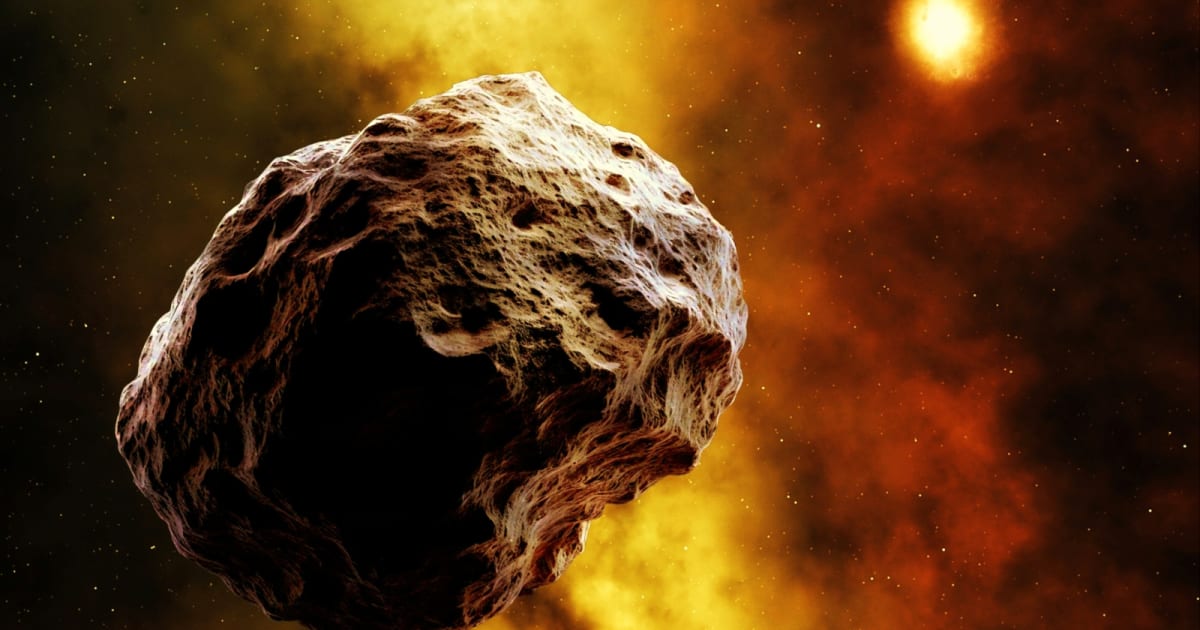
Scientists just confirmed that an ancient asteroid carried every chemical ingredient needed to make RNA, the molecule that may have sparked life on Earth.
Researchers analyzing material from asteroid Bennu found ribose and glucose preserved in samples returned by NASA's OSIRIS-REx spacecraft in September 2023. The discovery matters because ribose is the exact sugar that forms RNA's backbone.
The team, led by Yoshihiro Furukawa at Tohoku University, detected tiny but measurable amounts of six different sugars in the pristine asteroid material. They found ribose at levels that sound impossibly small but are significant for understanding how life's ingredients first appeared.
What makes this discovery special is that it completes a chemical inventory. Earlier studies of the same Bennu samples had already identified all five nucleobases found in RNA and DNA, plus phosphate. Now with ribose added to the list, every component needed to build RNA has been confirmed in a single asteroid.
This doesn't mean RNA actually formed on Bennu or that life existed there. Think of it like finding flour, water, and yeast in the same ancient pantry. The ingredients were present, but that doesn't prove someone baked bread.
The real significance is about timing and availability. Bennu's material dates back to the early solar system, before Earth had life. These findings show that life's building blocks could form and survive in space long before our planet was ready for biology.
Why does the source matter so much? Unlike meteorites that crash through our atmosphere and sit exposed on the ground, Bennu's samples were collected directly from the asteroid's surface and kept sealed. Scientists can confidently say these molecules are extraterrestrial, not contamination from Earth.
The team used advanced techniques to search for sugars in the samples and found glucose too. While we know glucose as cellular fuel, in an asteroid it's simply evidence that complex sugars could form in the early solar system's water-rich environments.
Interestingly, the researchers didn't detect deoxyribose, the sugar used in DNA. This absence might support the RNA world hypothesis, which proposes RNA came before DNA as life's first information-carrying molecule.
Why This Inspires
This discovery reminds us that the universe has been preparing for life far longer than we imagined. The same asteroid material that drifted through space billions of years ago contained the exact molecular recipes that eventually helped life emerge.
Scientists had previously found similar sugars in meteorites, but always with the nagging question of whether Earth's environment contaminated them. Bennu's pristine samples remove that doubt and open a cleaner window into our chemical origins.
The finding transforms Bennu from a single asteroid story into a time capsule showing what was chemically possible in the early solar system. It suggests that wherever water met carbon-rich materials in ancient space rocks, life's ingredients could take shape.
Every new analysis of the Bennu samples reveals more about the cosmic chemistry that set the stage for biology, connecting the dots between sterile space rocks and the living world we know today.
Based on reporting by Google News - Science
This story was written by BrightWire based on verified news reports.
Spread the positivity!
Share this good news with someone who needs it