NASA Finds Largest New Moon Crater in 100 Years
A giant crater discovered on the moon is giving scientists their first pristine look at a once-in-a-century impact event. NASA's spacecraft captured the rare phenomenon in real time, creating a natural laboratory for future lunar exploration.
Scientists just witnessed something that happens only once every hundred years on the moon, and the timing couldn't be more perfect.
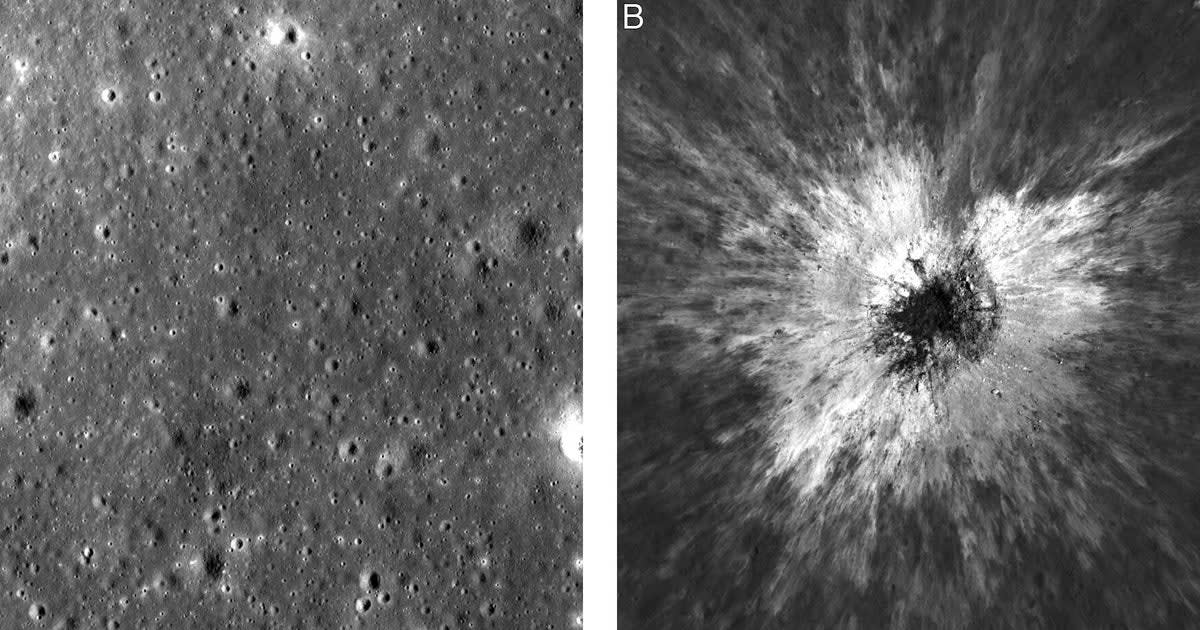
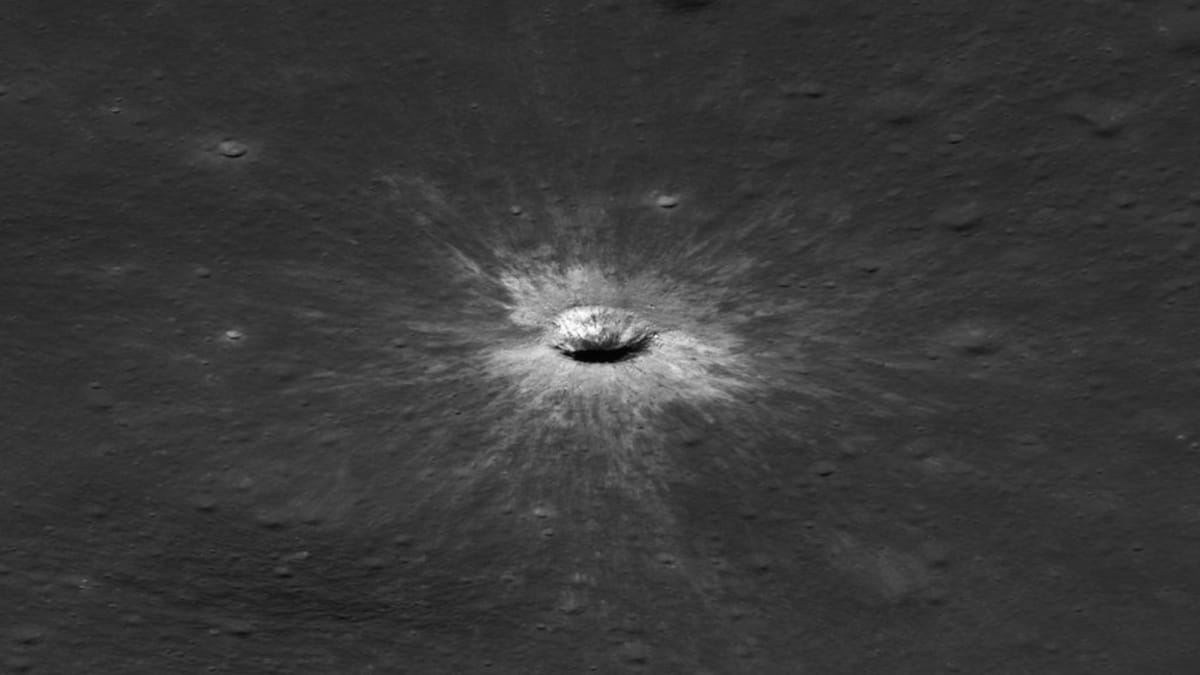
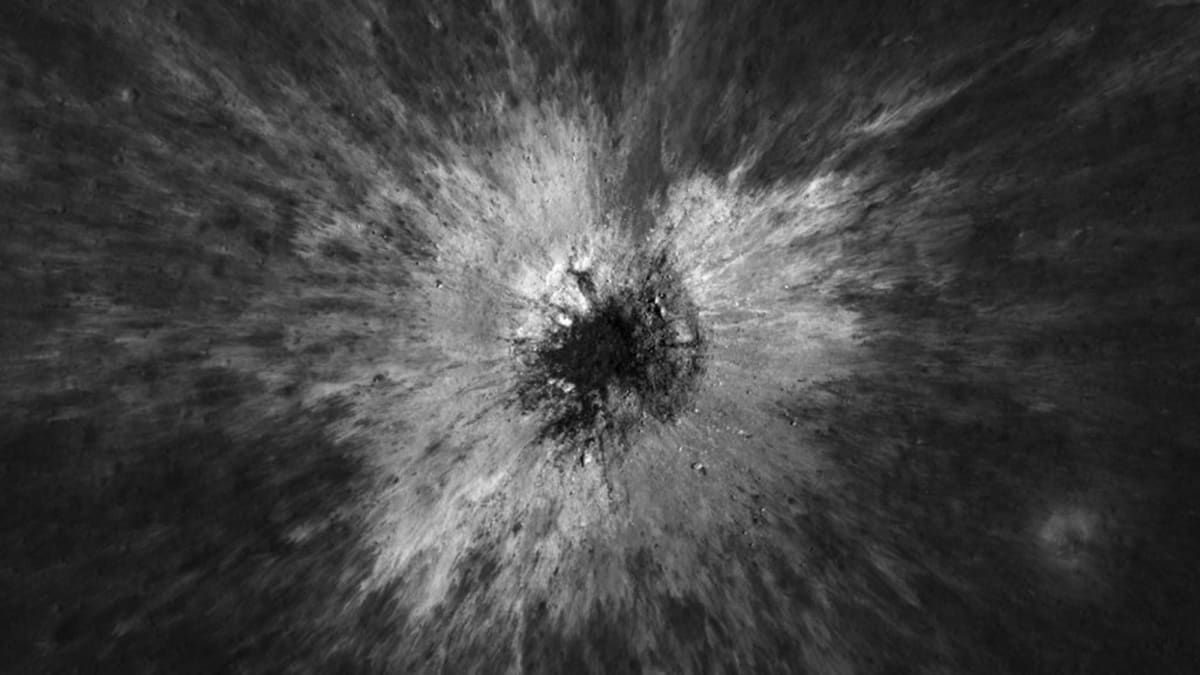
NASA's Lunar Reconnaissance Orbiter discovered a massive new crater on the moon named McGetchin, measuring 728 feet across and 141 feet deep. The impact occurred sometime between April and May 2024 when an asteroid or comet fragment the size of a three to six story building slammed into the lunar surface.
This discovery is breaking records. McGetchin is the largest newly formed impact crater ever identified in our entire solar system, according to NASA.
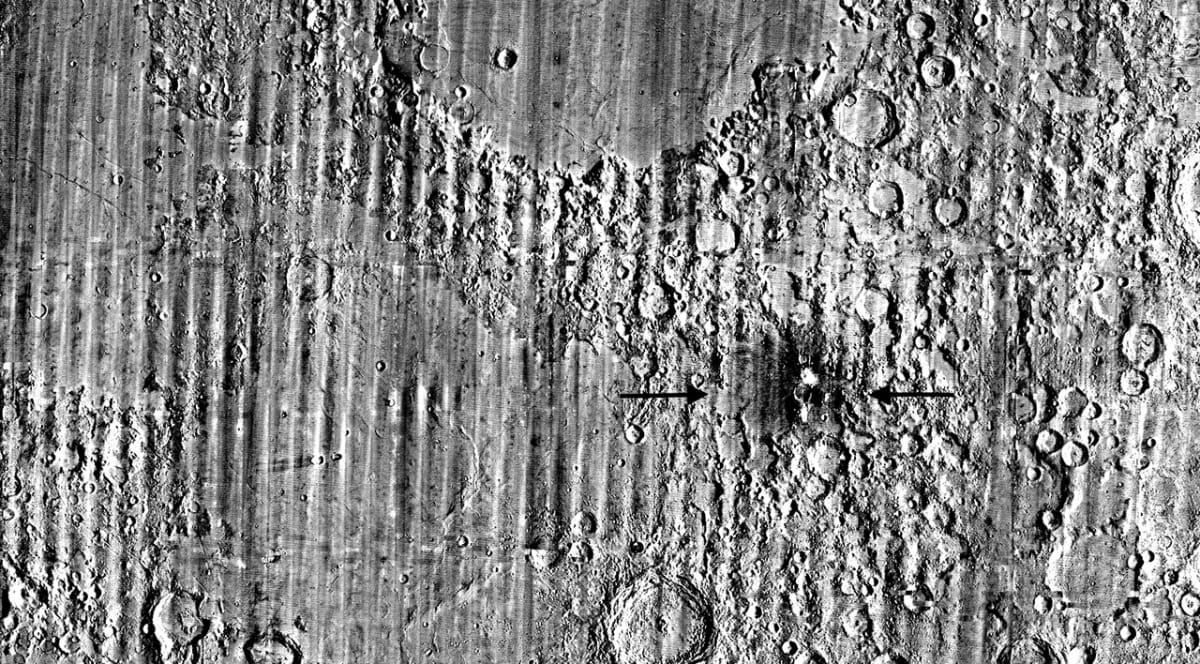
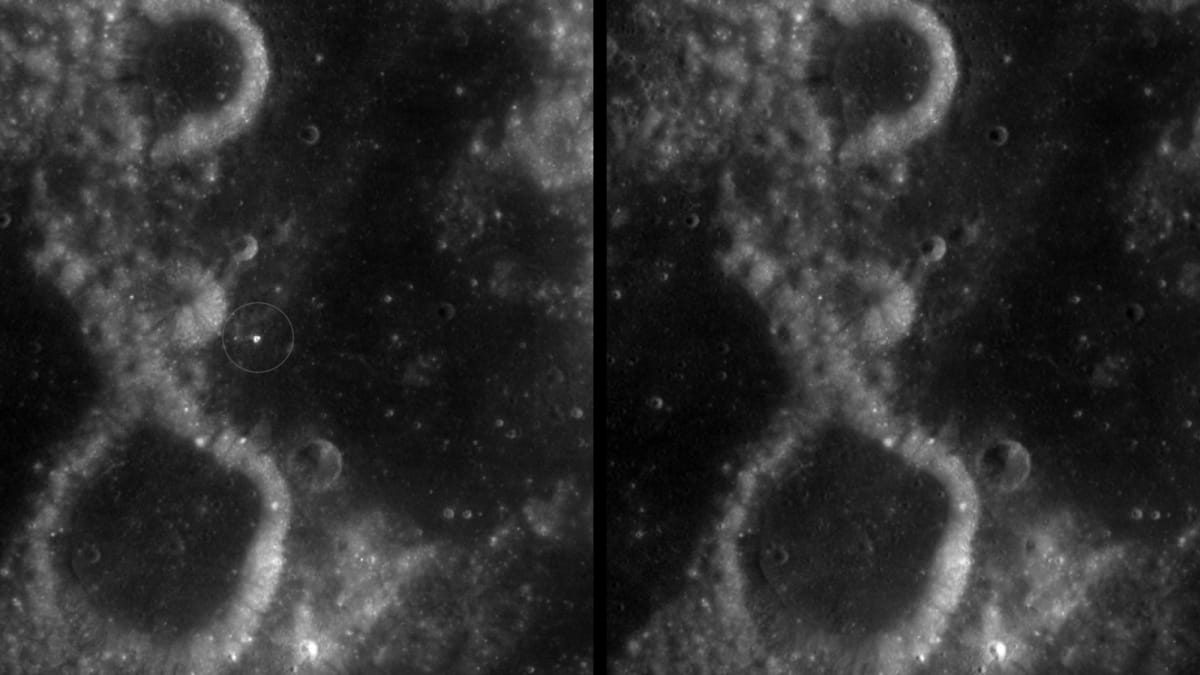
What makes this find truly exceptional is the timing. The Lunar Reconnaissance Orbiter has been photographing the moon for more than 17 years, giving scientists clear before and after pictures of the exact same spot. That almost never happens in space science.
The impact created effects far beyond the crater itself. Scientists discovered a cold spot stretching 4.3 miles wide around McGetchin that stays 14 to 16 degrees cooler than surrounding areas during the lunar night. The collision fluffed up the moon's soil, changing how it holds heat.
Two new studies published in Science Advances reveal why researchers are so excited. Unlike the moon's countless ancient craters that have been worn down over billions of years, McGetchin is pristine and untouched.
Why This Inspires
This discovery represents something rare in science: perfect timing meeting perfect preparation. NASA's 17-year commitment to continuously observing the moon meant they were watching at exactly the right moment to catch this century-scale event.
The crater sits right on the boundary between two different types of lunar terrain, offering scientists a unique chance to study how impacts affect different geological environments. Future rovers or even crewed missions could visit McGetchin to examine features too small to see from orbit.
The practical applications extend beyond pure science. As NASA and other agencies plan more ambitious moon missions, understanding how impacts alter the lunar surface helps engineers design better equipment and plan safer landings.
Scientists like Tyler Powell, lead author of one of the studies, call the team extremely lucky. But luck favors the prepared, and NASA's patient, decades-long observation program turned a random space rock into a treasure trove of scientific insights.
McGetchin crater is now a natural laboratory waiting to teach us secrets about how our solar system works, one impact at a time.
More Images

Based on reporting by Google News - Science
This story was written by BrightWire based on verified news reports.
Spread the positivity!
Share this good news with someone who needs it