NASA Finds Rare Moon Crater Bigger Than the Colosseum
A space rock carved out a massive crater on the moon two years ago, and scientists just discovered it. The 222-meter-wide impact happens only once every 132 years, offering rare insights as NASA plans future moon bases.
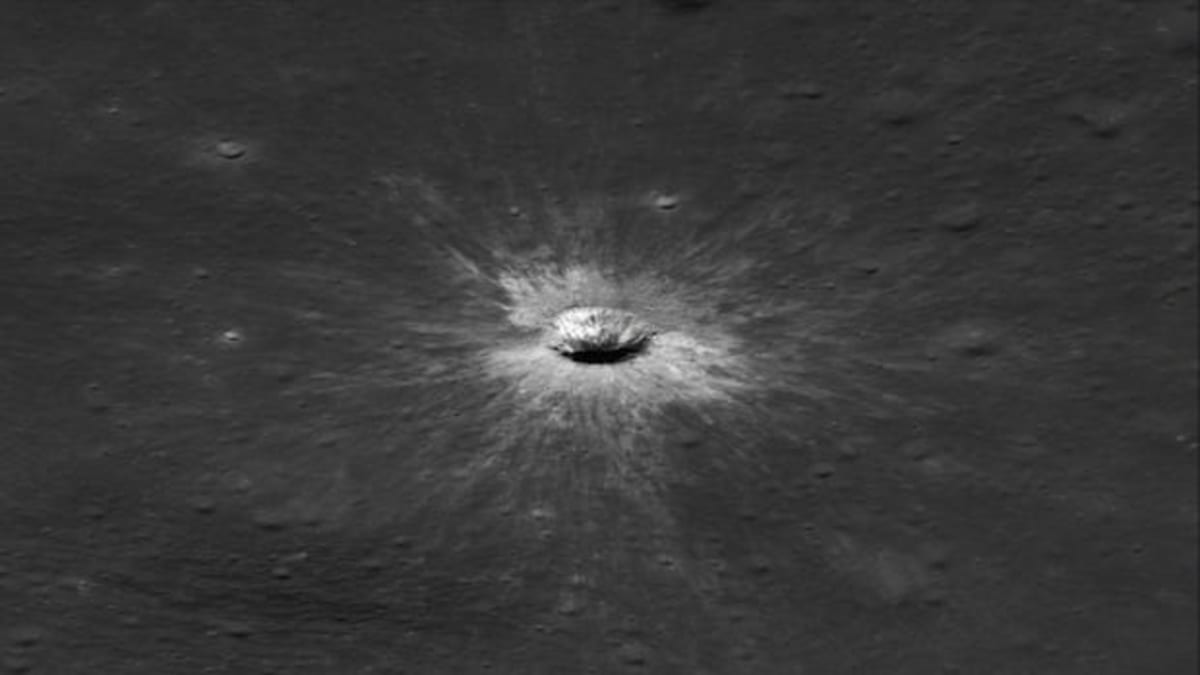
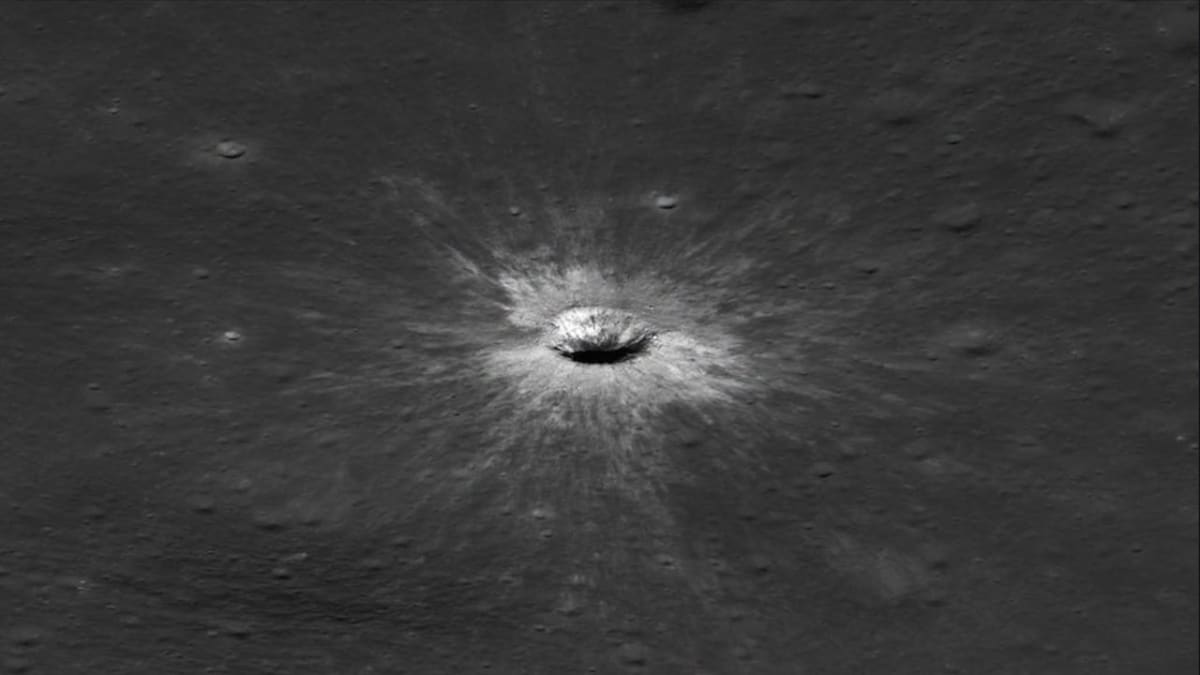
Scientists just discovered a moon crater the size of three football fields that appeared two years ago without anyone noticing at the time.
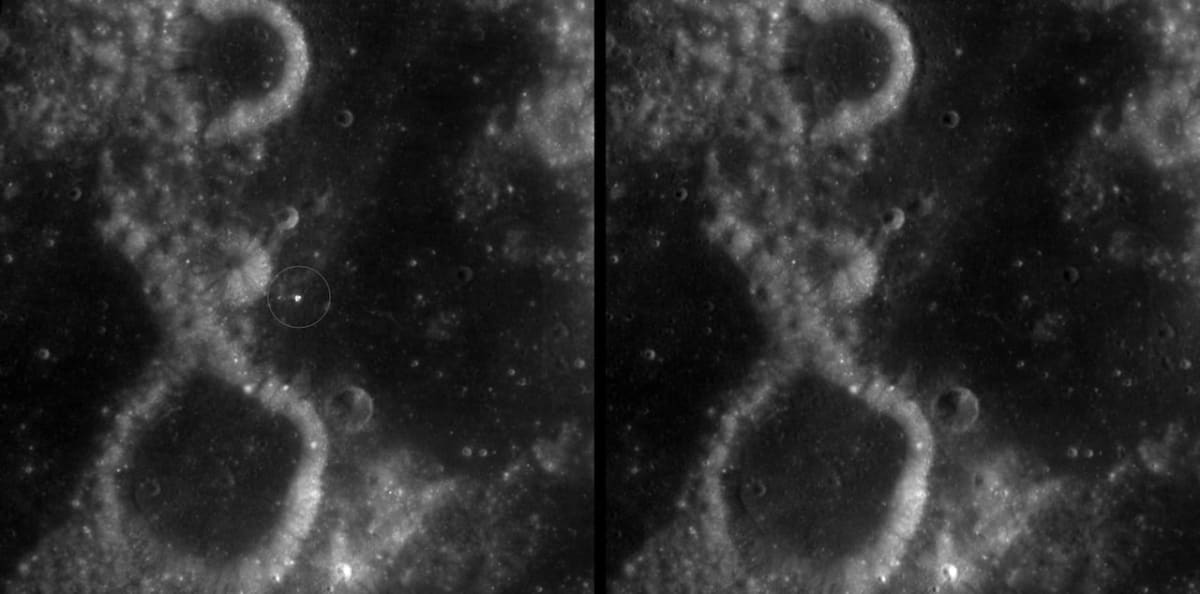
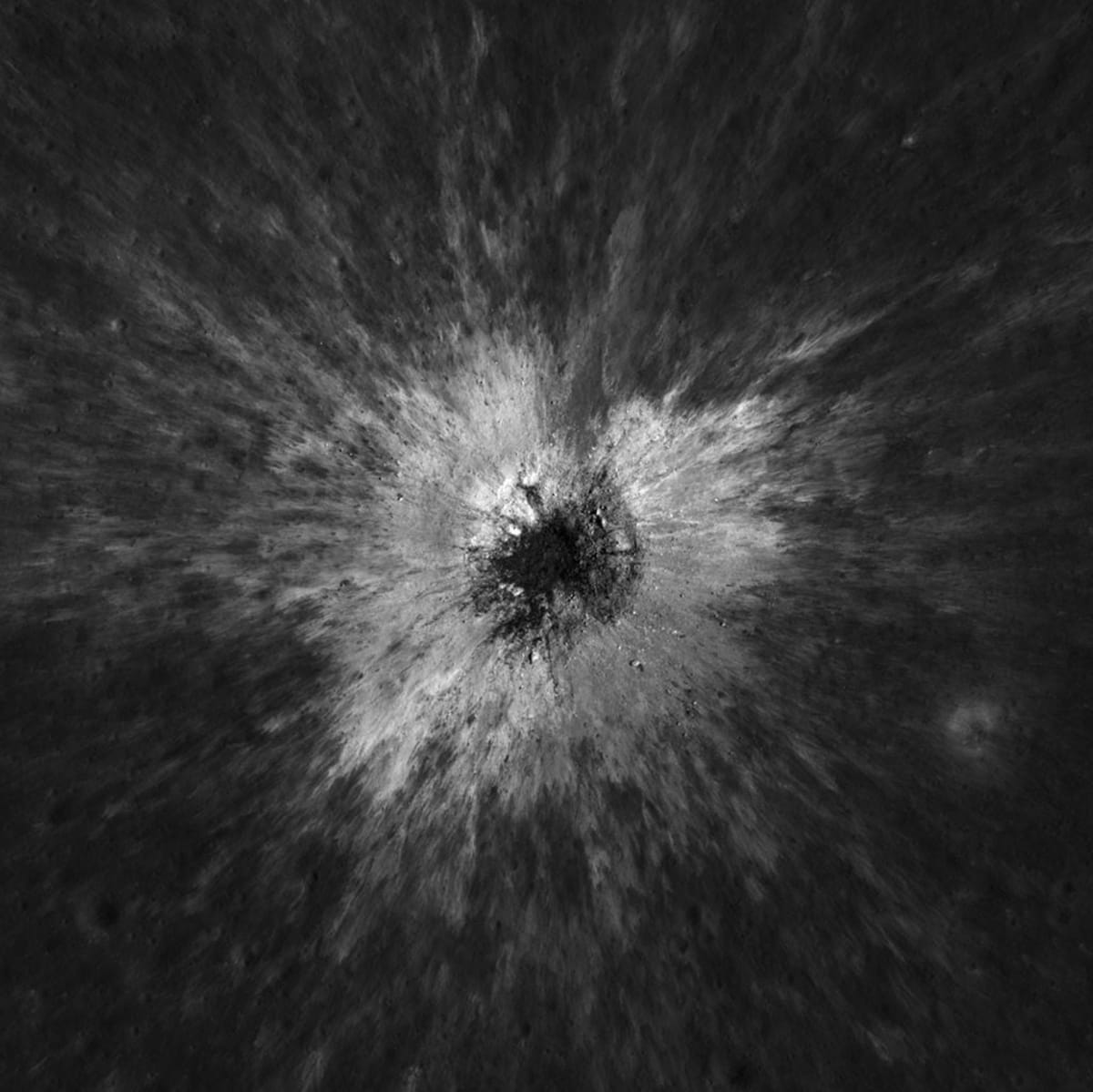
The massive hole measures 222 meters across and plunges 43 meters deep into the lunar surface. NASA's Lunar Reconnaissance Orbiter spotted it in May 2024, but the discovery sat buried in data until August 2025.
An asteroid or comet fragment slammed into the moon's near side with incredible force. The impact scattered dust and rocky soil across more than 100 kilometers of lunar landscape, creating the solar system's largest known recent crater.
Named after former Houston Lunar and Planetary Institute director Thomas McGetchin, the crater represents a once-in-a-lifetime scientific opportunity. Researchers calculate this scale of impact occurs only once every 132 years on average.
The collision created a seven-kilometer-wide cold spot around the crater where the moon's topsoil loosened from the blast. Mark Robinson, chief scientist for the orbiter's cameras at Intuitive Machines, says scientists now view impacts as natural gardening that churns lunar sediments and brings buried material to the surface.
Why This Inspires
The discovery reveals the moon's surface changes faster than previously believed. Data from multiple crater finds since 2009 shows the top two centimeters of lunar soil gets completely overturned by impact debris every 80,000 years.
That means those famous Apollo footprints won't last forever after all. They'll disappear within that timeframe, contrary to popular belief about permanent marks on the airless moon.
The research provides crucial information for NASA's planned moon base construction. Engineers can now calculate risks from flying debris during future impacts and design structures that withstand potential strikes.
David Paige of UCLA says the finding helps scientists understand how the moon's surface evolves. Each impact doesn't just create a hole but actively refreshes and mixes the regolith, the loose material covering the bedrock.
The steep-sided crater joins thousands of others pockmarking the moon, including one stretching 2,400 kilometers across from ancient times. But this fresh scar offers something older craters cannot: real-time data about impact dynamics and debris patterns.
Scientists continue analyzing detailed images the orbiter captured last fall to understand exactly how material ejected at higher angles than expected. These insights will shape safety protocols for astronauts living and working on the lunar surface in coming decades.
More Images
Based on reporting by Google: NASA discovery
This story was written by BrightWire based on verified news reports.
Spread the positivity!
Share this good news with someone who needs it